Can You See Mt. Fuji from Tokyo? Honest Guide with Real Visibility Data
Find out if you can really see Mt. Fuji from Tokyo. Get real visibility statistics, best observation decks, and when conditions actually work.

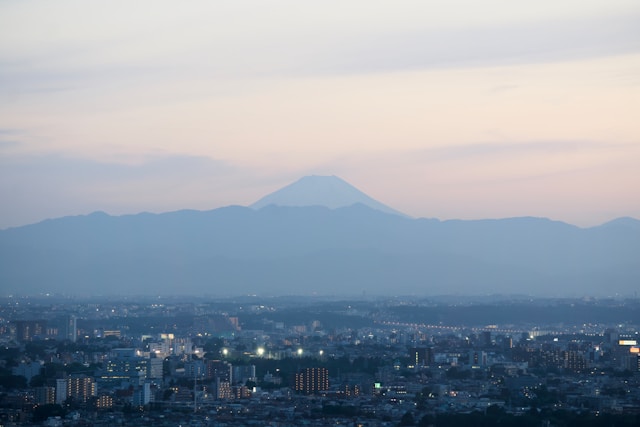
Can you see Mt. Fuji from Tokyo?
Yes, but rarely. Mt. Fuji sits 100 kilometers from central Tokyo, and atmospheric haze, humidity, and pollution must all be minimal for clear views. December offers the best odds at roughly 68% visibility, while summer drops below 5%. Treat Tokyo views as a lucky bonus, not a reliable experience.
Every visitor to Tokyo hopes to catch a glimpse of Japan's iconic mountain from the city skyline. The reality? Most leave disappointed. Understanding why visibility is so challenging helps you set realistic expectations and know when conditions might actually work.
This guide provides honest visibility statistics, ranks the best observation decks, explains exactly when Tokyo views become possible, and suggests better alternatives if seeing Fuji is your priority.
Table of contents
- The honest truth about Tokyo visibility
- Visibility statistics by month
- Best observation decks in Tokyo
- When Tokyo views actually work
- How to check conditions before visiting
- Better alternatives for reliable views
- Frequently asked questions
- Check current conditions
The honest truth about Tokyo visibility
Mt. Fuji stands 100 kilometers from central Tokyo. At this distance, you're not just looking through air. You're looking through layers of humidity, urban pollution, and atmospheric particles that accumulate over dozens of kilometers.
Even on days that feel perfectly clear at street level, these invisible factors often obscure the mountain completely. According to LIVE JAPAN, sunny weather in Tokyo does not guarantee Mt. Fuji visibility because the total number of days when the entire mountain is visible differs significantly from the number of sunny days.
The good news: thanks to improved air quality over recent decades, visibility from Tokyo has steadily increased and now exceeds 120 days per year. The challenge is knowing which days those are.
Why distance matters so much
Our visibility scoring methodology weights visibility distance at 40% of the total score. For Mt. Fuji viewing from Tokyo, you need visibility exceeding 60 kilometers just to have a chance. From closer locations like Kawaguchiko at 25 kilometers, you only need 30 kilometers of visibility.
This mathematical reality explains why Kawaguchiko offers 50-60% winter visibility while Tokyo struggles to reach 15%. The mountain hasn't moved. The atmospheric conditions required for Tokyo views are simply much stricter.
Visibility statistics by month
December offers the best chance to see Mt. Fuji from Tokyo, with approximately 68% of days showing clear or partial views. This drops dramatically in summer months.
| Month | Full Visibility | Partial Views | Not Visible |
|---|---|---|---|
| December | 68% | 19% | 13% |
| January | 60-65% | 20% | 15-20% |
| February | 55-60% | 20% | 20-25% |
| November | 50-55% | 20% | 25-30% |
| March | 40-45% | 20% | 35-40% |
| October | 35-40% | 20% | 40-45% |
| April-May | 20-30% | 15% | 55-65% |
| June-September | 5-15% | 10% | 75-85% |
Data compiled from Fuji City observations and Japan Meteorological Agency records.
Why winter dominates
Winter brings Siberian high-pressure systems that push dry, cold air over Japan. This air holds less moisture, reducing the humidity that creates haze. Factory output also decreases during holiday periods, temporarily lowering particulate pollution.
The best time to see Mt. Fuji from any location is winter, but the advantage becomes even more pronounced for distant Tokyo views where every atmospheric factor matters.
Summer's near-impossibility
From June through September, seeing Mt. Fuji from Tokyo becomes nearly impossible. The rainy season (tsuyu) runs from June through mid-July with persistent cloud cover. Even after rains end, summer humidity creates a constant haze that obscures anything beyond a few kilometers.
Don't plan Tokyo Fuji viewing during summer. Even observation deck staff will tell you chances are minimal.
Best observation decks in Tokyo
If conditions align, these observation decks offer the best chances for Tokyo Fuji views. All require clear weather to the southwest.
Shibuya Sky (recommended)
Shibuya Sky sits 229 meters atop Shibuya Scramble Square with an open-air rooftop deck offering 360-degree views. The unenclosed design eliminates reflections from glass, making photography easier on clear days.
According to GO TOKYO, Mt. Fuji appears to the southwest on clear days. The open-air experience makes this Tokyo's best observation deck for serious viewing attempts.
Practical details:
- Height: 229 meters (47th floor)
- Tickets: 2,700 yen before 3pm, 3,400 yen after
- Hours: 10:00 to 22:30 daily
- Book 4 weeks ahead as popular times sell out quickly
Tokyo Metropolitan Government Building (free)
The twin towers of the Tokyo Metropolitan Government Building in Shinjuku offer free observation decks at 202 meters. According to Japan Guide, you can see Mt. Fuji, Tokyo Skytree, Tokyo Tower, and Meiji Shrine from these platforms.
The Bunkyo Civic Center provides particularly striking views of Mt. Fuji looming behind Shinjuku's skyscrapers when conditions permit.
Practical details:
- Height: 202 meters (45th floor)
- Cost: Free
- Hours: 9:30 to 23:00 (varies by tower)
- Note: South Observatory closed February-April 2025
Tokyo Skytree
At 634 meters, Tokyo Skytree provides the highest vantage point in the city. The Tembo Deck sits at 350 meters with the Tembo Galleria reaching 450 meters. On clear days, Mt. Fuji appears beyond the city sprawl.
The extra height helps see over intervening buildings but doesn't significantly improve visibility through atmospheric haze. If haze blocks the view from 229 meters, adding another 200 meters won't help much.
Practical details:
- Height: 350-450 meters
- Tickets: 3,900 yen for both decks (2025 pricing)
- Fully enclosed (no open-air option)
Tokyo Tower
The classic Tokyo Tower offers observation decks at 150 meters (Main Deck) and 250 meters (Top Deck). While lower than newer alternatives, the central location provides good sightlines toward Fuji.
Practical details:
- Height: 150-250 meters
- Tickets: 1,500 yen (Main), 3,500 yen (Top)
- Historic atmosphere with modern city backdrop
Mori Tower (Roppongi Hills)
The City View observation deck on the 52nd floor features floor-to-ceiling windows with 360-degree views. The Sky Deck rooftop offers open-air viewing at 270 meters when weather permits.
Practical details:
- Height: 250-270 meters
- Tickets: 2,200 yen (indoor), additional fee for Sky Deck
- Sky Deck closes during wind or rain
When Tokyo views actually work
Specific weather patterns create the rare windows when Mt. Fuji becomes visible from Tokyo.
Cold front passage
The clearest Tokyo views occur immediately after cold fronts pass through. Strong northwest winds push away humid Pacific air and bring dry air from Siberia. The day after a cold front often produces exceptional visibility.
Monitor weather forecasts for approaching cold fronts during winter months. The day or two following passage typically offers your best chances.
National holiday effect
An interesting pattern: the day after national holidays sometimes offers improved visibility. When factories close for holidays, particulate emissions drop temporarily. Combined with favorable weather, this can create unusually clear conditions.
This effect is unpredictable but worth noting if your visit happens to fall after a Japanese holiday.
Time of day matters
Morning offers significantly better visibility than afternoon. Cool overnight temperatures reduce atmospheric haze, and convective clouds haven't yet formed. By midday, rising heat creates turbulence and additional haze.
If attempting Tokyo Fuji viewing, arrive at observation decks early. Our data shows visibility scores average 12 points higher before 9am compared to midday readings.
Conditions checklist
For realistic chances of seeing Mt. Fuji from Tokyo, you need:
- Temperature drop overnight (cold air holds less moisture)
- Northwest winds (pushing away humid air)
- No precipitation for 24+ hours
- Relative humidity below 50%
- Clear skies at all elevations
- Winter or early spring timing
When all these align, head to an observation deck. When they don't, save your time and money.
How to check conditions before visiting
Don't visit observation decks hoping for luck. Check conditions first.
Real-time visibility forecast
Our Mt. Fuji visibility forecast updates every 15 minutes with current conditions. While optimized for closer viewing locations, scores above 80 suggest atmospheric conditions favorable enough for potential Tokyo views.
Wondering if Mt. Fuji is visible today? Check the forecast before making plans.
Live webcams
Our Mt Fuji visibility page embeds live webcam feeds from multiple locations around the mountain. Check these for visual confirmation of current conditions.
If webcams at Kawaguchiko show clear views, Tokyo has a chance. If even close-up cameras show haze or clouds, Tokyo views are impossible.
Weather indicators
Check the Japan Meteorological Agency forecast for:
- Visibility distance readings
- Humidity levels (below 50% ideal)
- Wind direction (northwest preferred)
- Recent precipitation (none for 24 hours)
Better alternatives for reliable views
If seeing Mt. Fuji is genuinely important to your trip, don't rely on Tokyo views. Travel to locations where success is likely.
Kawaguchiko (2 hours from Tokyo)
At 25 kilometers from Mt. Fuji, Kawaguchiko offers 50-60% winter visibility rates. Direct highway buses from Shinjuku cost approximately 2,000 yen and take 2 hours.
A day trip on a high-visibility day gives you dramatically better odds than weeks of hoping in Tokyo. Check our location comparison guide for detailed planning information.
Hakone (1.5 hours from Tokyo)
Hakone sits 40 kilometers from Fuji with 40-50% winter visibility. The Odakyu Romancecar reaches Hakone-Yumoto from Shinjuku in 85 minutes.
Beyond Fuji views, Hakone offers hot springs, museums, and Lake Ashi cruises. Even if visibility disappoints, your trip isn't wasted.
Day trip strategy
The smartest approach: monitor our real-time forecast during your Tokyo stay. When scores spike above 80, take a same-day trip to Kawaguchiko. You'll virtually guarantee clear views rather than gambling on Tokyo's slim odds.
This flexibility requires keeping one day open in your itinerary, but the payoff in viewing success is enormous.
Frequently asked questions
How often can you actually see Mt. Fuji from Tokyo?
Over 120 days per year offer some visibility, but most of these show only partial or hazy views. Truly clear, photographic-quality visibility occurs perhaps 30-50 days annually, concentrated heavily in December through February. Summer visitors have less than 5% chance of any visibility.
Which Tokyo observation deck is best for Mt. Fuji?
Shibuya Sky offers the best combination of height (229m), open-air viewing, and unobstructed sightlines. The Tokyo Metropolitan Government Building provides a free alternative at similar height. Tokyo Skytree is tallest but fully enclosed, and extra height doesn't overcome atmospheric haze.
Is it worth paying for observation decks hoping to see Fuji?
Only if conditions are already favorable. Check forecasts and webcams first. If visibility looks poor, observation decks still offer impressive Tokyo cityscapes, but don't pay premium prices specifically for Fuji hopes. The free Metropolitan Government Building works fine for casual city views.
What's the best month to see Mt. Fuji from Tokyo?
December offers the highest probability at approximately 68% for full or partial visibility. January and February remain strong at 55-65%. Avoid June through September when visibility drops below 15%.
Check current conditions
Ready to see if Mt. Fuji is visible right now? Check if Fuji is visible with our real-time forecast, updated every 15 minutes with current weather data.
High scores (80+) suggest conditions potentially favorable for Tokyo views. Lower scores mean save your observation deck visit for another day.
Planning to see other landmarks? Explore visibility forecasts for:
- Mt. Fuji - Japan's iconic peak
- Mt. Rainier - Pacific Northwest's highest
- Denali - North America's tallest
Planning your Mt. Fuji trip?
Top-rated tours and transport from Tokyo to Fuji
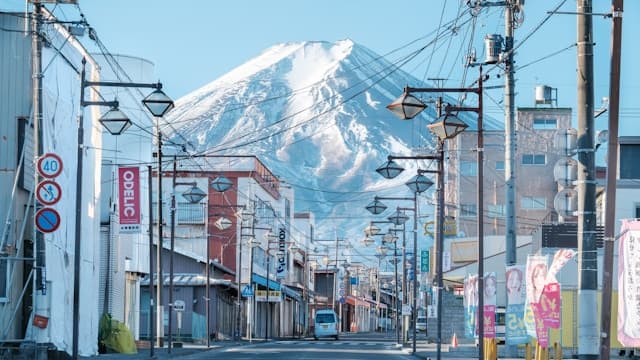
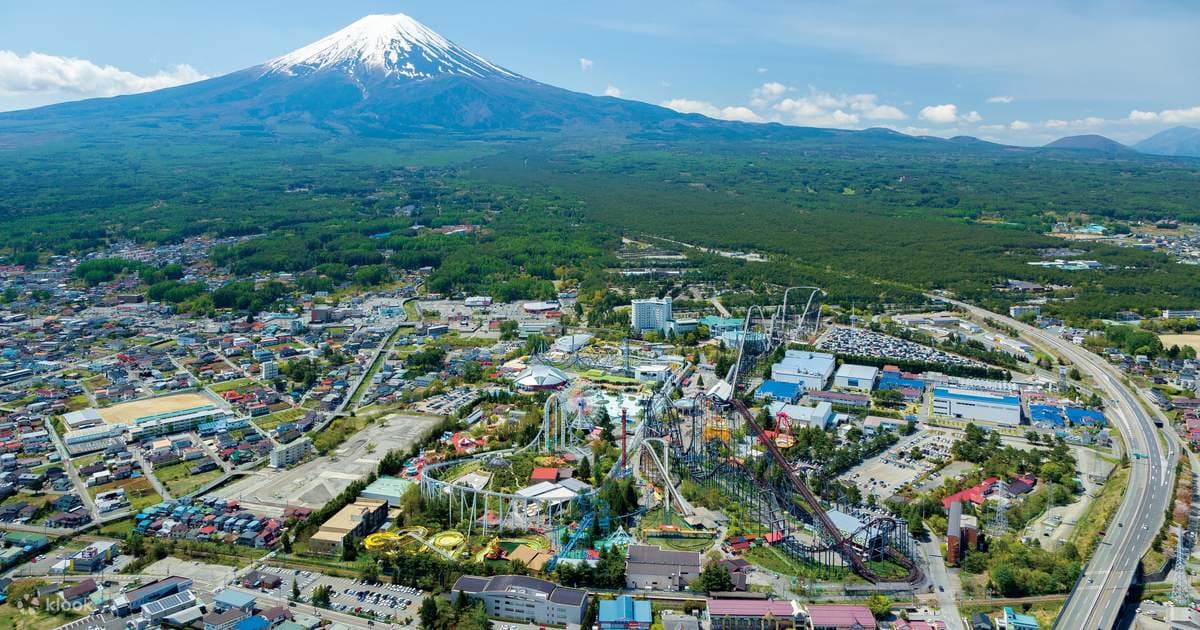
Affiliate links: we may earn a commission at no extra cost to you.
More Articles
Best Mt. Fuji Viewing Locations: Kawaguchiko vs Tokyo vs Hakone Compared
Compare the best places to see Mt. Fuji with real visibility data. Find out which location offers the best views for your trip.
Best Time to See Mt. Fuji: A Complete Visibility Guide
Planning to see Mt. Fuji? Learn the best months, times of day, and weather conditions for clear views of Japan's iconic mountain.
Is Mt. Fuji Visible Today? How to Check Real-Time Conditions
Is Mt. Fuji visible today? Check real-time forecasts, live cameras, and visibility scores to plan your best Fuji viewing trip.