
Mt. Rainier Visibility
Forecast
Is the Mountain Out Today? Real-time Seattle forecast

See Mount Rainier Up Close
Top-rated day tours from Seattle - best booked for a clear day
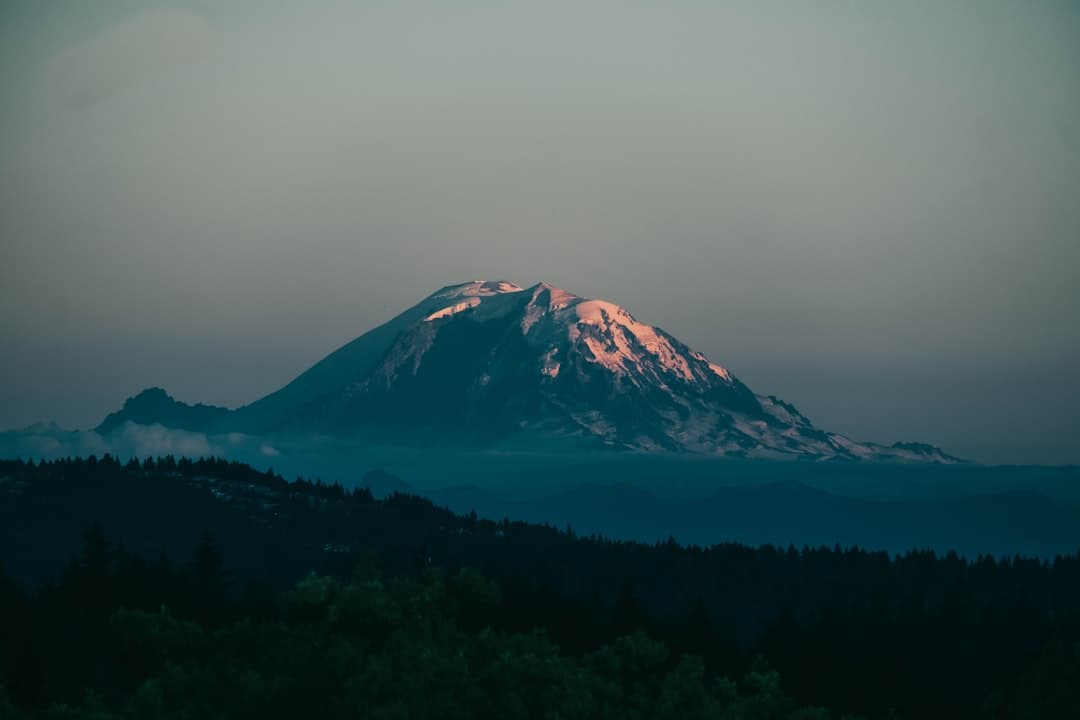
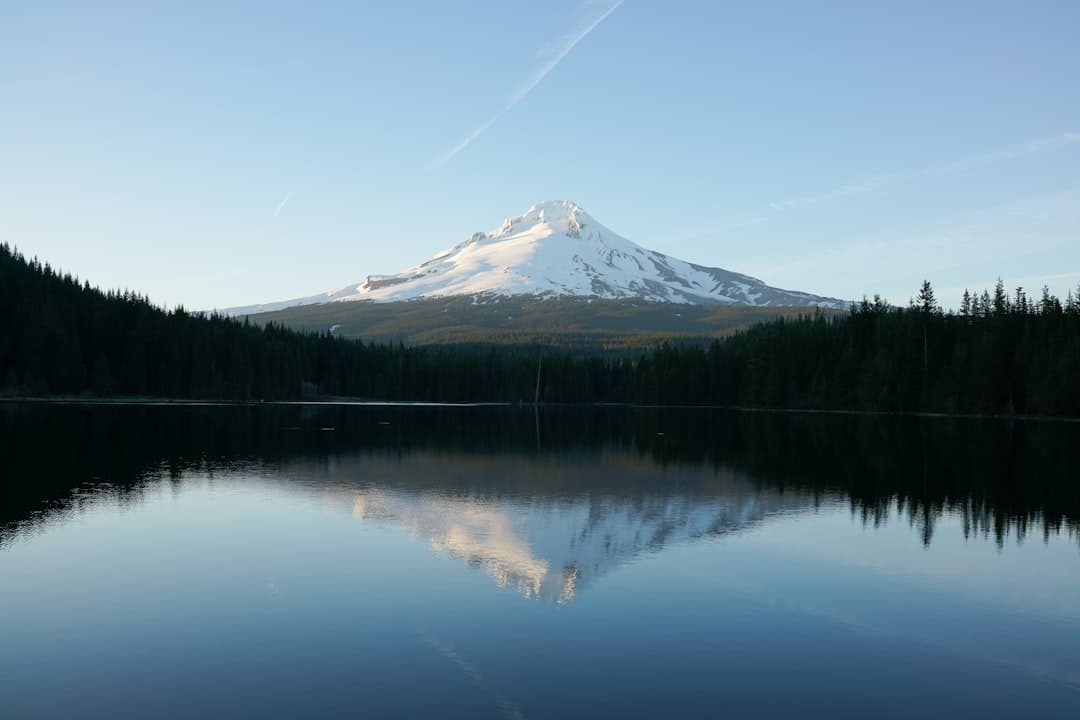
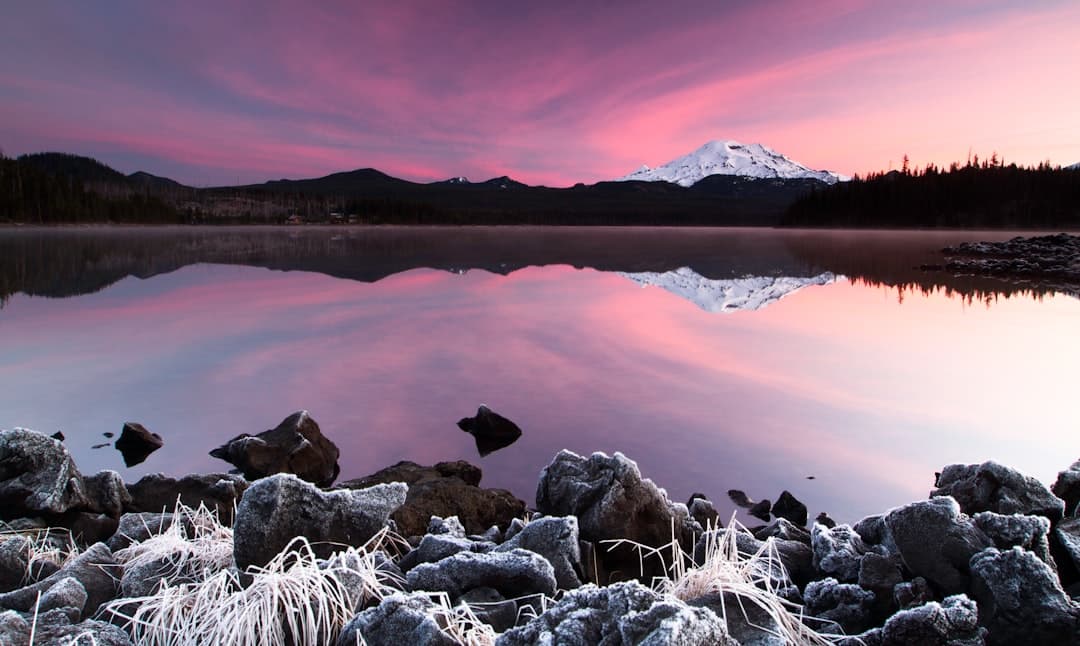
Affiliate links: we may earn a commission at no extra cost to you.
Best Viewing Times
All times shown in Pacific Time (PT, UTC-8/-7)
10-Day Mount Rainier Visibility Forecast
Daily visibility outlook and weather conditions
Driving Yourself?
No public transit reaches the park - compare rental deals for the 2-hour drive from Seattle
Affiliate links: we may earn a commission at no extra cost to you.
Mt. Rainier Visibility Guide
Wondering if Mt. Rainier is visible today? Our real-time visibility forecast answers this question with a simple 0-100 score updated every 15 minutes. Whether you're asking "is Mt. Rainier visible today" or "is the mountain out today", check the live score at the top of this page for the most accurate Mt. Rainier visibility predictions available.
Understanding Mt. Rainier Visibility
Mt. Rainier stands 14,410 feet tall, making it the highest peak in the Cascade Range and the most glaciated mountain in the contiguous United States. Located approximately 60 miles southeast of Seattle, the mountain dominates the horizon on clear days. However, the Pacific Northwest's famously cloudy weather means Mt. Rainier visibility is surprisingly rare.
Studies show Mt. Rainier is only visible from Seattle approximately 83 days per year, roughly once every 4.4 days. This works out to about 20-30% of the year. Seattle's 150 annual rainy days combined with frequent cloud cover and atmospheric haze mean most days the mountain remains hidden. When locals ask "is the mountain out?" they're acknowledging how special clear views truly are.
Several factors affect whether you can see Mt. Rainier from Seattle: cloud cover at various altitudes, precipitation, humidity levels, and atmospheric visibility distance. Even on days that feel clear in the city, haze or high-altitude clouds can completely obscure the mountain. Our visibility score accounts for all these factors.
How Our Visibility Score Works
Our Mt. Rainier visibility score ranges from 0 to 100 and updates every 15 minutes. We analyze real-time weather data including cloud cover percentage, precipitation probability, humidity levels, and atmospheric visibility distance to calculate the likelihood of seeing the mountain.
A score of 90-100 indicates excellent visibility with crystal clear views expected. Scores of 70-89 mean good conditions where the mountain should be clearly visible. Fair visibility (50-69) suggests partially visible or hazy conditions. Scores below 50 indicate poor visibility where Mt. Rainier will likely be obscured. Unlike standard weather forecasts, our scoring focuses specifically on long-distance mountain viewing conditions.
Best Time to See Mt. Rainier
Seasonality plays a major role in Mt. Rainier visibility. Summer months from June through September offer the most frequent clear days, with the Pacific Northwest's dry season bringing extended periods of high pressure and clear skies. During peak summer, the mountain may be visible 15-20 days per month.
| Season | Visibility | Notes |
|---|---|---|
| Summer (Jun-Sep) | Best | Dry season, clearest skies |
| Fall (Oct-Nov) | Good | Crisp air, occasional clear days |
| Winter (Dec-Feb) | Variable | Dramatic views after storms clear |
| Spring (Mar-May) | Fair | Improving toward summer |
Time of day also matters significantly. Early morning between 6-9 AM PT typically offers the clearest conditions as overnight cooling reduces haze and humidity. Sunset provides the most dramatic views, with the western sun illuminating Mt. Rainier's glaciers in pink and orange alpenglow. For more details, read our complete guide on when to see Mt. Rainier from Seattle.
Best Seattle Viewing Locations
Kerry Park in Queen Anne remains Seattle's most iconic Mt. Rainier viewpoint, offering the classic postcard shot with the Space Needle and city skyline in the foreground. The Space Needle observation deck provides guaranteed unobstructed views on clear days. Alki Beach in West Seattle offers waterfront perspectives across Elliott Bay.
Discovery Park on Magnolia Bluff combines natural trails with coastal mountain views. The University of Washington's Drumheller Fountain features Rainier Vista, a designed sightline directly toward the peak. Puget Sound ferries to Bainbridge Island or Bremerton provide moving viewpoints during the crossing. Learn more in our complete Seattle viewing guide.
Planning Your Visit
Check our Mt. Rainier visibility forecast the morning of your planned viewing day. Seattle weather changes quickly, so forecasts more than 24-48 hours out have limited reliability. Use our 10-day forecast to identify potentially good days, then confirm conditions the morning of your visit.
Have backup plans ready since Mt. Rainier visibility can change within hours. If one viewpoint is crowded or conditions shift, knowing alternative locations helps salvage the day. For photographers, sunset offers the best light with warm alpenglow on the glaciers. Bring layers regardless of season since waterfront viewpoints can be considerably cooler than inland areas.
Also check visibility for Mt. Fuji in Japan and Denali in Alaska.