Is Mt. Fuji
Visible?
Real-time visibility forecast updated every 15 minutes
 NOT VISIBLE
Currently nighttime - Mt. Fuji not visible in the dark
Verify with live cameras →Make your Fuji day happen
Day trips from Tokyo, or a bus for exploring on your own.
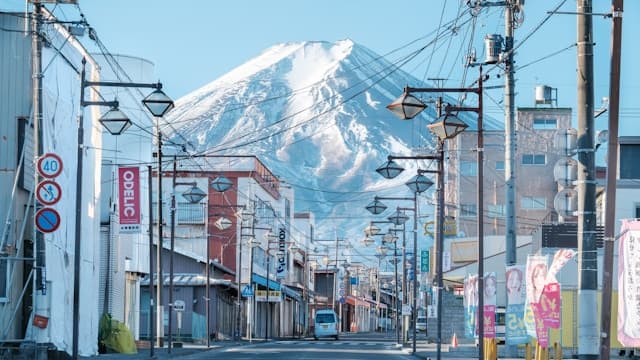
Mt. Fuji small-group tour
Tokyo · Full day
A small-group day out with up to 9 travellers and scenic Fuji stops.
- Van and driver-guide included; meals extra.
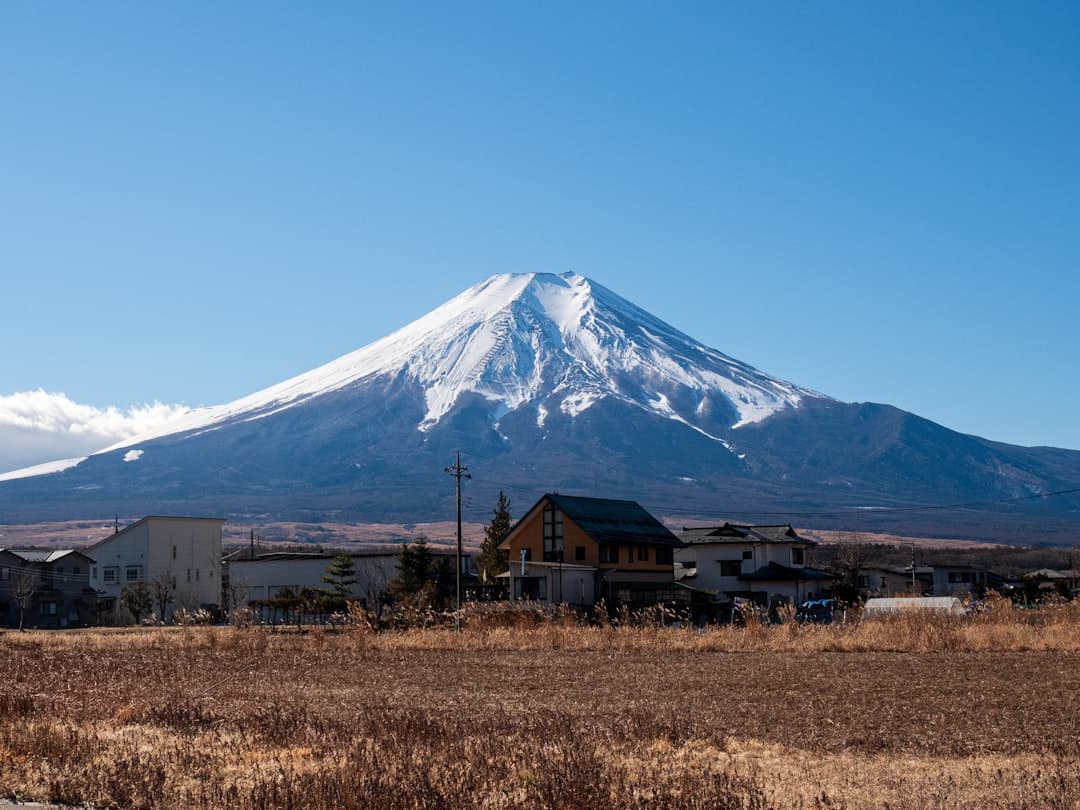
Fuji’s famous photo spots
Tokyo · About 10 hours
Arakurayama Sengen Park, Lake Yamanaka and other Fuji photo stops.
- Choose your guide language and pickup.
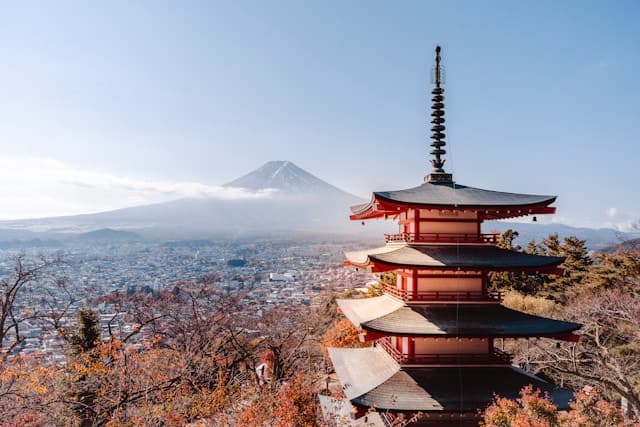
Chureito Pagoda & Kawaguchiko
Tokyo · About 12 hours
Oishi Park, Chureito Pagoda and Oshino Hakkai in one trip.
- Choose your guide language and pickup.
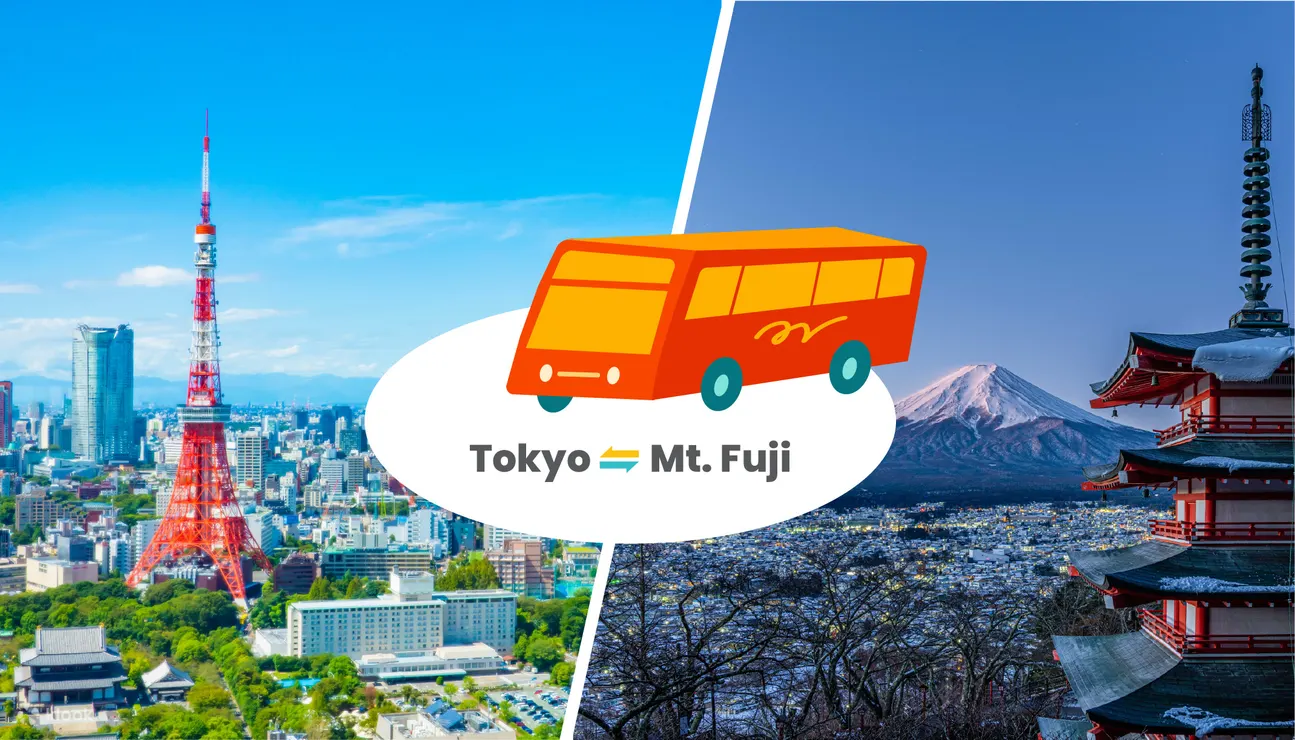
Tokyo → Kawaguchiko bus
Reserved seat · Independent travel
Direct transport so you can explore the lake at your own pace.
- Reserve your return journey too.
Affiliate links: we may earn a commission at no extra cost to you. Check package terms on Klook. Fuji views depend on weather.
Best Viewing Times
All times shown in Japan Standard Time (JST, UTC+9)
10-Day Mt. Fuji Visibility Forecast
Daily visibility outlook and weather conditions
Mt. Fuji Viewing Locations Map
Find the best spots to see Mt. Fuji from Tokyo, Kawaguchiko, and surrounding areas
Passes for your Fuji trip
Multi-day passes that pay for themselves on a single day-trip
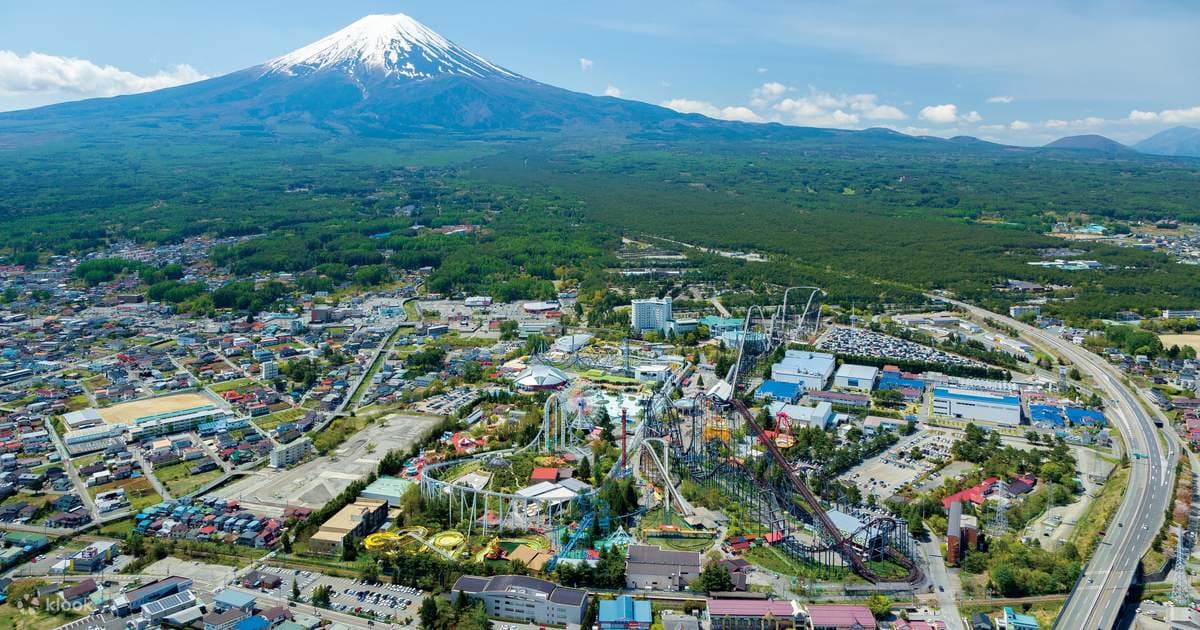
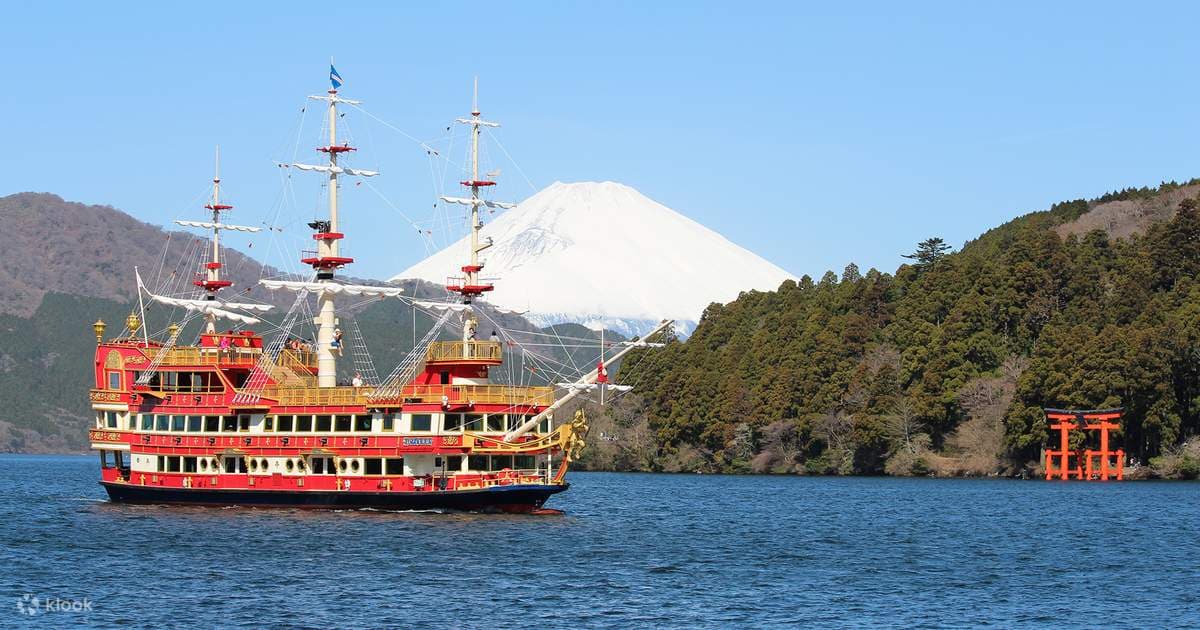

Affiliate links: we may earn a commission at no extra cost to you.
Live Mt. Fuji Camera Feeds
Watch Mt. Fuji in real-time from multiple locations with live webcams
Scroll to load camera...
Lake Kawaguchiko
Classic lakefront Fuji view
Wake up closer to Mt. Fuji
Compare prices for your dates on Trip.com, or explore the stays below.
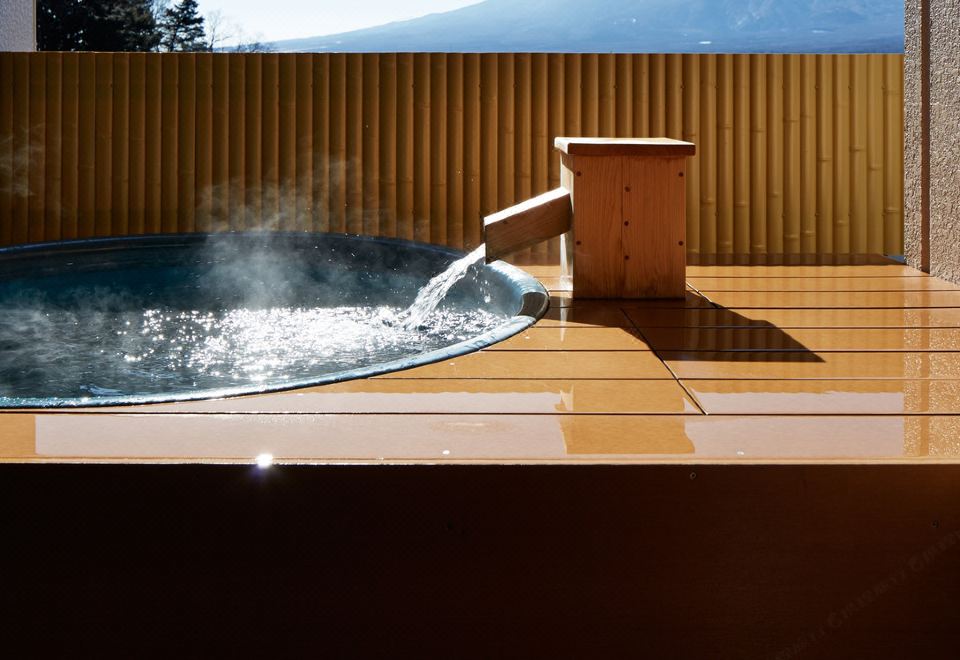
Konansou
Kawaguchiko · Onsen ryokan
Choose a Fuji-facing or lake-facing room near the station.
- Baths are for overnight guests.
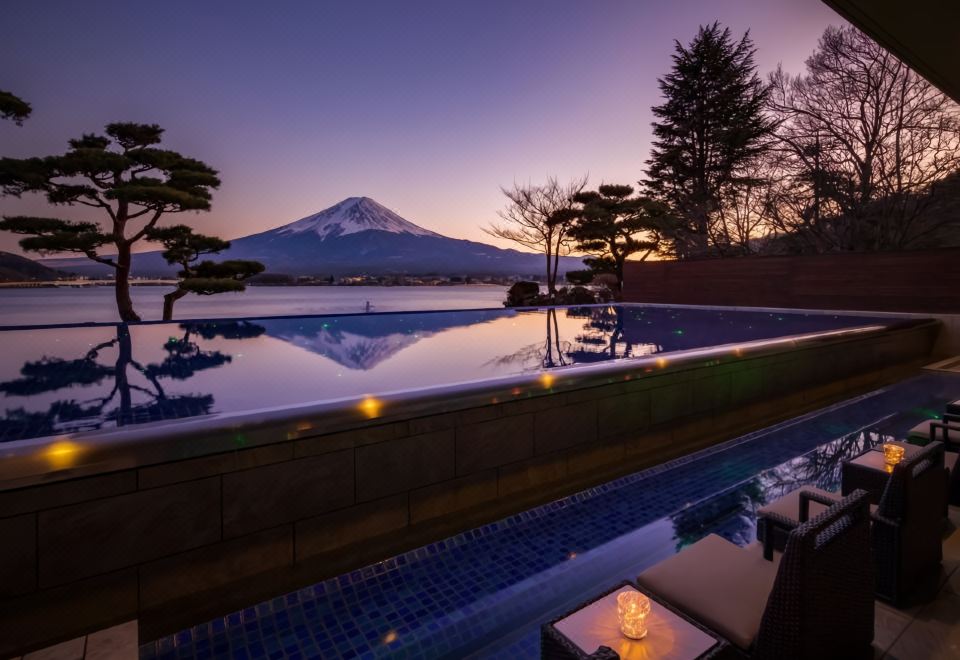
Shuhokaku Kogetsu
Kawaguchiko · Lakeside ryokan
Fuji and lake views from every room on the north shore.
- Private open-air baths in selected rooms.
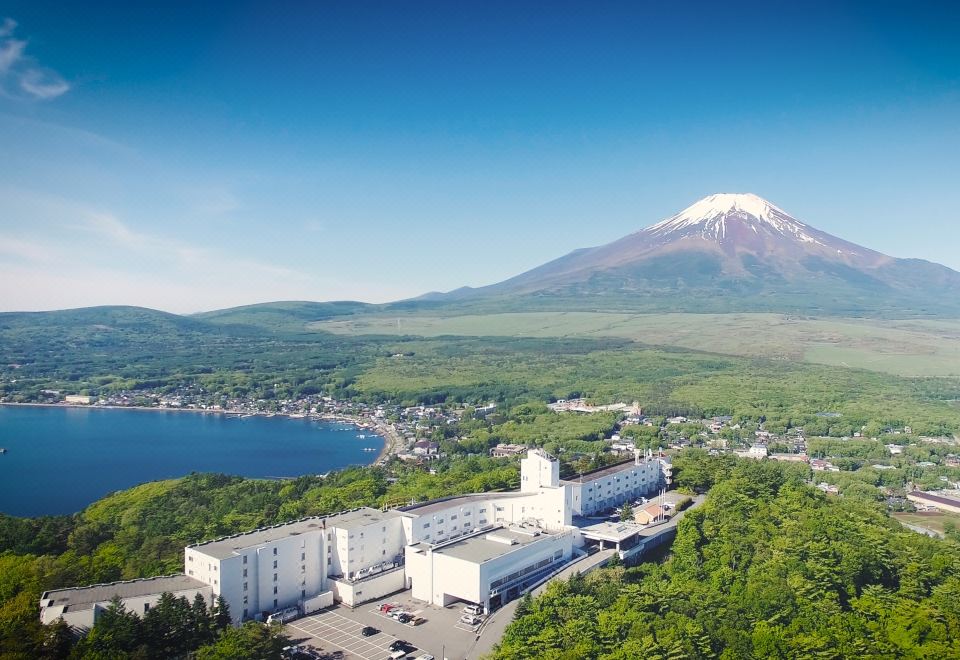
Hotel Mt. Fuji
Lake Yamanaka · Hilltop resort
Hot springs and lake views from a hilltop above Yamanaka.
- Choose your room view; entrance-stop shuttle.
Affiliate links: we may earn a commission at no extra cost to you. Property photos: Trip.com. Room views, rates and cancellation terms vary by booking. Clear Fuji views depend on the weather.
Official property details: Konansou · Kogetsu · Hotel Mt. Fuji
Understanding the Visibility Scale
Frequently Asked Questions
Everything you need to know about viewing Mt. Fuji
Mt. Fuji Visibility Forecast Guide
Wondering if Mt. Fuji is visible today? Our real-time Mt. Fuji visibility forecast answers this question with a simple 0-100 score updated every 15 minutes. Whether you're asking "is Mt. Fuji visible today from Tokyo" or planning a trip to Lake Kawaguchiko, check the live score at the top of this page and verify with our 12+ live camera feeds.
Understanding Mt. Fuji Visibility
Mt. Fuji stands 3,776 meters (12,389 feet) tall, making it Japan's highest peak and one of the world's most recognizable mountains. Located approximately 100 kilometers southwest of Tokyo, the mountain is visible from the capital on clear days. However, Japan's humid climate and frequent cloud cover mean Mt. Fuji visibility is surprisingly rare.
Mt. Fuji is only visible approximately 20-30% of the year. Tokyo's urban haze, combined with Japan's humid climate and seasonal weather patterns, means most days the mountain remains hidden from view. The rainy season from June through mid-July brings particularly poor visibility, while winter offers the clearest conditions.
Several factors determine whether you can see Mt. Fuji: cloud cover at various altitudes, precipitation, humidity levels, and atmospheric visibility distance. Even on days that feel clear in Tokyo, haze or high-altitude clouds can completely obscure the mountain. Our visibility forecast accounts for all these factors.
How Our Visibility Score Works
Mt. Fuji visibility score ranges from 0 to 100 and updates every 15 minutes. We analyze real-time weather data including cloud cover percentage, precipitation probability, humidity levels, and atmospheric visibility distance to calculate the likelihood of seeing the mountain.
A score of 90-100 indicates excellent visibility with crystal clear views expected. Scores of 70-89 mean good conditions where Mt. Fuji should be clearly visible. Fair visibility (50-69) suggests partially visible or hazy conditions. Scores below 50 indicate poor visibility where the mountain will likely be obscured. Unlike standard weather forecasts, our scoring focuses specifically on long-distance mountain viewing conditions.
How to Predict Mt. Fuji Visibility
Our Mt. Fuji visibility index combines multiple weather factors into a single 0-100 score. The key conditions for seeing Mt. Fuji clearly are: cloud cover below 50% (especially at mid and high altitudes), relative humidity under 60%, atmospheric visibility distance above 30 km, and no active precipitation. When all four conditions are met, the mountain is almost always visible.
Wind direction also plays a role — northwesterly winds in winter push dry continental air over Japan, creating the clearest viewing conditions. Conversely, southerly winds bring warm, moisture-laden air from the Pacific that produces haze and cloud cover. For a detailed breakdown of how we calculate each factor, visit our visibility scoring methodology.
Best Time to See Mt. Fuji
Seasonality plays a crucial role in Mt. Fuji visibility. Winter months from November through February offer the highest probability of clear views, with cold, dry air providing excellent atmospheric clarity. The rainy season (tsuyu) from June through mid-July brings the worst conditions with near-constant cloud cover.
| Season | Visibility | Notes |
|---|---|---|
| Winter (Nov-Feb) | Best | Cold, dry air, snow-capped peak |
| Spring (Mar-May) | Good | Cherry blossom season views |
| Summer (Aug-Sep) | Fair | Climbing season, humid air |
| Rainy (Jun-Jul) | Poor | Tsuyu season, frequent clouds |
Time of day matters significantly. Early morning between 6-9 AM JST typically offers the clearest conditions as overnight cooling reduces haze. Sunset can provide dramatic lighting but afternoon haze often builds. For detailed planning, read our complete guide on the best time to see Mt. Fuji.
Mt. Fuji Visibility by Month
While seasonal patterns provide a broad overview, month-by-month visibility data helps you plan the perfect trip. The percentages below reflect the approximate share of days each month when Mt. Fuji is clearly visible from popular viewing areas like Kawaguchiko and Tokyo.
| Month | Visibility Rate | Rating | Tip |
|---|---|---|---|
| January | 60-65% | Excellent | Peak clarity — crisp winter air and snow-capped views |
| February | 55-60% | Excellent | Still prime season with frequent blue-sky days |
| March | 40-45% | Good | Transition month; early cherry blossoms possible |
| April | 35-40% | Good | Cherry blossom + Fuji combos at Chureito Pagoda |
| May | 30-35% | Fair | Warming air adds haze; mornings still clear |
| June | 15-20% | Poor | Rainy season (tsuyu) begins — heavy cloud cover |
| July | 15-20% | Poor | Tail end of tsuyu; climbing season opens mid-month |
| August | 20-25% | Fair | Hot and humid; early mornings offer best chance |
| September | 25-30% | Fair | Typhoon season can bring brief clear spells |
| October | 35-40% | Good | Autumn foliage starts; visibility improves |
| November | 50-55% | Excellent | First snowfall on the summit; dry autumn air |
| December | 60-65% | Excellent | Best month overall — cold, dry, and snow-covered |
These percentages are based on historical weather data and long-term observation records. Actual visibility varies year to year, so always check our real-time visibility score before heading out.
Where Can You See Mt. Fuji?
Mt. Fuji is visible from a surprising number of locations across the Kanto and Chubu regions. Distance, elevation, and local weather conditions all affect your chances. The table below compares popular viewing spots by distance and typical success rates on clear-weather days.
| Location | Distance | Best Season | Clear-Day Success |
|---|---|---|---|
| Lake Kawaguchiko | ~30 km | Nov–Feb | 70-80% |
| Hakone (Lake Ashi) | ~45 km | Nov–Feb | 60-70% |
| Shizuoka City | ~60 km | Dec–Feb | 55-65% |
| Yokohama | ~80 km | Dec–Feb | 40-50% |
| Tokyo (Skytree/Tower) | ~100 km | Dec–Feb | 30-40% |
| Chiba (Boso Peninsula) | ~120 km | Jan–Feb | 20-30% |
Closer locations like Kawaguchiko enjoy higher success rates because shorter sightlines are less affected by haze. From Tokyo, the mountain is best viewed in the early morning before urban heat and humidity build up. Explore our interactive viewing locations map above, or read our detailed guide on seeing Mt. Fuji from Tokyo.
Best Viewing Locations
Lake Kawaguchiko in the Fuji Five Lakes region offers the most iconic views, with the mountain reflected in calm morning waters. Tokyo Skytree's observation deck provides excellent views on clear days from 100km away. Hakone combines hot springs with mountain vistas, while Yokohama's waterfront offers unexpected urban views.
From Tokyo, several spots provide Mt. Fuji views on clear days. Tokyo Tower, various rooftop bars, and even the Shinkansen bullet train offer glimpses of the peak. For the best experience, consider a day trip to Kawaguchiko or Hakone where views are closer and clearer. Explore our complete guide to Mt. Fuji viewing locations and learn where to see Mt. Fuji from Tokyo.
Planning Your Visit
Check our Mt. Fuji visibility forecast the morning of your planned trip. Japanese weather can change quickly, especially in mountainous areas. Use our 10-day forecast to identify promising days, then confirm conditions the morning of your visit before traveling.
Have backup plans ready since visibility can change within hours. If Mt. Fuji is not visible from one location, nearby attractions like Kawaguchiko's hot springs or Hakone's museums can salvage the day. For photographers, our Mt. Fuji photography guide covers the best techniques and locations.
Related Mt. Fuji Guides
Also check visibility for Mt. Rainier in Seattle and Denali in Alaska.