Is the Mountain Out? Seattle Mt. Rainier Visibility Guide
Is the mountain out today? Check Mt. Rainier visibility from Seattle with our complete guide to viewing spots, best times, and real-time forecasts.

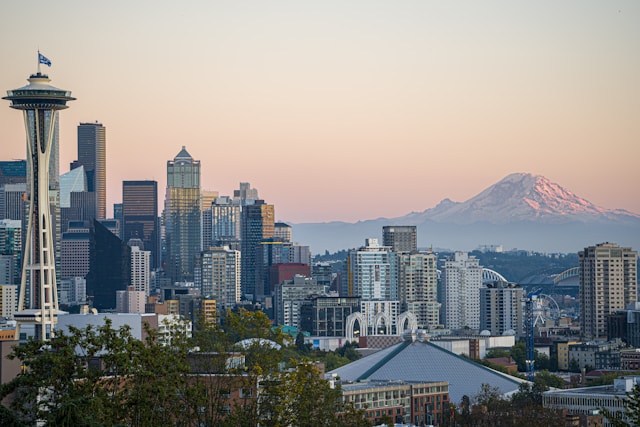
Is the Mountain Out Today?
"Is the mountain out?" is how Seattle locals ask if Mt. Rainier is visible. The mountain is only visible about 83 days per year due to cloud cover, making clear views a celebrated event. Check our real-time Mt. Rainier visibility forecast to see if the mountain is out right now.
Table of Contents
- Why "Is the Mountain Out?" Matters
- Mt. Rainier Visibility Statistics
- Best Places to See Mt. Rainier from Seattle
- Best Time to See Mt. Rainier
- How to Check If Mt. Rainier Is Visible
- Frequently Asked Questions
- Planning Your Visit
Why "Is the Mountain Out?" Matters
In Seattle, asking "is the mountain out?" is more than a weather question. It reflects a deep cultural connection between the city and Mt. Rainier, the 14,410-foot volcanic peak that dominates the southeastern horizon on clear days.
Mt. Rainier sits approximately 60 miles southeast of downtown Seattle. Despite this relatively short distance, the Pacific Northwest's famously cloudy weather means the mountain spends most days hidden behind clouds, fog, or rain. Seattle experiences around 150 rainy days annually, making clear views of the mountain genuinely special.
When the mountain emerges from the clouds, locals celebrate. Office workers gather at windows, photographers rush to viewpoints, and social media fills with photos. Understanding Mt. Rainier visibility patterns helps residents and visitors alike plan for these memorable moments.
Mt. Rainier Visibility Statistics
According to a GeekWire analysis of weather data, Mt. Rainier is visible from Seattle approximately 83 days per year. That works out to roughly once every 4.4 days, or about 20-30% of the time.
| Season | Visibility | Notes |
|---|---|---|
| Summer (Jun-Sep) | Best | Dry season with clearest skies |
| Fall (Oct-Nov) | Good | Crisp air, occasional clear days |
| Winter (Dec-Feb) | Poor | Frequent rain and cloud cover |
| Spring (Mar-May) | Variable | Improving conditions toward June |
The summer months offer the most reliable viewing opportunities. June through September brings the Pacific Northwest's famous dry season, when high pressure systems keep skies clear for days at a time. During peak summer, you might see the mountain visible for 15-20 days per month.
Winter presents the biggest challenge. From November through March, Seattle's rainy season means weeks can pass without a clear view. However, winter also produces some of the most dramatic views when cold fronts clear the air and fresh snow blankets the peak.
Best Places to See Mt. Rainier from Seattle
Finding the right viewpoint makes all the difference when the mountain is out. Here are the seven best locations for Mt. Rainier visibility from Seattle, similar to our guide on the best Mt. Fuji viewing locations in Japan.
Kerry Park
Kerry Park in Queen Anne is Seattle's most iconic Mt. Rainier viewpoint. Located at 211 W Highland Drive, this small hillside park offers an unobstructed view of the Seattle skyline with Mt. Rainier rising behind it. Every Seattle postcard featuring the Space Needle and mountain was likely shot here.
Visit during sunset for the best photographs. The evening light illuminates the mountain's glaciers with a pink alpenglow that photographers prize. Kerry Park gets crowded on clear days, so arrive early to secure a good spot.
Space Needle Observation Deck
The Space Needle provides 360-degree views from 520 feet above the city. Tickets cost $30-40, but the guaranteed clear sightlines on days when the mountain is out make it worthwhile. The rotating glass floor adds a unique perspective you cannot get elsewhere.
The indoor observation deck means weather conditions do not affect your visit. Even on windy days, you can comfortably photograph Mt. Rainier through the floor-to-ceiling windows.
Alki Beach
Alki Beach in West Seattle offers a waterfront perspective with the mountain rising above the downtown skyline across Elliott Bay. The beach stretches for 2.5 miles, giving you plenty of space to find your perfect composition.
Early morning visits to Alki Beach often reward photographers with calm water reflections. The eastern exposure means morning light hits the mountain directly, highlighting every glacier and ridge. For photography tips, see our Mt. Fuji photography guide which covers similar techniques.
Discovery Park
Discovery Park covers 534 acres on Magnolia Bluff and provides Seattle's most natural setting for mountain viewing. The West Point Lighthouse area offers sea-level views across Puget Sound toward the mountain.
The park's trails wind through forests and meadows before emerging at coastal viewpoints. This makes Discovery Park ideal for combining a hike with mountain watching. Check our visibility methodology to understand the best conditions for clear views.
Seward Park
Seward Park occupies a peninsula jutting into Lake Washington, providing a unique perspective with water in the foreground. The mountain rises above the Cascade foothills from this southeastern viewpoint.
The old-growth forest in Seward Park creates interesting framing opportunities for photographers. Sunrise shots from the park's eastern shores can capture the mountain bathed in golden light.
UW Drumheller Fountain (Rainier Vista)
The University of Washington campus features Rainier Vista, a carefully designed sightline from the Drumheller Fountain directly toward Mt. Rainier. On clear days, the mountain appears perfectly centered above the fountain's spray.
This viewpoint demonstrates how deeply Mt. Rainier influenced Seattle's urban planning. The university specifically oriented this campus axis to frame the mountain, making it a must-visit spot when asking "is the mountain out?"
Puget Sound Ferries
Washington State Ferries offer moving viewpoints across Puget Sound. The Bainbridge Island or Bremerton routes provide extended viewing opportunities as you cross the water.
Ferry rides work well when the mountain is out because you can watch from multiple angles during the 35-60 minute crossings. The outdoor decks allow unobstructed photography without window reflections.
Best Time to See Mt. Rainier
Beyond seasonal patterns, the time of day significantly affects Mt. Rainier visibility and viewing quality.
Time of Day
| Time | Visibility Quality | Best For |
|---|---|---|
| Sunrise (6-8 AM) | Excellent | Sharp light, less haze |
| Morning (8-11 AM) | Very Good | Clear conditions |
| Midday (11 AM-3 PM) | Good | Haze may build |
| Afternoon (3-5 PM) | Good | Improving light |
| Sunset (5-8 PM) | Excellent | Alpenglow, dramatic colors |
Early morning typically offers the clearest atmospheric conditions. Overnight cooling reduces haze and humidity, making the mountain appear crisp and detailed. If you want to photograph the mountain, sunrise provides the sharpest light.
Sunset remains the most popular viewing time for good reason. As the sun drops in the west, it illuminates Mt. Rainier's eastern face with warm light. The glaciers glow pink and orange during alpenglow, creating the most photogenic conditions of the day.
Midday viewing works fine for simply enjoying the view, but photographers often avoid this time. The overhead sun creates flat lighting and afternoon haze can reduce clarity.
Weather Conditions
The best Mt. Rainier visibility occurs after weather systems pass through. Cold fronts sweep away clouds and leave behind crisp, clear air. The day or two following rain often provides the year's best viewing conditions.
High pressure systems bring extended clear periods but can also trap haze near the surface. After several sunny days, atmospheric visibility may actually decrease even though skies remain clear.
For similar visibility patterns at other mountains, see our guide on the best time to see Mt. Fuji, which follows comparable seasonal and daily cycles.
How to Check If Mt. Rainier Is Visible
Several methods help you determine whether Mt. Rainier is visible before traveling to a viewpoint.
Real-Time Visibility Score
Our Mt. Rainier visibility forecast provides a real-time visibility score from 0-100. The score updates every 15 minutes based on current weather data including cloud cover, precipitation, humidity, and atmospheric visibility.
| Score | Rating | What to Expect |
|---|---|---|
| 90-100 | Excellent | Crystal clear views |
| 70-89 | Good | Mountain clearly visible |
| 50-69 | Fair | Partially visible or hazy |
| Below 50 | Poor | Likely obscured |
The forecast also shows hourly predictions so you can identify the best viewing windows throughout the day. Planning around peak visibility hours increases your chances of seeing the mountain clearly.
Webcams
Live webcams provide direct confirmation of current conditions. The National Park Service operates several webcams showing Mt. Rainier from different angles. These help verify whether the mountain is actually visible before you make the trip to a viewpoint.
Weather Forecasts
Standard weather forecasts from the National Weather Service help predict visibility. Look for forecasts mentioning clear skies, low humidity, and good visibility. Days with these conditions typically offer the best mountain views.
Frequently Asked Questions
Is the mountain out today?
Check our real-time Mt. Rainier visibility forecast for current conditions. We update visibility scores every 15 minutes based on weather data from multiple sources around Seattle and the mountain. For a similar real-time check in Japan, see is Mt. Fuji visible today.
How often is Mt. Rainier visible from Seattle?
Mt. Rainier is visible approximately 83 days per year, or about once every 4.4 days. Summer months (June-September) offer the most frequent clear views, sometimes 15-20 days per month. Winter months may see only 3-5 clear days.
What does "the mountain is out" mean?
"The mountain is out" is a Seattle expression meaning Mt. Rainier is visible. Due to frequent cloud cover, clear views are special enough to warrant their own phrase. When someone says "the mountain is out," they mean conditions are clear enough to see Rainier's snow-capped peak.
Where is the best view of Mt. Rainier in Seattle?
Kerry Park in Queen Anne offers the most iconic view, combining the Seattle skyline with Mt. Rainier in the background. For a more natural setting, Discovery Park provides coastal views. See our full list of viewing locations for more options.
Planning Your Visit
When planning to see Mt. Rainier from Seattle, flexibility helps. The mountain operates on its own schedule, and even the best forecasts cannot guarantee clear views days in advance.
Check the Mt. Rainier visibility forecast the morning of your planned viewing day. If conditions look promising, head to your chosen viewpoint early. Popular spots like Kerry Park fill quickly on clear days, especially during sunset hours.
Bring layers regardless of season. Seattle weather changes quickly, and viewpoints near the water can be considerably cooler than inland areas. A jacket and camera with a telephoto lens will serve you well.
Have backup plans ready. If one viewpoint proves too crowded or conditions change, knowing alternative locations helps salvage the day. The seven viewpoints listed above offer enough variety that at least one should work for your schedule and preferences.
For visitors interested in mountain visibility beyond the Pacific Northwest, explore our guides to Mt. Fuji visibility from Tokyo and Denali visibility in Alaska.
In Summary
"Is the mountain out?" remains one of Seattle's most important questions. With Mt. Rainier visible only 83 days per year, catching a clear view requires timing, location knowledge, and a bit of luck.
The best strategy combines checking our real-time visibility forecast with knowing the top viewpoints. Kerry Park delivers the classic postcard shot, while Discovery Park offers a more serene natural setting. Summer months provide the most reliable viewing, and sunset hours produce the most dramatic light.
Whether you are a longtime Seattle resident or a first-time visitor, seeing Mt. Rainier emerge from the clouds creates a memorable experience. The mountain's 14,410-foot peak, covered in more glaciers than any other mountain in the lower 48 states, dominates the horizon in a way that photographs cannot fully capture.
Check Current Visibility
Ready to see if the mountain is out right now?
Check Mt. Rainier Visibility - Real-time visibility score updated every 15 minutes.
Also explore visibility for Mt. Fuji in Japan and Denali in Alaska.
More Articles
Paradise Mt Rainier: The Complete Visitor Guide for Every Season
Plan your trip to Paradise at Mt Rainier with trail details, parking tips, wildflower timing, and visibility forecasts.
How Far Is Mt. Rainier from Seattle? Distance, Drive Times, and Routes
Mt. Rainier is 59 miles from Seattle. Get drive times, routes to every entrance, and total trip costs.
Mount Rainier National Park Guide: Seasons, Areas and Odds
Mount Rainier National Park guide: fall 2026 closures, fees, the five park areas, and 10 years of cloud data on when you will actually see the mountain.