Live data from our visibility monitoring, updated hourly
Percentage of readings in each visibility category, from our monitoring data
Average visibility score by hour of day. Clouds typically build around the summit by late morning.
All times in Japan Standard Time (JST, UTC+9)
What to expect each season
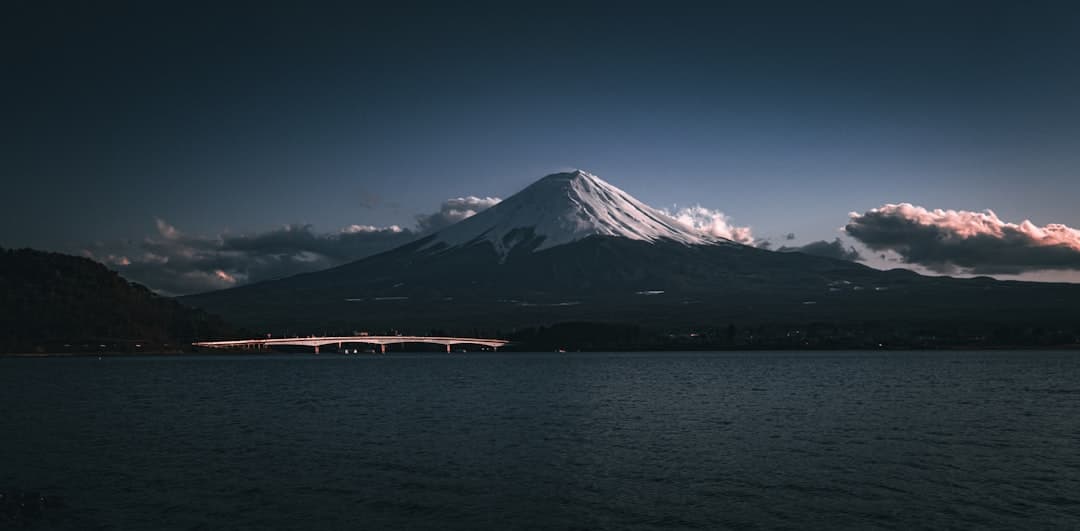
Best visibility. Cold, dry Siberian air clears the atmosphere. Full snow cap. Diamond Fuji at Lake Yamanaka (Jan 18–Feb 20).
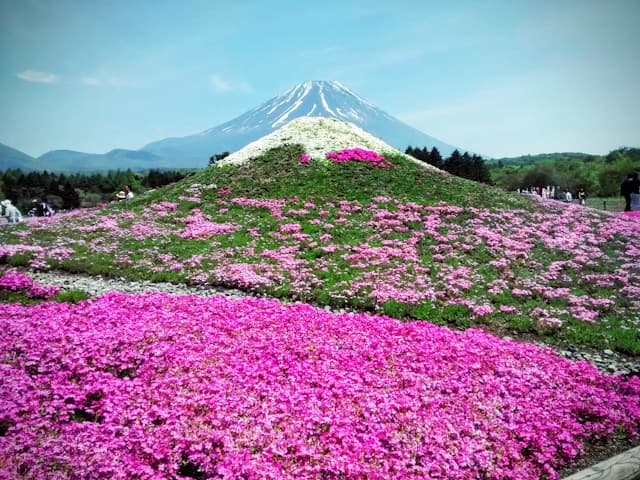
March is still decent. April = cherry blossoms + Fuji at Chureito Pagoda. Kosa (yellow sand) haze reduces visibility from mid-April. May humidity rises.
Worst season for viewing despite being climbing season. Rainy season mid-Jun to mid-Jul. High humidity + orographic clouds. Try before 7 AM only.
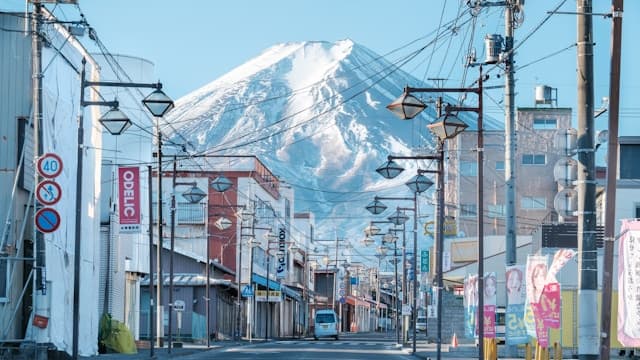
Visibility improves rapidly. First snow in October. November = autumn foliage + near-winter clarity at the Fuji Five Lakes.
Best locations matched to the right season
Five-story pagoda + Fuji. 398 steps up. Arrive by 6 AM in peak season.
Classic reflection spot. North shore for dawn mirrors. Momiji Corridor in autumn.
Diamond Fuji: sun sets on the summit, 4–5 PM. Double Diamond when reflected in lake.
The 1,000-yen banknote view. Less crowded. Shibazakura festival in spring.
Seat E, right side, Tokyo to Osaka. Best view 40 min after Tokyo, near Shin-Fuji.
What visitors get wrong
Even in winter, any single day has a 20–40% chance of no view. Three winter nights = 95%+ chance of at least one clear morning.
5–8 AM is the window. Clouds build by midday. Fewer crowds too.
A 5-minute webcam check from your hotel can save hours of travel to a cloudy viewpoint.
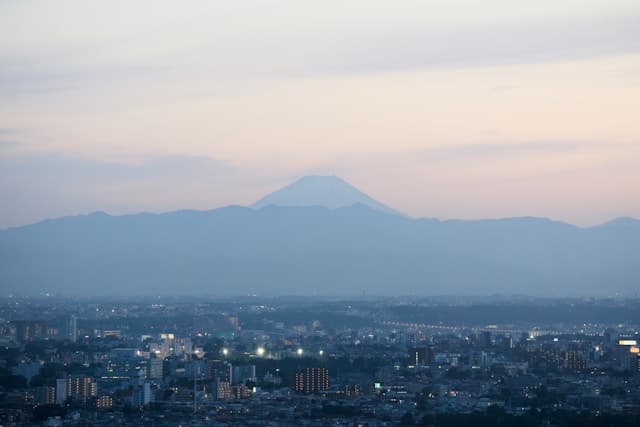
Kawaguchiko (25 km) has 3–4x better odds than Tokyo (100 km). Stay at the Fuji Five Lakes.
Rain clears the atmosphere. The morning after a storm often has the best visibility of the trip.
Late Mar–early Apr if you want cherry blossoms. Avoid Jun–Aug for viewing.
Everything you need to know about seeing Mt. Fuji