Watch Mt. Fuji in real-time from 12+ camera feeds across Yamanashi and Shizuoka prefectures.
Top-rated tours and transport from Tokyo to Fuji


Affiliate links: we may earn a commission at no extra cost to you.
Loading camera...
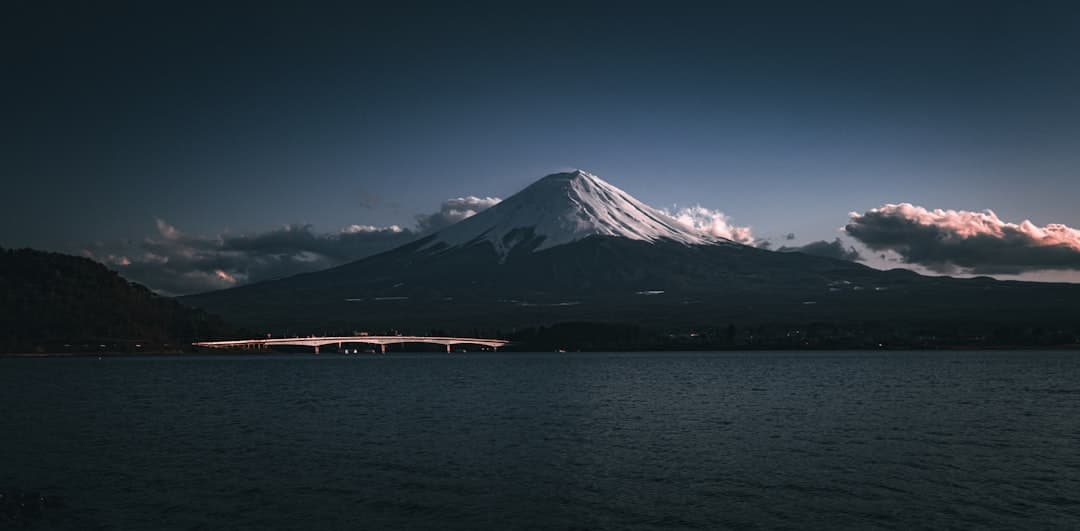
Most popular viewpoint. Classic lakefront view with Sakasa Fuji (inverted reflection) on calm mornings.
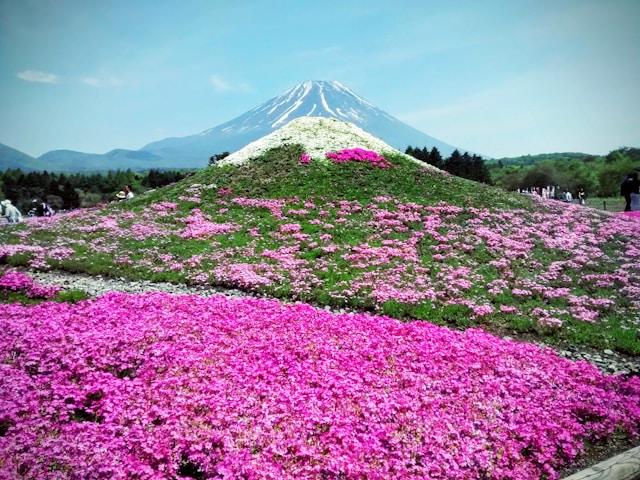
Classic symmetrical cone view from the Fuji Five Lakes area. Elevated viewpoints often sit above the fog.
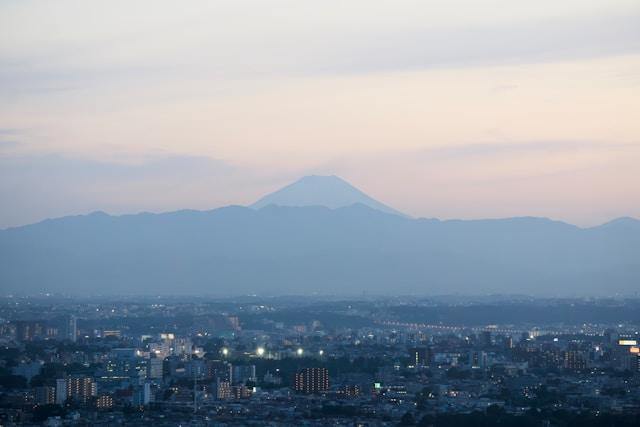
Broader slopes across Suruga Bay. Includes views from Hakone with Lake Ashinoko.
When to watch each camera for the best Mt. Fuji experience
Winter often offers clearer views of Mt. Fuji thanks to colder, drier air.
Cherry blossom season at Chureito Pagoda (late Mar-mid Apr). Visibility declines as humidity rises from May.
Rainy season Jun-Jul plus summer haze. Check cameras at dawn (4:30-6:00 AM) for best chance.
Foliage season with visibility returning to near-winter levels. First snow cap often appears in October.
Fuji is most visible 5:00-8:00 AM JST. Clouds build around the summit by midday.
Weather differs between north (Yamanashi) and south (Shizuoka) sides. One may be clear while the other is cloudy.
Panorama Dai (1,090m), Mt. Tenjo (1,075m), and Nijumagari Pass (1,150m) are often above fog.
Sakasa Fuji (inverted reflection) needs windless conditions, most common in the first hour after sunrise.
Winter often offers clearer views of Mt. Fuji thanks to colder, drier air.
12+ live webcams covering both the Yamanashi (north) and Shizuoka (south) sides of Mt. Fuji. Check conditions before heading to a viewpoint.
Clouds around the summit, haze, rain, and humidity can hide Mt. Fuji even when the sky at your viewpoint looks sunny. Check a nearby webcam for the current view.
For photographers: monitor cloud formations, golden hour light, and Diamond Fuji conditions in real time.
Feeds sourced from local tourism boards, SkylineWebcams, and municipal networks. Vetted for reliability and image quality.
All streams use YouTube Live. No plugins needed. Cameras run 24/7.