Mt Fuji Day Trip from Tokyo: Complete Planning Guide
Plan the perfect Mt Fuji day trip from Tokyo with transportation options, best viewing spots, and timing tips to maximize your chances of seeing Japan's iconic mountain.

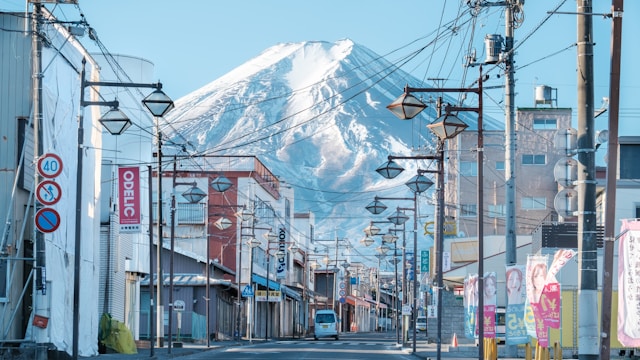
Can you do a Mt Fuji day trip from Tokyo?
Yes, a Mt Fuji day trip from Tokyo is entirely possible and one of the most popular excursions from the capital. Kawaguchiko, the best viewing destination, is just 2 hours by direct bus from Shinjuku. For the best experience, check visibility forecasts before departing and aim for early morning arrival when conditions are clearest.
A Mt Fuji day trip from Tokyo ranks among Japan's most rewarding travel experiences. Seeing the perfectly symmetrical 3,776-meter volcano up close transforms the distant silhouette visible from Tokyo's observation decks into an overwhelming presence that dominates the landscape.
However, Mt Fuji is famously shy. Clouds obscure the mountain more days than not, making timing critical for day trippers who have only one chance to see it. This guide covers everything you need to plan a successful day trip: transportation options, the best destinations, optimal timing, and how to check conditions before you leave.
Table of Contents
- Is a Day Trip Worth It?
- How to Get to Mt Fuji from Tokyo
- Best Day Trip Destinations
- When to Go for Best Visibility
- Sample Day Trip Itineraries
- What to Do If Mt Fuji Is Not Visible
- Frequently Asked Questions
- Planning Your Day Trip
Is a Day Trip Worth It?
A day trip to Mt Fuji from Tokyo is absolutely worth it if you plan around visibility. The Fuji Five Lakes region offers dramatically better viewing odds than Tokyo. At just 25 kilometers from the mountain, atmospheric haze that blocks distant Tokyo views becomes irrelevant.
The key difference is success rate. From Tokyo observation decks, clear Fuji views occur on roughly 10-15% of winter days. From Kawaguchiko, that rate jumps to 50-60% during the same season. You are essentially trading uncertain hope for reasonable probability.
Day trips work best when you:
- Check visibility forecasts the morning of your trip
- Have flexibility to postpone if conditions are poor
- Depart early to arrive before afternoon clouds build
- Accept that even with good forecasts, visibility is never guaranteed
If your schedule is rigid and you cannot reschedule, consider an overnight stay instead. Multiple mornings dramatically increase your chances of clear views.
How to Get to Mt Fuji from Tokyo
Several transportation options connect Tokyo to the Mt Fuji region. Your choice depends on budget, convenience, and which area you want to visit.
Highway Bus (Recommended)
Direct highway buses from Shinjuku to Kawaguchiko Station offer the best combination of price, convenience, and frequency. Fujikyu Express Bus and Keio Bus operate frequent services throughout the day.
| Detail | Information |
|---|---|
| Departure | Shinjuku Expressway Bus Terminal |
| Destination | Kawaguchiko Station |
| Duration | 1 hour 45 minutes to 2 hours |
| Price | Approximately 2,200 yen one way |
| Frequency | Every 30-60 minutes |
Book seats in advance during peak seasons (cherry blossom, autumn leaves, holidays) as buses fill quickly. For same-day flexibility, early morning departures typically have availability.
Train via Otsuki
The train route requires a transfer but offers Japan Rail Pass holders a cost-effective option.
Route: Shinjuku → Otsuki (JR Chuo Line, 70 minutes) → Kawaguchiko (Fujikyu Railway, 55 minutes)
The Fujikyu Railway section is not covered by JR Pass and costs approximately 1,200 yen. Total journey time runs about 2.5 hours including the transfer.
The scenic Fujikyu Railway passes through mountain valleys with occasional Fuji glimpses on clear days. The Fuji Excursion limited express runs directly from Shinjuku to Kawaguchiko without changing trains, though it requires seat reservations.
Shinkansen to Mishima or Shin-Fuji
For the southern approach to Mt Fuji, the Tokaido Shinkansen offers high-speed access.
To Mishima: 45 minutes from Tokyo Station, then bus to Gotemba or Fujinomiya (45-60 minutes)
To Shin-Fuji: 65 minutes from Tokyo Station, then bus to Fujinomiya (30 minutes)
This route works well for visiting the Shizuoka side of Mt Fuji or combining with a trip to Hakone. The southern approach sometimes remains clear when the northern Kawaguchiko side is cloudy.
Guided Tours
Organized bus tours from Tokyo handle all logistics and include multiple stops. Tours typically visit Kawaguchiko, the Fuji Five Lakes area, and sometimes Hakone or Gotemba Premium Outlets.
Tours suit travelers who prefer not to navigate independently. The trade-off is less flexibility with timing, which matters for visibility. If morning conditions are poor but afternoon clears, independent travelers can adjust while tour groups follow fixed schedules.
Best Day Trip Destinations
Kawaguchiko (Top Recommendation)
Lake Kawaguchiko offers the most accessible and rewarding Mt Fuji day trip destination. The town provides excellent infrastructure, multiple viewpoints, and backup activities if visibility disappoints.
Key viewpoints:
- Kawaguchiko northern shore - Classic views across the lake with potential reflections
- Mt. Fuji Panoramic Ropeway - Elevated views from 1,075 meters
- Oishi Park - Flower gardens with Fuji backdrop
- Ubuyagasaki - Famous reflection photography spot
Our best Mt. Fuji viewing locations guide covers these spots in detail with specific photography advice and crowd expectations.
Getting around Kawaguchiko is easy with the Retro Bus loop service (Red Line and Green Line) that connects the station to major viewpoints. A day pass costs 1,500 yen for unlimited rides.
Chureito Pagoda (Shimoyoshida)
The five-story pagoda with Mt Fuji in the background creates one of Japan's most iconic images. Located about 10 minutes by train from Kawaguchiko, Chureito Pagoda makes an excellent addition to a Kawaguchiko day trip.
Reaching the pagoda requires climbing 398 steps from the base. Allow 15-20 minutes for the ascent. The best light occurs at sunrise and during cherry blossom season (early April), though winter offers the clearest Fuji visibility.
Note that tripods are currently banned at the main viewing platform due to crowding. Arrive early for the best position and fewer people in your shots. See our Mt. Fuji photography guide for camera settings and composition tips.
Hakone
Hakone sits approximately 40 kilometers from Mt Fuji, farther than Kawaguchiko but with different attractions. The combination of hot springs, museums, Lake Ashi, and potential Fuji views makes it popular for visitors wanting variety.
Visibility rates from Hakone run lower than Kawaguchiko at 40-50% in winter. However, the region offers rewarding experiences regardless of whether Fuji appears. The Hakone Free Pass covers transportation and provides good value for exploration.
For dedicated Fuji viewing, prioritize Kawaguchiko. For a diverse day with hot springs and multiple activities, consider Hakone with Fuji as a bonus.
Gotemba and Fujinomiya (Southern Approach)
The southern routes via Gotemba and Fujinomiya show a different perspective of Mt Fuji. Weather patterns sometimes favor this side when clouds cover the north.
Gotemba Premium Outlets attract shoppers and offer Fuji views from the outdoor mall. Fujinomiya provides close access to the mountain and serves as a major climbing route starting point.
These destinations work best combined with Shinkansen travel or for visitors specifically interested in the mountain's southern face.
When to Go for Best Visibility
Timing determines whether your day trip succeeds or ends in disappointment. Both season and time of day matter significantly.
Best Seasons
Winter months (December through February) deliver the highest visibility rates. Cold, dry air from Siberia pushes out humidity that obscures views during warmer months. The snow-capped peak against blue skies creates the classic image most visitors hope to capture.
| Season | Visibility Rate | Conditions |
|---|---|---|
| Winter (Dec-Feb) | 50-60% | Best visibility, snow cap |
| Spring (Mar-May) | 40-50% | Cherry blossoms in April |
| Autumn (Sep-Nov) | 35-45% | Autumn colors, clearing skies |
| Summer (Jun-Aug) | 15-25% | Rainy season, haze |
Our best time to see Mt. Fuji guide provides month-by-month analysis if you have flexibility in scheduling your trip.
Best Time of Day
Morning consistently offers better visibility than afternoon. Cool overnight temperatures reduce atmospheric haze, and thermal clouds have not yet formed around the summit.
Optimal window: 6:00 AM to 10:00 AM
Departing Tokyo on an early bus (6:30-7:30 AM) puts you in Kawaguchiko by 9:00-10:00 AM while conditions remain favorable. Later arrivals risk finding the mountain hidden behind clouds that build during midday heating.
Checking Visibility Before You Go
Never leave for a Mt Fuji day trip without checking conditions. Our real-time Mt Fuji visibility forecast shows current conditions and predictions for the coming days, updated every 15 minutes.
Decision framework:
- Visibility score 70+: Go. Conditions favor clear views
- Visibility score 50-69: Consider going but prepare for partial views
- Visibility score below 50: Postpone if possible or have strong backup plans
Also check if Mt Fuji will be visible tomorrow when planning overnight decisions about your trip.
Sample Day Trip Itineraries
Early Bird Kawaguchiko Itinerary
This schedule maximizes morning visibility and allows time to explore even if conditions change.
| Time | Activity |
|---|---|
| 6:45 AM | Depart Shinjuku by highway bus |
| 8:45 AM | Arrive Kawaguchiko Station |
| 9:00 AM | Northern shore viewpoints (morning light) |
| 10:30 AM | Mt. Fuji Panoramic Ropeway |
| 12:00 PM | Lunch in Kawaguchiko town |
| 1:30 PM | Oishi Park or lake activities |
| 3:30 PM | Chureito Pagoda (train to Shimoyoshida) |
| 5:30 PM | Return to Kawaguchiko Station |
| 6:00 PM | Depart for Tokyo |
| 8:00 PM | Arrive Shinjuku |
This itinerary captures prime morning viewing hours while leaving afternoon for activities that work regardless of visibility.
Flexible Photographer's Day Trip
For serious photographers willing to adjust plans based on conditions:
| Time | Activity |
|---|---|
| 5:00 AM | Check visibility forecast |
| 5:30 AM | Depart Shinjuku (first bus) |
| 7:30 AM | Arrive Kawaguchiko |
| 7:45 AM | Sunrise at Ubuyagasaki or northern shore |
| 9:00 AM | Chureito Pagoda (train to Shimoyoshida) |
| 11:00 AM | Return to Kawaguchiko for secondary shots |
| 1:00 PM | Lunch and rest |
| 3:00 PM | Afternoon golden hour attempts if conditions permit |
| 6:00 PM | Depart for Tokyo |
Check the Mt Fuji weather forecast to understand how conditions might evolve throughout the day.
What to Do If Mt Fuji Is Not Visible
Even with careful planning, clouds may hide the mountain. Kawaguchiko offers plenty to enjoy regardless of visibility.
Alternative Activities
Hot springs: Several day-use onsen facilities offer relaxing soaks with potential Fuji views when conditions clear. Fujiyama Onsen near the station provides convenient access.
Kawaguchiko Music Forest: A European-themed museum with automated instruments and gardens. Enjoyable regardless of weather.
Hiking: The northern shore walking path and trails around the lakes offer pleasant exercise through forests and lakeside scenery.
Local cuisine: Try hoto noodles, a regional specialty featuring thick flat noodles in miso-based soup with vegetables.
Fuji-Q Highland: Japan's famous amusement park with extreme roller coasters sits near Kawaguchiko Station for thrill seekers.
Wait for Clearing
Mountain weather changes rapidly. Morning clouds sometimes clear by early afternoon, or vice versa. If conditions look borderline, staying flexible and monitoring the forecast throughout the day may reward patience.
Check if Mt Fuji is visible today with our real-time updates rather than giving up after morning clouds.
Frequently Asked Questions
How much does a Mt Fuji day trip from Tokyo cost?
A budget day trip costs approximately 5,000-6,000 yen including round-trip bus fare (4,400 yen) and local transportation. Adding attractions like the ropeway (1,000 yen round-trip) and meals increases costs to 8,000-10,000 yen. Guided tours typically range from 8,000-15,000 yen depending on inclusions.
Can you climb Mt Fuji as a day trip from Tokyo?
Technically possible but not recommended. The official climbing season runs July to early September, and the ascent takes 5-7 hours up plus 3-4 hours down. Most climbers overnight at mountain huts to catch sunrise from the summit. A day trip focused on viewing the mountain from Kawaguchiko is far more practical.
Is it better to visit Kawaguchiko or Hakone?
For dedicated Mt Fuji viewing, Kawaguchiko offers higher visibility rates (50-60% vs 40-50% in winter) and closer proximity. For a diverse experience combining hot springs, museums, and potential Fuji views, Hakone provides more variety. Both make excellent day trips but serve different priorities.
What if visibility is bad when I arrive?
Enjoy the region's other attractions. Kawaguchiko offers hot springs, museums, hiking, and local cuisine. Weather can change quickly, so monitor forecasts throughout the day. Consider extending to an overnight stay if you have flexibility and morning conditions might improve.
Planning Your Day Trip
Success on a Mt Fuji day trip from Tokyo requires preparation and flexibility. Book transportation in advance during peak seasons but maintain ability to adjust dates if possible.
The evening before your planned trip, check our visibility forecast and weather conditions. A score above 70 suggests good odds. Morning departures maximize your chances by arriving during optimal viewing hours.
Pack layers regardless of season. Kawaguchiko sits at higher elevation than Tokyo and temperatures can surprise visitors expecting similar conditions. Bring a camera with charged batteries, as cold weather drains power quickly.
Most importantly, approach the trip with realistic expectations. Mt Fuji reveals itself on its own schedule. Even experienced photographers sometimes return empty-handed. But when conditions align, seeing Japan's most iconic mountain up close creates memories that justify the effort.
Check Current Visibility
Ready to plan your Mt Fuji day trip from Tokyo?
Check Mt Fuji Visibility - Real-time visibility score updated every 15 minutes. See conditions before you book.
Also explore visibility for Mt. Rainier in Seattle and Denali in Alaska.
More Articles
Mt Fuji Climbing Season 2026: Dates, Trails & Essential Guide
Plan your Mt Fuji climb with official 2026 season dates, trail comparisons, permit requirements, and essential gear. Everything you need to know before climbing Japan's highest peak.
Chureito Pagoda: The Iconic Mt Fuji Viewpoint Guide
Plan your visit to Chureito Pagoda for the classic Mt Fuji view. Get access details, best times for photography, cherry blossom season tips, and how to avoid crowds.
Mt Fuji Hike: What to Expect, Difficulty & First-Timer Tips
Planning your Mt Fuji hike? Learn what to expect on the trail, difficulty level for beginners, how to prevent altitude sickness, and tips for catching the legendary summit sunrise.