Chureito Pagoda: The Iconic Mt Fuji Viewpoint Guide
Plan your visit to Chureito Pagoda for the classic Mt Fuji view. Get access details, best times for photography, cherry blossom season tips, and how to avoid crowds.

What is Chureito Pagoda?
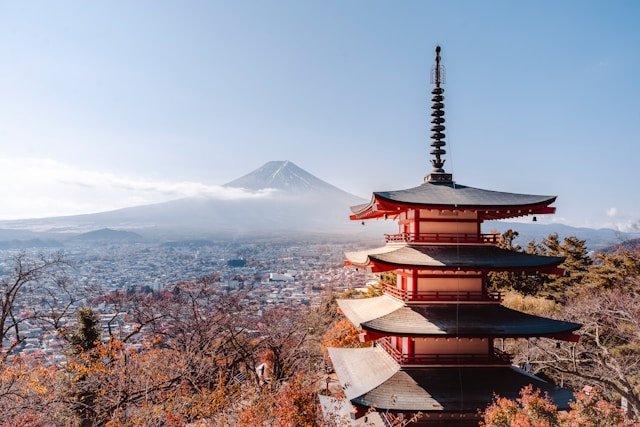
Chureito Pagoda is a five-story red pagoda located within Arakura Sengen Shrine in Fujiyoshida, Japan. Built in 1963 as a peace memorial, it offers one of the most iconic views of Mt Fuji. The pagoda sits atop 398 stone steps and is famous for photographs combining the traditional Japanese structure with Mt Fuji in the background, especially during cherry blossom season.
The image of Chureito Pagoda with Mt Fuji rising behind it has become one of Japan's most recognized photographs. This single viewpoint draws visitors from around the world hoping to capture the perfect shot of traditional Japan framed against the country's highest mountain.
However, seeing both the pagoda and a clear Mt Fuji requires planning. The mountain hides behind clouds more often than not, and the viewpoint gets extremely crowded during peak seasons. This guide covers everything you need to know: how to get there, when to visit for the best conditions, photography tips, and what to expect during cherry blossom season.
Table of Contents
- About Chureito Pagoda
- How to Get to Chureito Pagoda
- Best Time to Visit
- Cherry Blossom Season Guide
- Photography Tips
- What to Expect During Your Visit
- Frequently Asked Questions
- Planning Your Visit
About Chureito Pagoda
Chureito Pagoda stands within the grounds of Arakura Sengen Shrine, a Shinto shrine dedicated to the goddess Konohana Sakuya-hime, the deity of Mt Fuji. The pagoda itself was constructed in 1963 as a memorial to local citizens who died in wars following the Meiji era.
The name references the shrine's history. Arakura Sengen Shrine was established over 1,300 years ago and has served as a place of worship for those seeking blessings before climbing Mt Fuji. The pagoda addition created what has become perhaps Japan's most photographed scene.
Reaching the pagoda requires climbing 398 stone steps from the shrine entrance. The number 398 (pronounced "sa-ku-ya" in Japanese) is a deliberate reference to the goddess Konohana Sakuya-hime. The climb takes 10-20 minutes depending on your pace, passing through a pathway lined with cherry trees that create spectacular tunnels of pink during spring.
Key details:
- Location: Arakura Sengen Shrine, Fujiyoshida City, Yamanashi Prefecture
- Hours: Open 24 hours (grounds never close)
- Admission: Free
- Steps to climb: 398 stone steps
- Elevation: Approximately 850 meters above sea level
How to Get to Chureito Pagoda
From Tokyo
The most convenient route from Tokyo takes approximately 2-2.5 hours.
Option 1: Direct Bus + Train Take a highway bus from Shinjuku to Kawaguchiko Station (approximately 2 hours, 2,200 yen), then transfer to the Fujikyu Railway to Shimo-Yoshida Station (10 minutes, 310 yen). From the station, walk 15-20 minutes to the pagoda.
Option 2: Train via Otsuki Take the JR Chuo Line from Shinjuku to Otsuki (70-100 minutes depending on train type), then transfer to the Fujikyu Railway to Shimo-Yoshida Station (45 minutes, approximately 1,000 yen). This route works well for Japan Rail Pass holders, though the Fujikyu Railway portion is not covered.
Option 3: Fuji Excursion Limited Express The Fuji Excursion runs directly from Shinjuku to Shimo-Yoshida without transfers. Journey time is approximately 2 hours. This train is extremely popular and requires advance seat reservations, which can be made 30 days before travel through JR East.
From Kawaguchiko
If you are already in the Fuji Five Lakes area, reaching Chureito Pagoda is straightforward.
| Method | Duration | Cost |
|---|---|---|
| Fujikyu Railway to Shimo-Yoshida | 10 minutes | 310 yen |
| Mt Fuji World Heritage Loop Bus | 15 minutes | Included in bus pass |
| Taxi | 10 minutes | Approximately 1,500-2,000 yen |
From Shimo-Yoshida Station, follow the signs toward Arakura Sengen Shrine. The walk takes 10-15 minutes to reach the shrine entrance, then you begin the 398-step climb to the pagoda viewpoint.
A visit to Chureito Pagoda combines naturally with a Mt Fuji day trip from Tokyo that includes Kawaguchiko.
Parking
Free parking is available at Arakura Sengen Shrine year-round, except during the cherry blossom festival in April when a 1,000 yen parking fee applies. During peak seasons, the small lot fills early. Arrive before 7 AM or use public transportation.
Best Time to Visit
For Clear Mt Fuji Views
Mt Fuji visibility determines whether your Chureito Pagoda photograph succeeds. The best time to see Mt Fuji is during winter months when cold, dry air provides optimal clarity.
| Season | Visibility Rate | Conditions |
|---|---|---|
| Winter (Dec-Feb) | 50-60% | Best visibility, snow-capped peak |
| Spring (Mar-May) | 40-50% | Cherry blossoms in April |
| Autumn (Sep-Nov) | 35-45% | Autumn colors in November |
| Summer (Jun-Aug) | 15-25% | Rainy season, frequent clouds |
Winter offers the highest probability of clear views, but mornings are cold and you will not have cherry blossoms or autumn colors. The trade-off between visibility and seasonal beauty is a personal choice.
Check our real-time Mt Fuji visibility forecast before visiting. A score above 70 suggests good conditions for photography.
Best Time of Day
Early morning consistently provides the best conditions for Chureito Pagoda photography.
Optimal window: 6:00 AM to 9:00 AM
Morning advantages:
- Mt Fuji visibility peaks before afternoon clouds build
- Soft golden light illuminates the pagoda
- Sun position behind you prevents harsh shadows
- Fewer crowds before tour buses arrive (typically 9-10 AM)
The pagoda faces south with Mt Fuji to the south-southwest. Morning light from the east creates ideal illumination without backlighting the mountain.
If Mt Fuji is visible today, prioritize visiting in the morning when your odds of clear views are highest.
Cherry Blossom Season Guide
Cherry blossom season at Chureito Pagoda creates the iconic image most visitors hope to capture. The combination of pink sakura, red pagoda, and snow-capped Mt Fuji represents the quintessential Japan photograph.
2026 Cherry Blossom Forecast
Cherry blossoms in the Fujiyoshida area typically peak 7-10 days after Tokyo due to higher elevation and cooler temperatures.
Expected 2026 peak: April 6-13
The Arakurayama Sengen Park Cherry Blossom Festival typically runs from April 1-18, though exact dates vary based on bloom timing.
What to Expect During Peak Bloom
Cherry blossom season transforms Chureito Pagoda from a popular attraction into an extremely crowded destination. Prepare for:
Ticketing system: During peak bloom, a color-coded ticketing system limits time on the observation deck to approximately 5 minutes per group. This ensures everyone gets a chance to photograph but limits flexibility.
Long waits: Expect 30-60 minute waits for the observation deck during midday. Arriving before 6 AM reduces wait times significantly.
Parking fees: The free parking lot closes during the festival. Temporary paid parking (1,000 yen) operates near the shrine.
Crowds throughout the day: Unlike off-season visits where early morning means solitude, cherry blossom season draws crowds from dawn until sunset.
Tips for Cherry Blossom Season Success
- Arrive before sunrise (around 5 AM) to secure a spot before crowds build
- Check visibility forecasts - clear Mt Fuji views are not guaranteed even during cherry blossom peak
- Have backup days - blossoms last only 1-2 weeks at peak, and weather can ruin any single day
- Book accommodation in advance - hotels in the Kawaguchiko area fill months ahead during sakura season
- Consider weekdays - weekend crowds can be overwhelming
Photography Tips
Camera Settings
For the classic Chureito Pagoda shot with Mt Fuji:
| Setting | Recommendation |
|---|---|
| Aperture | f/8 to f/11 for sharpness throughout frame |
| ISO | 100-400 in daylight |
| Focal length | 24-70mm range works well |
| Focus | Manual focus at hyperfocal distance |
The distance between the pagoda and Mt Fuji means both appear relatively sharp at moderate apertures. A 50mm focal length on full-frame captures the classic composition; wider angles include more foreground context.
For detailed camera advice, see our Mt Fuji photography guide.
Tripod Restrictions
Important: Tripods are banned on the main observation deck at Chureito Pagoda.
Security guards enforce this rule, particularly during peak seasons. The restriction exists because the viewing platform is small and tripods block other visitors.
Alternatives:
- Use a monopod (sometimes permitted, check with staff)
- Shoot handheld with image stabilization
- Brace your camera against the railing
- Visit during very early hours when enforcement may be lighter
Composition Options
Beyond the classic straight-on shot, consider:
From below: Photograph the pagoda from partway up the stairs with cherry blossoms framing the scene Vertical orientation: Emphasizes the pagoda's height against the mountain Include visitors: People on the stairs add scale and human interest Reflection shots: After rain, puddles on the stone create interesting reflections
Alternative Viewpoints
If the observation deck is too crowded, other locations offer different perspectives:
- Lower viewing area: Below the main deck, less crowded but partially obstructed
- Stairs: Various points along the 398 steps offer unique angles
- Shrine grounds: The shrine buildings with Mt Fuji in the background
What to Expect During Your Visit
The Climb
The 398 steps are the only way to reach the pagoda viewpoint. There is no elevator or alternative path to the top.
Physical requirements:
- Moderate fitness needed
- Allow 10-20 minutes for the climb
- Rest benches available at intervals
- Wear comfortable shoes (avoid heels or sandals)
An alternative zig-zag path exists for those who cannot manage steep stairs, though it takes longer.
Facilities
At the base of the shrine:
- Public restrooms
- Small shops selling snacks and souvenirs
- Vending machines
At the pagoda viewpoint:
- Small observation deck
- No facilities (use restrooms before climbing)
Combining with Other Attractions
Chureito Pagoda works well combined with:
Kawaguchiko: Take the train to Kawaguchiko after visiting the pagoda for lake views and other viewpoints
Fujiyoshida: The town at the base offers traditional streets, local restaurants, and the Fujisan World Heritage Center
Fuji-Q Highland: Japan's famous amusement park with extreme roller coasters is one stop away on the Fujikyu Railway
A full day can include Chureito Pagoda in the morning, Kawaguchiko for midday, and return to Tokyo in the evening. Our day trip guide covers suggested itineraries.
Frequently Asked Questions
Is Chureito Pagoda worth visiting if Mt Fuji is not visible?
The pagoda and shrine have beauty independent of Mt Fuji. During cherry blossom season, the sakura-lined stairway creates stunning photographs even without the mountain. However, most visitors come specifically for the combined view. Check our visibility forecast before visiting and consider postponing if conditions are poor.
How long does it take to visit Chureito Pagoda?
Allow 1-2 hours total: 15-20 minutes to climb, 15-30 minutes at the viewpoint (longer during peak seasons with waiting), and 10-15 minutes to descend. Add time for exploring the shrine grounds and taking photographs along the way.
Can I visit Chureito Pagoda at night?
Yes, the grounds are open 24 hours. Night photography can be rewarding when conditions allow, and you will have the viewpoint largely to yourself. However, the stairs are dark and potentially hazardous. Bring a flashlight and exercise caution.
When is the best time to photograph Chureito Pagoda?
For visibility: winter months (December-February) when Mt Fuji appears most frequently. For seasonal beauty: cherry blossom season (early-mid April) or autumn colors (early November). For light quality: early morning (6-9 AM) when golden light illuminates the scene without harsh shadows.
Planning Your Visit
Success at Chureito Pagoda requires attention to both Mt Fuji visibility and practical logistics. Check our visibility forecast the morning of your visit. Scores above 70 indicate good conditions; scores below 50 suggest postponing if possible.
Arrive early regardless of season. Morning light favors photography, crowds are smaller before tour buses arrive, and Mt Fuji visibility peaks in early hours before afternoon clouds build.
During cherry blossom season, flexibility becomes essential. Book accommodation that allows cancellation, check bloom forecasts as your dates approach, and prepare for crowds regardless of arrival time.
For the best overall experience, combine Chureito Pagoda with a full day trip to the Fuji Five Lakes area. The pagoda makes an excellent morning stop before exploring Kawaguchiko and other viewpoints.
Check Current Visibility
Ready to see if Mt Fuji is visible from Chureito Pagoda today?
Check Mt Fuji Visibility - Real-time visibility score updated every 15 minutes.
Also explore visibility for Mt. Rainier in Seattle and Denali in Alaska.
More Articles
Paradise Mt Rainier: The Complete Visitor Guide for Every Season
Plan your trip to Paradise at Mt Rainier with trail details, parking tips, wildflower timing, and visibility forecasts.
How Far Is Mt. Rainier from Seattle? Distance, Drive Times, and Routes
Mt. Rainier is 59 miles from Seattle. Get drive times, routes to every entrance, and total trip costs.
Mount Rainier National Park Guide: Seasons, Areas and Odds
Mount Rainier National Park guide: fall 2026 closures, fees, the five park areas, and 10 years of cloud data on when you will actually see the mountain.