Best Time to See Mt. Rainier: Seattle Visibility Guide by Month
Find the best time to see Mt. Rainier from Seattle with monthly visibility data. Learn when "the mountain is out" and how to plan your visit for clear views.

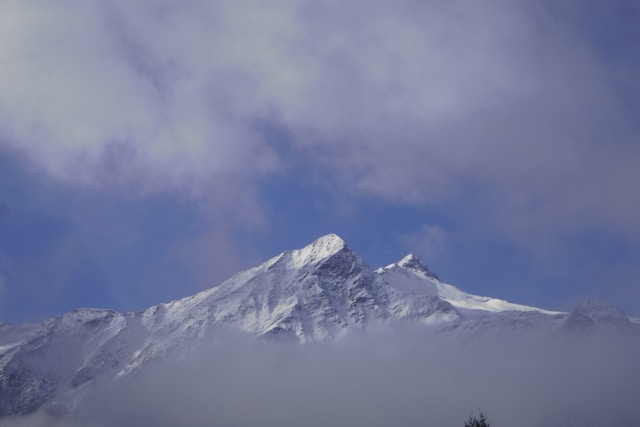
What is the Best Time to See Mt. Rainier?
The best time to see Mt. Rainier is during summer months (July-September) when dry weather provides optimal visibility. Mt. Rainier is only visible from Seattle approximately 83 days per year, making timing essential. Check our real-time Mt. Rainier visibility forecast to see if the mountain is out right now.
Table of Contents
- Understanding Mt. Rainier Visibility
- Best Months to See Mt. Rainier
- Best Time of Day for Clear Views
- Viewing Mt. Rainier from Seattle
- Where to Check Current Visibility
- Frequently Asked Questions
- Planning Your Visit
Understanding Mt. Rainier Visibility
Seattle locals have a famous phrase: "The mountain's out." This expression captures the excitement of seeing Mt. Rainier clearly from the city, an event that happens far less often than visitors expect. Understanding what "the mountain is out" means helps you appreciate why timing matters so much.
A time-lapse study by Sameer Halai documented Mt. Rainier visibility from Kerry Park throughout 2012. The results surprised even Seattle residents: the mountain was clearly visible only 83 times that year, roughly once every 4-5 days. This translates to about 20-30% visibility throughout the year.
Several factors make Mt. Rainier visibility challenging. Seattle receives approximately 150 rainy days annually. The mountain creates its own weather systems due to its massive size and 14,411-foot elevation. Even on seemingly clear days in Seattle, clouds can wrap around Rainier's summit or atmospheric haze can obscure distant views.
The Pacific Ocean strongly influences weather patterns at Mt. Rainier. Moisture-laden air from the ocean rises against the mountain, creating precipitation that averages over 100 inches annually at Paradise, the main visitor area. This explains why the NPS weather page describes the climate as "generally cool and rainy."
Best Months to See Mt. Rainier
Choosing the best time to see Mt. Rainier requires balancing visibility probability with weather conditions. Here is what each season offers.
Summer (June-August)
Summer delivers the highest visibility rates and most comfortable conditions. July and August receive only about 2 inches of precipitation each, compared to 18+ inches during winter months.
| Month | Visibility | Precipitation | Avg High (Paradise) |
|---|---|---|---|
| June | Good | 4 inches | 54°F (12°C) |
| July | Excellent | 2 inches | 64°F (18°C) |
| August | Excellent | 2 inches | 65°F (18°C) |
Mid-July through mid-August represents the prime window. Snow has melted from most trails, wildflowers bloom in subalpine meadows, and clear skies dominate. This mirrors our findings for the best time to see Mt. Fuji, where dry seasons consistently outperform wet periods.
The trade-off is crowds. Summer brings the heaviest visitation to Mt. Rainier National Park, and parking at popular spots like Paradise fills early on weekends.
Autumn (September-October)
Early autumn extends the excellent viewing season with fewer crowds. September still maintains good visibility before the rainy season returns in earnest.
| Month | Visibility | Precipitation | Avg High (Paradise) |
|---|---|---|---|
| September | Good | 5 inches | 57°F (14°C) |
| October | Variable | 9 inches | 47°F (8°C) |
October brings stunning fall colors to lower elevations, but visibility becomes unpredictable as Pacific storms return. Some October days offer crystal-clear views while others bring heavy rain.
Winter (November-February)
Winter presents the most challenging visibility conditions. November is the wettest month, receiving over 20 inches of precipitation at Paradise.
| Month | Visibility | Precipitation | Avg High (Paradise) |
|---|---|---|---|
| November | Poor | 20 inches | 38°F (3°C) |
| December | Poor | 18 inches | 34°F (1°C) |
| January | Poor | 18 inches | 33°F (1°C) |
| February | Poor | 14 inches | 34°F (1°C) |
However, winter offers a unique advantage. When clear days do occur, the dry cold air provides exceptional visibility. Snow-covered Rainier against a blue sky creates spectacular views, similar to how winter provides the clearest Mt. Fuji weather forecast conditions in Japan.
Spring (March-May)
Spring delivers unpredictable conditions. March through early June can produce any type of weather, from snowstorms to sunny warmth.
| Month | Visibility | Precipitation | Avg High (Paradise) |
|---|---|---|---|
| March | Variable | 14 inches | 36°F (2°C) |
| April | Variable | 9 inches | 41°F (5°C) |
| May | Variable | 6 inches | 49°F (9°C) |
Late May and early June represent a particularly poor time to visit. Snow often blocks higher trails, roads may have restricted access, and visibility remains inconsistent. The NPS recommends checking current conditions before visiting during this transition period.
Best Time of Day for Clear Views
Beyond choosing the right month, the time of day significantly affects your Mt. Rainier viewing experience.
Morning Clarity
Early morning between 6-9 AM typically offers the clearest atmospheric conditions. Overnight cooling stabilizes the air, reducing haze that builds throughout the day. Morning light also illuminates the mountain's eastern glaciers beautifully.
For photographers, sunrise provides soft golden light on Rainier's snow-covered slopes. Arrive at viewpoints 30-45 minutes before sunrise to set up and capture the changing light.
Sunset Magic
Sunset is arguably the best time to view Mt. Rainier from Seattle. The city sits northwest of the mountain, meaning sunset light reflects directly off Rainier's glaciated peak. When conditions align, the mountain glows pink and orange, a phenomenon locals call "alpenglow."
The challenge is timing. Summer sunsets occur late (around 9 PM), while winter sunsets happen early (around 4:30 PM). Plan your viewing location accordingly and check sunset times for your visit date.
Midday Considerations
Midday viewing works but presents challenges. Summer heat creates thermal updrafts that can generate afternoon clouds around the summit. Atmospheric haze also accumulates throughout the day, reducing clarity for distant views from Seattle.
If midday is your only option, closer viewpoints within Mt. Rainier National Park provide better experiences than distant Seattle locations.
Viewing Mt. Rainier from Seattle
Mt. Rainier stands approximately 60 miles southeast of downtown Seattle. This distance means atmospheric conditions significantly impact visibility, similar to how distance affects seeing Mt. Fuji from Tokyo.
Optimal Conditions
Several factors must align for clear Seattle-to-Rainier views:
Low humidity: Dry air transmits light better than humid air. Winter cold fronts often bring the driest conditions.
No low clouds: Clouds below 10,000 feet will obscure the mountain even if the summit is clear.
Clean air: Wildfire smoke during summer can dramatically reduce visibility even on otherwise clear days.
Stable atmosphere: Temperature inversions that trap pollution and haze near the surface prevent clear distant views.
When Seattle Weather Misleads
A common frustration occurs when Seattle has blue skies but Rainier remains invisible. This happens because:
- Clouds can form around the mountain while Seattle stays clear
- Atmospheric haze accumulates over the 60-mile distance
- Lenticular clouds (flying saucer shapes) frequently cap the summit
- Marine layer fog can obscure lower slopes while the summit peaks above
Checking Mt. Rainier webcams before traveling helps you verify actual conditions at the mountain.
Where to Check Current Visibility
Multiple resources help you determine the best time to see Mt. Rainier on any given day.
Real-Time Visibility Forecasts
Our Mt. Rainier visibility forecast combines weather data, cloud cover predictions, and historical patterns to generate visibility scores updated throughout the day. The forecast extends 10 days ahead, helping you plan visits during your trip.
Unlike general weather forecasts that focus on precipitation and temperature, visibility forecasts specifically model the conditions that determine whether you will see the mountain clearly.
Official Weather Resources
The National Park Service weather page provides current conditions at Paradise, Longmire, and other park locations. This helps you understand conditions at the mountain itself, not just Seattle.
Visit Rainier maintains temperature averages and road condition updates useful for planning park visits.
Webcam Verification
Before driving to a viewpoint, check webcam feeds to verify current conditions. Several webcams throughout Seattle and at the park show real-time mountain views. Our Mt. Rainier webcam guide covers the best cameras to check.
Frequently Asked Questions
How often is Mt. Rainier visible from Seattle?
Mt. Rainier is visible from Seattle approximately 83 days per year based on documented observations, or roughly once every 4-5 days. Summer months offer significantly higher visibility rates than winter. Even when the forecast looks promising, always verify with webcams before traveling specifically to see the mountain.
What is the best month to see Mt. Rainier?
July and August offer the best combination of high visibility probability and pleasant weather. These months receive minimal precipitation (about 2 inches each) and provide the most consistently clear skies. September extends the good viewing season with fewer crowds.
Can you see Mt. Rainier in winter?
Yes, but less frequently. Winter brings heavy precipitation and cloud cover, reducing visibility to perhaps 15-20% of days. However, the clear days that do occur often provide exceptional views due to dry cold air and fresh snow on the mountain. Winter alpenglow can be spectacular.
What does "the mountain is out" mean?
"The mountain's out" is a Seattle phrase meaning Mt. Rainier is clearly visible. Locals use this expression because clear views happen infrequently enough to be notable events. When someone says the mountain is out, it signals a good day to enjoy the view.
Planning Your Visit
With knowledge of the best time to see Mt. Rainier, you can plan effectively for clear views.
Build Flexibility Into Your Schedule
If visiting the Pacific Northwest specifically to see Mt. Rainier, plan multiple potential viewing days. Even during optimal summer months, weather can shift unexpectedly. Having 3-4 days with flexible schedules dramatically increases your success rate.
Check Forecasts Daily
Monitor visibility forecasts starting several days before your trip and check again each morning. Conditions can change quickly, and a day forecast as poor might clear unexpectedly, or vice versa.
Have Backup Plans
When visibility is poor, Mt. Rainier National Park still offers excellent experiences. Hiking through old-growth forests, visiting historic lodges, or enjoying the park's waterfalls does not require clear summit views. The Wonderland Trail sections through forest remain rewarding regardless of weather.
Consider Multiple Viewpoints
Different locations offer views at different conditions. Kerry Park in Seattle provides iconic city-with-mountain photos but requires exceptional clarity. Closer viewpoints at Crystal Mountain or within the national park work in conditions that would obscure distant Seattle views.
In Summary
The best time to see Mt. Rainier falls during summer months, particularly July and August, when dry weather provides visibility rates far exceeding the yearly average. Early morning and sunset offer the clearest atmospheric conditions and most dramatic lighting.
Mt. Rainier is visible from Seattle only about 83 days per year, making timing and flexibility essential for visitors hoping to see the iconic peak. Checking our real-time visibility forecast alongside webcam feeds gives you the best information for planning your viewing day.
Whether you catch the mountain on a perfect summer morning or during a rare winter clearing, witnessing "the mountain out" remains one of the Pacific Northwest's most rewarding experiences.
Check Current Visibility
Ready to see if Mt. Rainier is visible right now?
Check Mt. Rainier Visibility - Real-time visibility score updated throughout the day.
Also explore visibility for Mt. Fuji in Japan and Denali in Alaska.
More Articles
Paradise Mt Rainier: The Complete Visitor Guide for Every Season
Plan your trip to Paradise at Mt Rainier with trail details, parking tips, wildflower timing, and visibility forecasts.
How Far Is Mt. Rainier from Seattle? Distance, Drive Times, and Routes
Mt. Rainier is 59 miles from Seattle. Get drive times, routes to every entrance, and total trip costs.
Mount Rainier National Park Guide: Seasons, Areas and Odds
Mount Rainier National Park guide: fall 2026 closures, fees, the five park areas, and 10 years of cloud data on when you will actually see the mountain.