Mt. Fuji Weather Forecast: Complete Guide to Visibility Conditions
Get accurate Mt. Fuji weather forecast information to plan your visit. Learn which conditions affect visibility and when to expect clear views of Japan's iconic mountain.

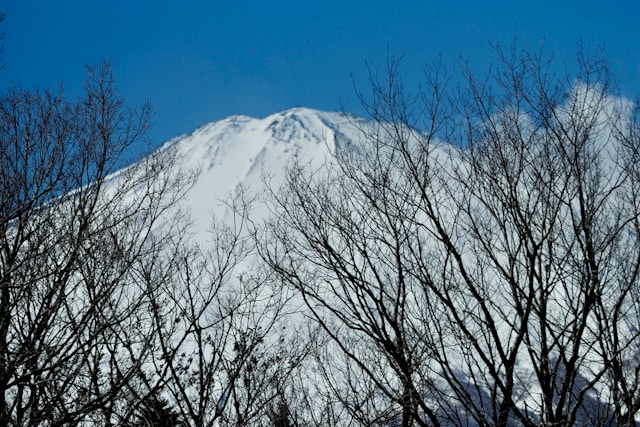
What is the Mt. Fuji Weather Forecast?
The Mt. Fuji weather forecast predicts temperature, precipitation, cloud cover, and wind conditions that determine whether the mountain will be visible. Winter months (November-February) offer the clearest conditions with visibility rates above 70%, while June's rainy season drops below 15%. Check our real-time Mt. Fuji visibility forecast for current conditions updated every 15 minutes.
Table of Contents
- Understanding Mt. Fuji Weather
- How Weather Affects Visibility
- Monthly Weather Breakdown
- Best Weather Conditions for Clear Views
- Where to Check Mt. Fuji Weather Forecast
- Frequently Asked Questions
- Planning Your Visit
Understanding Mt. Fuji Weather
Mt. Fuji's weather is notoriously unpredictable due to its unique geography. Standing at 3,776 meters as Japan's highest peak, the mountain creates its own microclimate that differs dramatically from surrounding areas. The temperature drops approximately 0.6°C for every 100 meters of elevation gain, meaning summit temperatures can be 23°C colder than Tokyo on the same day.
The Official Mt. Fuji Climbing website warns that weather conditions are never 100% predictable. Unexpected thunderstorms, rain downpours, and sudden temperature drops occur regularly. This unpredictability extends to visibility conditions at lower elevations where most visitors view the mountain.
What makes Mt. Fuji's weather particularly complex is the interaction between winds from Suruga Bay to the south and Sagami Bay to the east, combined with northern air currents. This creates unstable atmospheric conditions that can change within hours. The mountain holds Japan's record for highest wind speed at 91 m/s, recorded during a typhoon in 1966.
How Weather Affects Visibility
Understanding the relationship between weather and Mt. Fuji visibility helps you interpret forecasts effectively. Several factors determine whether you will see the mountain clearly.
Cloud Cover
Cloud cover is the primary factor affecting visibility. Low clouds at the base of the mountain completely obscure views, while high clouds may allow partial visibility. The best viewing locations around Lake Kawaguchiko sit at elevations where morning fog can lift to reveal stunning views.
Mid-level clouds present interesting conditions. Sometimes Mt. Fuji appears to float above a sea of clouds, creating memorable photography opportunities. Our photography guide covers techniques for capturing these dramatic scenes.
Humidity and Haze
High humidity reduces visibility even on technically clear days. Summer months combine heat and humidity to create haze that obscures distant views. This explains why seeing Mt. Fuji from Tokyo is much easier in winter despite Tokyo being 100 kilometers away.
Winter's dry air provides exceptional clarity. Visibility can exceed 100 kilometers on the clearest days, making distant observation points viable options.
Precipitation
Rain and snow obviously prevent clear views, but precipitation patterns affect visibility beyond active weather events. The day after rainfall often brings exceptionally clear conditions as precipitation cleans particulates from the atmosphere.
According to Mountain Forecast, Mt. Fuji receives significant precipitation year-round, with September being the wettest month at 286mm and December the driest at 103mm.
Monthly Weather Breakdown
Planning your visit requires understanding seasonal patterns. Here is what to expect throughout the year.
Winter (December-February)
Winter delivers the highest visibility rates, with clear days exceeding 70% of the time in December and January. Average temperatures at viewing locations like Kawaguchiko range from -3°C to 7°C. The mountain displays its iconic snow-capped appearance most consistently during these months.
| Month | Avg High | Avg Low | Precipitation | Visibility Rate |
|---|---|---|---|---|
| December | 9°C | -1°C | 103mm | 70%+ |
| January | 7°C | -3°C | 112mm | 70%+ |
| February | 8°C | -3°C | 120mm | 65%+ |
The trade-off is cold temperatures and shorter daylight hours. Our guide on the best time to see Mt. Fuji explains how to balance these factors.
Spring (March-May)
Spring brings cherry blossoms and improving temperatures but variable visibility. March remains relatively clear, while April and May see increasing cloud cover as temperatures rise.
| Month | Avg High | Avg Low | Precipitation | Visibility Rate |
|---|---|---|---|---|
| March | 12°C | 1°C | 160mm | 55% |
| April | 17°C | 6°C | 130mm | 45% |
| May | 21°C | 11°C | 140mm | 40% |
April offers the famous combination of cherry blossoms with Mt. Fuji in the background, though you may need multiple days to catch clear conditions.
Summer (June-August)
Summer presents the most challenging visibility conditions. June marks Japan's rainy season with visibility dropping below 15%. July and August improve slightly but humidity creates persistent haze.
| Month | Avg High | Avg Low | Precipitation | Visibility Rate |
|---|---|---|---|---|
| June | 24°C | 16°C | 220mm | 15% |
| July | 28°C | 20°C | 195mm | 25% |
| August | 30°C | 21°C | 210mm | 30% |
If visiting during summer, early morning offers your best opportunity before heat creates afternoon haze and thunderstorms develop.
Autumn (September-November)
Autumn visibility improves dramatically after September's typhoon season. October and November offer excellent conditions with comfortable temperatures and autumn foliage.
| Month | Avg High | Avg Low | Precipitation | Visibility Rate |
|---|---|---|---|---|
| September | 25°C | 17°C | 286mm | 35% |
| October | 20°C | 11°C | 180mm | 50% |
| November | 14°C | 3°C | 110mm | 65% |
November combines peak autumn colors with increasingly clear skies, making it an excellent time to visit.
Best Weather Conditions for Clear Views
Certain weather patterns reliably produce clear Mt. Fuji views. Learning to read these conditions helps you plan effectively.
High Pressure Systems
When a high pressure system sits over central Japan, expect excellent visibility. High pressure brings stable air, reduced cloud formation, and lower humidity. Weather forecasts showing "H" or high pressure centered near Mt. Fuji indicate prime viewing conditions.
Post-Storm Clarity
The 24-48 hours following a storm system often deliver exceptional visibility. Rain washes particulates from the atmosphere, and the departing system pulls moisture away. If you see rain in the forecast, plan your viewing for the following morning.
Morning Hours
Regardless of season, morning provides the best visibility window. The hours between 6-9 AM typically offer clearer views than afternoon for several reasons. Ground heating has not yet created thermal updrafts, humidity remains lower, and haze has not accumulated.
Check if Mt. Fuji is visible today using our real-time forecast that accounts for these hourly variations.
Temperature Inversions
Winter temperature inversions create spectacular viewing conditions. Cold air settles in valleys while warmer air sits above, trapping clouds below observation points. From elevated viewpoints like the Fuji Five Lakes region, the mountain appears crystal clear above a cloud sea.
Where to Check Mt. Fuji Weather Forecast
Multiple resources provide Mt. Fuji weather information, but not all forecasts are equally useful for visibility planning.
Visibility-Specific Forecasts
General weather forecasts show temperature and precipitation but do not directly predict visibility. Several sites specifically forecast Mt. Fuji visibility using meteorological models.
Our Mt. Fuji visibility forecast combines cloud cover, humidity, precipitation probability, and historical patterns to generate visibility scores updated every 15 minutes. The forecast extends 10 days ahead, helping you plan your visit. Our weather impact analysis breaks down how specific conditions (clear skies, light rain, heavy cloud cover) affect actual visibility scores.
For live visual confirmation, our Mt. Fuji visibility page also embeds 12 live webcam feeds so you can see conditions in real time.
Summit Weather Forecasts
If you need summit conditions for climbing or want to understand mountain weather, Mountain Forecast provides detailed predictions at multiple elevations including temperature, wind speed, and precipitation.
Official Japanese Sources
The Japan Meteorological Agency provides authoritative weather data for the region. Their forecasts feed into many visibility prediction services.
Planning Tomorrow's Visit
If you want to know the Mt. Fuji visibility tomorrow, check forecasts the evening before. Conditions can change, but evening forecasts for the following morning tend to be reasonably accurate within 12-24 hours.
Frequently Asked Questions
Is the Mt. Fuji weather forecast reliable?
Weather forecasts for the Mt. Fuji region are generally reliable 1-3 days ahead. Beyond that, accuracy decreases. For visibility specifically, our forecast uses multiple data sources and historical patterns to improve predictions. Always recheck forecasts the day before your planned visit.
What weather conditions guarantee Mt. Fuji will be visible?
No conditions guarantee visibility, but high pressure systems with low humidity and no precipitation forecast come closest. Winter mornings with temperatures below 10°C and clear skies offer the highest probability. Even then, localized clouds can form unexpectedly around the mountain.
How far in advance can I predict Mt. Fuji visibility?
Reliable visibility predictions extend 2-3 days at most. Weekly forecasts provide general guidance on weather patterns but should not be trusted for specific visibility planning. Check forecasts daily as your visit approaches and remain flexible if possible.
Why do general weather forecasts differ from visibility forecasts?
General weather forecasts focus on precipitation and temperature for populated areas. Visibility forecasts specifically model cloud formation, humidity, and atmospheric clarity at viewing elevations. A forecast showing "partly cloudy" might still mean excellent visibility if clouds are high, or poor visibility if clouds settle at mountain-base level.
Planning Your Visit
With Mt. Fuji weather forecast knowledge, you can maximize your chances of clear views.
Build in Flexibility
If possible, plan multiple potential viewing days. Even during favorable seasons, weather can shift unexpectedly. Having 2-3 possible viewing days dramatically increases your success rate.
Prioritize Morning
Schedule Mt. Fuji viewing for early morning regardless of season. Arrive at your chosen viewpoint before sunrise if photography is important. Afternoon visits should be your backup plan, not your primary strategy.
Have Backup Activities
Prepare alternative activities for poor visibility days. The Fuji Five Lakes region offers museums, hot springs, and local cuisine. If the mountain hides behind clouds, you can still enjoy the area while waiting for conditions to improve.
Layer Your Clothing
Mt. Fuji viewing often means early mornings in elevated areas. Temperatures can be significantly colder than nearby cities. Bring layers you can remove as the day warms.
In Summary
The Mt. Fuji weather forecast is your essential tool for planning a successful mountain viewing experience. Winter months offer the highest visibility rates above 70%, while summer's rainy season drops below 15%. Understanding how cloud cover, humidity, and precipitation affect visibility helps you interpret forecasts beyond simple sunny or cloudy predictions.
Morning hours between 6-9 AM consistently provide the clearest viewing conditions across all seasons. High pressure systems and post-storm clearing create optimal opportunities. While no forecast guarantees a clear view, checking visibility-specific predictions improves your odds significantly.
Use our real-time forecast alongside official weather resources to make informed decisions. Building flexibility into your travel plans and arriving early gives you the best chance of witnessing one of the world's most iconic mountain views.
Check Current Visibility
Ready to see if Mt. Fuji is visible right now?
Check Mt. Fuji Visibility - Real-time visibility score updated every 15 minutes.
Also explore visibility for Mt. Rainier in Seattle and Denali in Alaska.
More Articles
Paradise Mt Rainier: The Complete Visitor Guide for Every Season
Plan your trip to Paradise at Mt Rainier with trail details, parking tips, wildflower timing, and visibility forecasts.
How Far Is Mt. Rainier from Seattle? Distance, Drive Times, and Routes
Mt. Rainier is 59 miles from Seattle. Get drive times, routes to every entrance, and total trip costs.
Mount Rainier National Park Guide: Seasons, Areas and Odds
Mount Rainier National Park guide: fall 2026 closures, fees, the five park areas, and 10 years of cloud data on when you will actually see the mountain.