Mt. Fuji Visibility Tomorrow: How to Check the Forecast
Planning to see Mt. Fuji tomorrow? Check the Mt. Fuji visibility tomorrow forecast with our real-time predictions, best viewing times, and weather factors to watch.

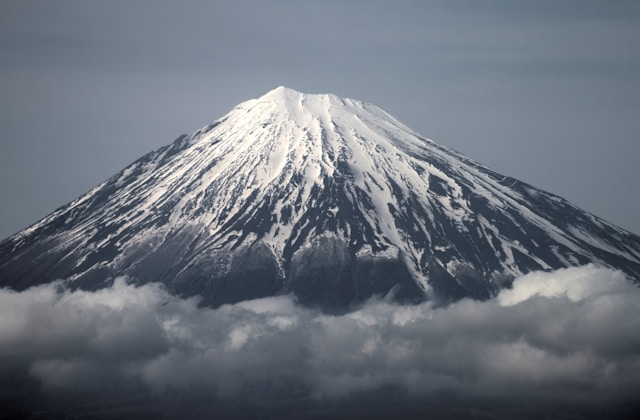
Will Mt. Fuji Be Visible Tomorrow?
Mt. Fuji visibility tomorrow depends on weather conditions including cloud cover, humidity, and precipitation. Check our real-time Mt. Fuji visibility forecast which shows predictions for the next 10 days, updated every 15 minutes. Morning hours between 6-9 AM JST typically offer the best visibility.
Table of Contents
- How to Check Mt. Fuji Visibility Tomorrow
- Understanding the Visibility Forecast
- Best Time Tomorrow to See Mt. Fuji
- Weather Factors Affecting Tomorrow's Visibility
- Planning Your Tomorrow Visit
- Frequently Asked Questions
How to Check Mt. Fuji Visibility Tomorrow
Checking Mt. Fuji visibility tomorrow is straightforward with the right tools. Our Mt. Fuji visibility forecast provides hourly predictions for the next 10 days, allowing you to see exactly when conditions will be best tomorrow.
To check tomorrow's visibility, visit our forecast page and scroll to the 10-day outlook. Each day shows a visibility score from 0-100, with higher scores indicating better viewing conditions. The hourly breakdown reveals which specific times tomorrow will offer the clearest views.
Our visibility scoring methodology analyzes multiple weather factors simultaneously. Rather than checking several weather apps, you get a single score that tells you whether Mt. Fuji will be visible tomorrow. A score above 70 means good conditions, while scores above 90 indicate excellent visibility.
The forecast updates every 15 minutes using real-time weather data. This means tomorrow's prediction becomes increasingly accurate as the day approaches. Check the forecast tonight before bed, then again in the morning to confirm conditions have not changed.
Understanding the Visibility Forecast
The Mt. Fuji visibility forecast uses a 0-100 scoring system to predict viewing conditions. Understanding what these scores mean helps you plan your tomorrow visit effectively.
| Score Range | Rating | What to Expect Tomorrow |
|---|---|---|
| 90-100 | Excellent | Crystal clear views, ideal photography |
| 70-89 | Good | Mountain clearly visible |
| 50-69 | Fair | Partially visible, some haze |
| Below 50 | Poor | Likely obscured by clouds |
When checking Mt. Fuji visibility tomorrow, pay attention to how the score changes throughout the day. Morning hours often show higher scores that decrease as humidity builds during the afternoon. The hourly forecast helps you identify the best window for viewing.
The forecast also shows individual weather factors. Tomorrow's cloud cover percentage indicates how much sky obstruction to expect. Humidity levels affect atmospheric clarity, with lower humidity producing sharper mountain views. Precipitation probability tells you whether rain or snow might interfere.
Compare tomorrow's forecast to today's visibility conditions to understand how weather patterns are changing. If today showed poor visibility but tomorrow's forecast improves significantly, cold front passage often creates these dramatic improvements.
Best Time Tomorrow to See Mt. Fuji
Timing matters significantly when planning to see Mt. Fuji tomorrow. Certain hours consistently offer better visibility than others.
Morning Hours (6-9 AM JST)
Early morning between 6-9 AM JST typically provides the best Mt. Fuji visibility tomorrow. Overnight cooling reduces atmospheric humidity and haze. The air is often clearest at sunrise before daytime heating begins.
If tomorrow's forecast shows good morning visibility, consider arriving at your viewing location before 7 AM. Popular spots like Lake Kawaguchiko become crowded later, and early arrival ensures both clear views and good positioning.
Late Morning Transition (9 AM - 12 PM)
Mid-morning conditions vary depending on weather patterns. On stable days, visibility remains good through late morning. However, if humidity is rising or clouds are building, views may deteriorate by noon.
Check the hourly forecast to see how tomorrow's visibility scores change through late morning. A steady score suggests conditions will hold, while dropping scores indicate you should prioritize earlier viewing.
Afternoon Considerations (12-5 PM)
Afternoon visibility tomorrow depends heavily on atmospheric conditions. Summer months often bring afternoon clouds and haze that obscure the mountain. Winter afternoons tend to maintain better clarity due to drier air.
The forecast shows whether tomorrow afternoon offers viewing opportunities. If scores remain above 70 into the afternoon, you have more flexibility in your schedule. Learn more about seasonal patterns in our guide to the best time to see Mt. Fuji.
Weather Factors Affecting Tomorrow's Visibility
Several weather elements determine whether Mt. Fuji will be visible tomorrow. Understanding these factors helps you interpret the forecast more effectively.
Cloud Cover
Cloud cover is the primary factor affecting Mt. Fuji visibility tomorrow. Even a few high-altitude clouds can obscure the summit while leaving lower areas clear. The forecast shows cloud cover as a percentage, with lower numbers indicating clearer conditions.
Tomorrow's cloud forecast reveals three levels: low clouds (below 2km), mid-level clouds (2-6km), and high clouds (above 6km). Mt. Fuji's summit reaches 3,776 meters, so mid-level and high clouds matter most for visibility.
Humidity and Atmospheric Haze
Humidity levels affect how clearly you can see Mt. Fuji tomorrow from distant viewpoints. High humidity creates atmospheric haze that reduces contrast and detail. Optimal viewing occurs when humidity drops below 60%.
Winter months typically offer lower humidity, which is why December through February provides the best Mt. Fuji viewing conditions. If tomorrow's forecast shows humidity above 70%, expect hazier views even without cloud cover.
Precipitation
Any precipitation tomorrow will likely prevent Mt. Fuji viewing. Rain, snow, or even drizzle typically means the mountain will be hidden. Check the hourly forecast to see if precipitation is expected and when it might clear.
Interestingly, the period immediately after rain often brings excellent visibility. Cold fronts wash away haze and leave crisp, clear air. If tomorrow follows today's rain, conditions could be exceptional.
Wind Patterns
Wind affects visibility by moving clouds and clearing atmospheric haze. Strong winds from the northwest typically bring clear, dry air to the Mt. Fuji region. The Japan Meteorological Agency provides detailed wind forecasts if you want additional data.
Planning Your Tomorrow Visit
With Mt. Fuji visibility tomorrow looking promising, proper planning maximizes your chances of great views.
Choosing Your Viewing Location
Select your viewing location based on tomorrow's forecast and your priorities. Lake Kawaguchiko offers classic reflected views if conditions are calm. Tokyo-based viewpoints work when visibility scores exceed 80 and you cannot travel far.
Our guide to Mt. Fuji viewing locations covers options from Kawaguchiko to Tokyo. For photography-focused visits, review our Mt. Fuji photography guide which explains optimal angles and settings.
If traveling from Tokyo, checking whether Mt. Fuji is visible from the city helps you decide whether a day trip to Kawaguchiko is worthwhile tomorrow.
Backup Plans
Even with a promising forecast, prepare alternatives in case conditions change. Weather predictions become more accurate closer to the target day, but surprises happen.
Consider activities near your viewing location that work regardless of visibility. The Fuji Five Lakes region offers museums, hot springs, and shopping. If Mt. Fuji hides behind clouds tomorrow, these alternatives prevent a wasted trip.
Accommodation Flexibility
If tomorrow's visibility looks excellent but uncertain, staying near Mt. Fuji provides flexibility. You can wake up early, check conditions, and quickly reach viewpoints if the mountain appears.
Kawaguchiko town offers numerous hotels and ryokans with potential Fuji views. Booking accommodation gives you multiple chances over morning and evening if visibility fluctuates throughout tomorrow.
What to Bring
Pack appropriately for tomorrow based on the forecast. Clear visibility days often mean cold temperatures, especially during early morning viewing. Layer clothing to handle temperature changes as the day warms.
Camera equipment benefits from early arrival and stable conditions. A tripod helps with low-light morning photography. Check sunset times if you plan to stay for afternoon alpenglow.
Frequently Asked Questions
How accurate is the Mt. Fuji visibility forecast for tomorrow?
Our forecast accuracy increases as the target day approaches. Tomorrow's prediction is generally reliable, especially for morning hours. The forecast updates every 15 minutes, so check again in the morning to confirm conditions have not changed overnight.
What visibility score should I look for tomorrow?
For clear views, look for scores above 70. Scores of 90+ indicate excellent conditions ideal for photography. If tomorrow shows scores between 50-70, the mountain may be partially visible but hazy. Below 50 typically means clouds will obscure the view.
Should I travel to Kawaguchiko if tomorrow's forecast is only "fair"?
Fair conditions (50-69) are worth the trip if you have flexibility. Views may be partial, but the mountain could clear temporarily. Kawaguchiko offers other attractions if visibility disappoints. However, if this is your only chance to see Mt. Fuji, waiting for a "good" or "excellent" forecast day is recommended.
What if tomorrow's forecast changes overnight?
Weather forecasts can shift, especially during transitional weather patterns. Check the forecast again tomorrow morning before departing. Our 15-minute updates reflect the latest conditions. If the forecast drops significantly overnight, consider postponing your visit.
Check Tomorrow's Visibility Now
Ready to see if Mt. Fuji will be visible tomorrow?
Check Mt. Fuji Visibility Forecast - Real-time predictions for tomorrow and the next 10 days, updated every 15 minutes.
Use the hourly breakdown to find the best viewing window tomorrow, and verify conditions with our live camera feeds to see current clarity.
Planning your Mt. Fuji trip?
Top-rated tours and transport from Tokyo to Fuji

Affiliate links: we may earn a commission at no extra cost to you.
More Articles
Northern Lights Tour: How to Choose One (and When to Skip It)
A northern lights tour can only fix two of the four things that decide whether you see aurora. Here is how to choose one, and when to skip it.
Northern Lights Alaska Tours: Which Base and Tour to Book
Northern lights Alaska tours compared: Fairbanks, Arctic Circle and Anchorage trips, 2026-27 prices, refund rules and 10 winters of clear-night odds.
Paradise Mt Rainier: The Complete Visitor Guide for Every Season
Plan your trip to Paradise at Mt Rainier with trail details, parking tips, wildflower timing, and visibility forecasts.