Mt Fuji Hike: What to Expect, Difficulty & First-Timer Tips
Planning your Mt Fuji hike? Learn what to expect on the trail, difficulty level for beginners, how to prevent altitude sickness, and tips for catching the legendary summit sunrise.
How difficult is the Mt Fuji hike?
The Mt Fuji hike is moderate to challenging, accessible for reasonably fit beginners with proper preparation. The most popular Yoshida Trail takes 6-7 hours to ascend and 4-5 hours to descend. The main challenges are the long duration, rocky terrain, and altitude effects above 3,000 meters rather than technical climbing difficulty.
A Mt Fuji hike represents one of Japan's most iconic experiences. Over 300,000 people successfully reach the 3,776-meter summit each year during the climbing season, including many first-time hikers. While demanding, the climb rewards preparation and patience with views unavailable anywhere else in Japan.
This guide covers everything first-timers need to know: what the hike actually involves, how difficult it really is, preventing altitude sickness, and the unforgettable experience of watching sunrise from Japan's highest peak.
Table of Contents
- What the Mt Fuji Hike Involves
- Difficulty Level: Honest Assessment
- The Goraiko Summit Sunrise Experience
- Altitude Sickness: Prevention and Response
- Preparing for Your Hike
- What to Expect on the Trail
- Frequently Asked Questions
- Planning Your Mt Fuji Hike
What the Mt Fuji Hike Involves
Understanding the Mt Fuji hike means knowing what you are actually signing up for. This is not a casual day walk, but neither does it require technical climbing skills.
The Basic Stats
| Aspect | Yoshida Trail (Most Popular) |
|---|---|
| Starting elevation | 2,305 meters (5th Station) |
| Summit elevation | 3,776 meters |
| Elevation gain | 1,471 meters |
| Distance | 7.5 km up, 7.6 km down |
| Ascent time | 6-7 hours |
| Descent time | 4-5 hours |
| Total hiking time | 10-12 hours |
Most hikers do not complete this in a single push. The standard approach involves starting in the afternoon, staying overnight at a mountain hut around the 7th or 8th station, then completing the summit push before sunrise.
The Trail Itself
According to Japan Guide, the climb does not require technical skills. The path consists of:
- Well-marked trails with clear signage
- Rocky volcanic terrain, increasingly steep near the summit
- Switchbacks that zigzag up the mountain
- Separate ascent and descent paths (on Yoshida Trail)
- Mountain huts every 30-60 minutes of hiking
You will be walking on volcanic rock, gravel, and occasional boulder sections. Proper hiking boots are essential, not for technical reasons but for ankle support and grip on loose surfaces.
The Station System
Mt Fuji uses a "station" system to mark progress. The 5th Station serves as the starting point for most hikers (you drive or bus here). Stations 6 through 9 mark intervals up the mountain, with the summit being the final destination.
Each station typically has:
- Mountain huts (for rest or overnight stays)
- Toilets (200-300 yen fee)
- Water and snack purchases
- Emergency assistance during climbing season
Difficulty Level: Honest Assessment
The Mt Fuji hike falls in the moderate to challenging category. Here is an honest breakdown of what makes it difficult and what makes it achievable.
Why It Is Challenging
Duration: The 10-12 hour total hiking time exceeds what most people walk in a typical month. Your body will be working for an extended period.
Altitude: Above 3,000 meters, the air contains approximately 30% less oxygen than at sea level. This affects everyone to some degree, regardless of fitness level.
Terrain: Loose volcanic rock requires constant attention to foot placement. The descent is particularly hard on knees.
Weather: Conditions change rapidly. You may start in sunshine and encounter fog, wind, or rain within hours.
Sleep deprivation: Overnight hut stays involve minimal sleep in crowded conditions before a pre-dawn summit push.
Why It Is Achievable
No technical skills required: You do not need climbing experience, ropes, or special training. The trail is a hike, not a climb.
Excellent infrastructure: The 17 mountain huts on the Yoshida Trail provide rest stops, food, toilets, and emergency support. First aid stations operate at the 7th and 8th stations during peak season.
Thousands succeed weekly: During climbing season, an average of 3,000-4,000 people per day reach the summit via the Yoshida Trail alone. The path is proven.
Flexible pacing: Unlike technical mountaineering, you control your pace. Walk slowly, rest frequently, and you dramatically improve your chances of success.
Who Can Do This Hike?
According to MyTokyoGuide, a beginner in reasonably good shape can absolutely climb Mt Fuji. You should be able to:
- Walk for 4-6 hours at a moderate pace
- Climb stairs for extended periods
- Function with limited sleep
- Handle cold temperatures and potential rain
Age is less important than fitness. Healthy people from teenagers to those in their 60s and 70s successfully complete the hike each year.
The Goraiko Summit Sunrise Experience
For many hikers, the summit sunrise, called "Goraiko," represents the true goal of the Mt Fuji hike. This experience combines physical achievement with spiritual significance.
What Is Goraiko?
"Goraiko" (ご来光) translates roughly to "the arrival of light" and refers specifically to sunrise viewed from mountain summits. The term originates from Buddhist tradition, where the phenomenon symbolizes enlightenment and divine blessing.
According to Magical Trip, Japanese tradition holds that witnessing Goraiko brings good luck and blessings for the entire year. For many Japanese climbers, this spiritual aspect motivates the challenging overnight ascent.
The Experience
Watching the sun rise from Japan's highest point creates a unique experience:
- The horizon glows orange and pink before sunrise
- The sun appears above a sea of clouds
- You stand above approximately 95% of Japan's atmosphere
- Your shadow projects dramatically onto clouds below
- Fellow climbers share the moment in contemplative silence
The view extends across the Kanto Plain on clear mornings, with distant mountain ranges and occasionally the Pacific Ocean visible.
Summit Sunrise Times (2026)
Plan your final ascent to arrive 30-45 minutes before these times:
| Date | Approximate Sunrise |
|---|---|
| July 1 | 4:30 AM |
| July 15 | 4:40 AM |
| August 1 | 4:50 AM |
| August 15 | 5:00 AM |
| September 1 | 5:15 AM |
From an 8th station mountain hut, the final push to the summit takes 1.5-2 hours. Factor this into your wake-up time.
Weather Reality
Goraiko is not guaranteed. Cloud cover can obscure the sunrise, and the summit may be socked in with fog. Check forecasts and understand that even a cloudy summit represents an achievement. Many hikers return multiple times before experiencing a clear Goraiko.
Altitude Sickness: Prevention and Response
Altitude sickness affects approximately 30% of Mt Fuji climbers to some degree. Understanding prevention and response can mean the difference between summit success and having to turn back.
Why It Happens
At Mt Fuji's summit (3,776m), the air contains only about 65% of the oxygen available at sea level. Your body needs time to adjust to this reduced oxygen, and rapid ascent does not allow adequate adjustment.
Importantly, altitude sickness is unrelated to fitness level. Elite athletes can suffer while sedentary individuals remain unaffected. Everyone is vulnerable.
Symptoms to Recognize
Mild symptoms:
- Headache
- Fatigue and weakness
- Dizziness
- Difficulty sleeping
- Loss of appetite
- Nausea
Severe symptoms (descend immediately):
- Persistent vomiting
- Severe headache not relieved by rest
- Confusion or disorientation
- Difficulty walking straight
- Shortness of breath at rest
Prevention Strategies
The official Mt Fuji climbing website recommends these prevention approaches:
Acclimatize at the 5th Station: Rest for 1-2 hours before starting your hike. This gives your body initial adjustment time at 2,305 meters.
Climb slowly: Walk at a conversational pace. If you cannot talk while walking, you are going too fast. Speed is the enemy of altitude adjustment.
Stay hydrated: Drink small amounts frequently, approximately every 10-15 minutes. Dehydration worsens altitude symptoms.
Breathe deliberately: Purse your lips and exhale fully, then inhale deeply. This conscious breathing increases oxygen intake.
Rest at a mountain hut: An overnight stay between the 7th and 8th stations allows your body additional acclimatization time at altitude.
Get adequate sleep beforehand: Arrive at Mt Fuji well-rested. Sleep deprivation worsens altitude susceptibility.
Avoid alcohol: Do not drink alcohol the day before or during your climb.
Avoid Bullet Climbing
"Bullet climbing" refers to ascending Mt Fuji in one continuous push without an overnight stop. Japanese authorities strongly discourage this practice because it dramatically increases altitude sickness risk.
Trail gates close from 2 PM to 3 AM, and only hikers with mountain hut reservations may pass during these hours. This policy specifically aims to prevent dangerous bullet climbing attempts.
If Symptoms Develop
The only cure for altitude sickness is descent. If mild symptoms appear:
- Stop ascending and rest
- Hydrate and eat if possible
- Practice deep breathing
- If symptoms improve after 30-60 minutes, proceed cautiously
- If symptoms persist or worsen, descend immediately
Do not push through severe symptoms hoping they will improve at higher altitude. They will not. Continuing upward with altitude sickness can be fatal.
Preparing for Your Hike
Successful Mt Fuji hikes begin weeks before you reach the 5th Station.
Physical Preparation
You do not need to be an athlete, but some preparation helps significantly:
4-6 weeks before:
- Begin regular walking, gradually increasing distance
- Include stair climbing in your routine
- If possible, hike local hills or mountains
Goal fitness level:
- Comfortable walking 3-4 hours continuously
- Can climb 50+ flights of stairs without excessive fatigue
- General cardiovascular health
Gear Checklist
Essential items for the Mt Fuji hike:
| Category | Items |
|---|---|
| Footwear | Hiking boots with ankle support |
| Clothing | Layering system (base, mid, outer) |
| Rain gear | Waterproof jacket and pants |
| Warmth | Fleece, down jacket, hat, gloves |
| Light | Headlamp with spare batteries |
| Hydration | 2-3 liters water capacity |
| Food | Energy bars, snacks |
| Protection | Sunscreen, sunglasses |
| Cash | For hut fees, toilet fees, purchases |
For complete gear details and current regulations, see our Mt Fuji climbing season guide.
Mountain Hut Reservations
Book your mountain hut as soon as reservations open (typically April-May for summer season). Popular huts at the 8th station, well-positioned for summit sunrise pushes, fill quickly.
Costs range from ¥7,000-15,000 depending on meals included. Reservations are required for entry between 2 PM and 3 AM due to bullet climbing restrictions.
What to Expect on the Trail
A typical two-day Mt Fuji hike unfolds like this:
Day 1: Afternoon Ascent
12:00-1:00 PM: Arrive at 5th Station, rest and acclimatize
2:00 PM: Begin hiking (after acclimatization period)
2:00-6:00 PM: Steady climb through stations 6-7, passing through increasingly rocky terrain
6:00-7:00 PM: Arrive at mountain hut (7th or 8th station), have dinner
8:00-9:00 PM: Attempt to sleep (challenging in crowded, noisy conditions)
Day 2: Summit Push and Descent
1:00-2:00 AM: Wake up, prepare for summit push
2:00-4:00 AM: Climb final section to summit (crowded, slow-moving)
4:30-5:00 AM: Arrive at summit, witness Goraiko sunrise
5:30-6:30 AM: Explore summit crater, visit post office, rest
7:00-11:00 AM: Descend to 5th Station
12:00 PM: Depart for Tokyo or Kawaguchiko
Trail Conditions
Expect these conditions on the Yoshida Trail:
- 6th to 7th Station: Gradual climb through scattered vegetation, well-maintained path
- 7th to 8th Station: Steeper terrain, rockier surface, mountain huts visible above
- 8th Station to summit: Most challenging section, zigzag switchbacks on loose volcanic rock, potential crowding during sunrise push
- Descent: Separate path with volcanic sand and gravel, hard on knees
Frequently Asked Questions
Can beginners hike Mt Fuji?
Yes. The Yoshida Trail is specifically accessible to beginners with reasonable fitness. No technical climbing skills are required. The key is proper preparation, appropriate pace, and willingness to turn back if altitude sickness develops.
How long does the Mt Fuji hike take?
A typical two-day itinerary involves 4-5 hours of hiking on day one (5th station to overnight hut), 2-3 hours for the summit push, and 4-5 hours for descent. Total hiking time is approximately 10-12 hours spread across two days.
Do I need a guide for Mt Fuji?
Guides are not required but can be valuable for first-timers. Guided tours handle logistics (hut reservations, transportation), provide equipment, ensure appropriate pacing, and offer support if problems arise. Independent hiking is manageable with thorough research.
What if I cannot reach the summit?
Turning back is not failure. Altitude sickness, weather, injury, or simple exhaustion are valid reasons to descend. The mountain will remain for future attempts. Approximately 30% of climbers do not reach the summit, and the experience of hiking Mt Fuji has value regardless of reaching the top.
Planning Your Mt Fuji Hike
The Mt Fuji hike requires advance planning, particularly for popular summer dates.
3-6 months before:
- Decide on dates within climbing season (July-September)
- Book mountain hut reservation
- Arrange transportation and accommodation near 5th Station
1 month before:
- Begin physical conditioning
- Acquire or rent gear
- Complete Shizuoka trail registration if applicable
Day before:
- Check weather forecasts
- Confirm hut reservation
- Get adequate sleep
- Pack all essentials
For viewing Mt Fuji without climbing, see our guides to viewing locations and day trips from Tokyo.
Check Conditions Before Your Hike
Planning to hike Mt Fuji? Check visibility conditions for your trip.
Check Mt Fuji Visibility - Real-time visibility score updated every 15 minutes.
Clear conditions at the summit make your Goraiko sunrise experience unforgettable.
Also explore visibility for Mt. Rainier in Seattle and Denali in Alaska.
Planning your Mt. Fuji trip?
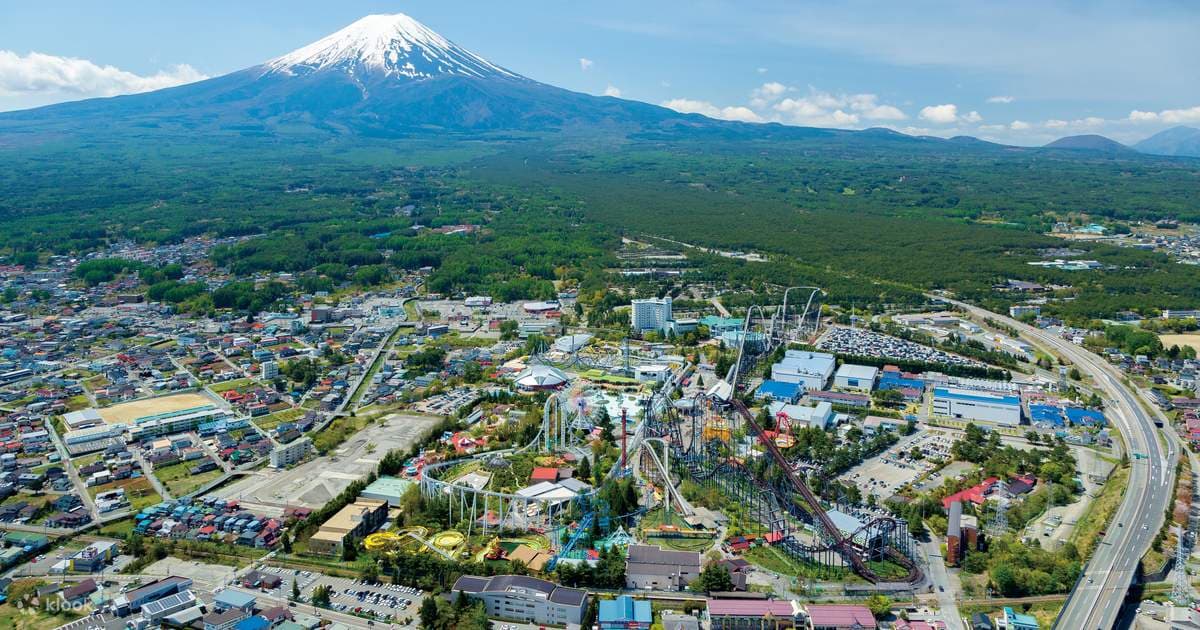
Top-rated tours and transport from Tokyo to Fuji
Affiliate links: we may earn a commission at no extra cost to you.
More Articles
Northern Lights Tour: How to Choose One (and When to Skip It)
A northern lights tour can only fix two of the four things that decide whether you see aurora. Here is how to choose one, and when to skip it.
Northern Lights Alaska Tours: Which Base and Tour to Book
Northern lights Alaska tours compared: Fairbanks, Arctic Circle and Anchorage trips, 2026-27 prices, refund rules and 10 winters of clear-night odds.
Paradise Mt Rainier: The Complete Visitor Guide for Every Season
Plan your trip to Paradise at Mt Rainier with trail details, parking tips, wildflower timing, and visibility forecasts.