Kawaguchiko Onsen: Hot Springs with Mt. Fuji Views You Can Time
Kawaguchiko onsen guide with day-use baths, ryokan picks, prices, and the visibility timing most visitors miss.


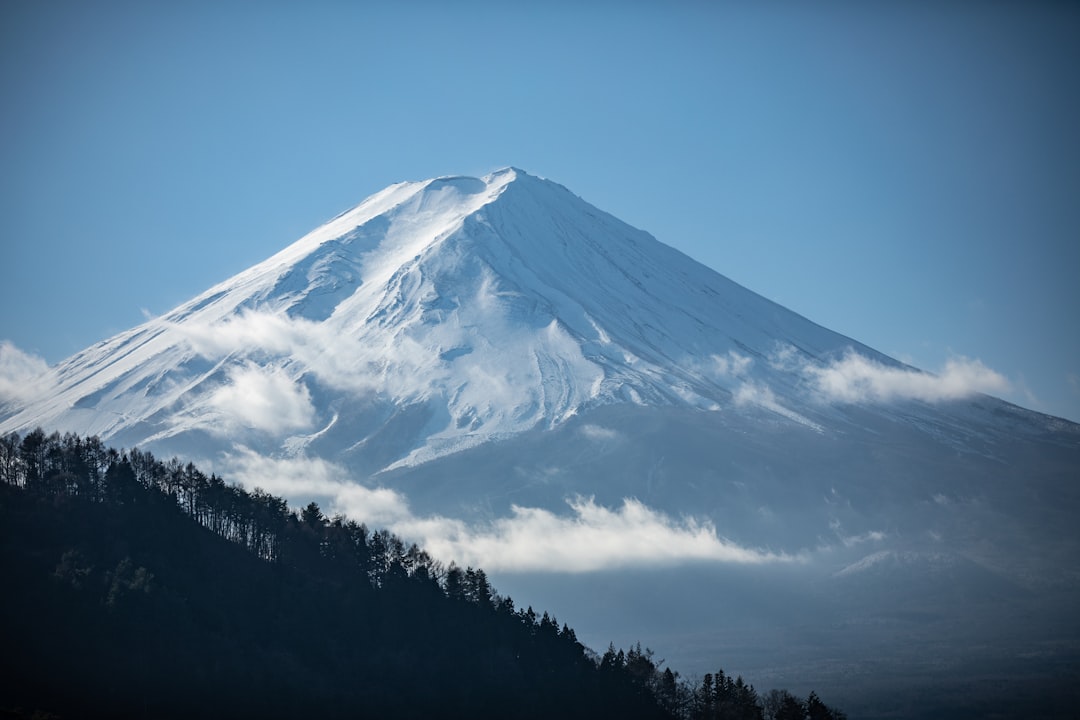
Kawaguchiko onsen sits on the northern shore of Lake Kawaguchi, one of the Fuji Five Lakes, at roughly 830 meters elevation. The hot spring district opened in 1992 after drilling tapped volcanic springs fed by the same magma chamber that powers Mt. Fuji itself. Today, more than 30 ryokan and hotels pipe this mineral-rich water into baths that face the mountain across the lake. The combination of steaming water and a snow-capped volcano framed by the opposite shore is the reason people come here.
Kawaguchiko onsen is a hot spring district on Lake Kawaguchi's north shore, fed by volcanic springs at 830m elevation. Over 30 ryokan and hotels offer mineral baths facing Mt. Fuji. Day-use prices range from 600 to 2,200 yen. The best soaking window is before 9:00 AM, when Fuji visibility peaks. Winter (December through February) delivers 70-80% clear morning views.
But here is the part that most onsen guides skip entirely: Mt. Fuji is only fully visible about 35% of daylight hours on an annual basis. Soak at the wrong time of day or the wrong month and you get a lovely bath with a view of clouds. Data from our weighted atmospheric model shows that timing your visit properly can more than double your odds of catching the mountain in full view. This guide covers the best Kawaguchiko onsen facilities, then does what nobody else does: connects your soak to actual Mt. Fuji visibility patterns.
Table of Contents
- Why Kawaguchiko Onsen Stands Apart
- Best Day-Use Kawaguchiko Onsen
- Top Ryokan with Private Onsen and Fuji Views
- When to Soak: Visibility Timing That Matters
- Season-by-Season Onsen Experience
- Onsen Etiquette and Practical Tips
- Getting to Kawaguchiko Onsen
- Frequently Asked Questions
Why Kawaguchiko Onsen Stands Apart
Kawaguchiko onsen is one of only a handful of hot spring districts in Japan where you can soak in naturally heated volcanic water while looking directly at an active stratovolcano. The water itself is a blend of chloride and sulfate springs, with most sources containing metasilicic acid. According to the Japan Onsen Association, this mineral profile is prized for its moisturizing effect on skin and is credited with relieving muscle pain, joint stiffness, and nerve fatigue.
Five distinct spring sources supply the district. The two original springs, Reisui and Fuyo, were the first tapped in the early 1990s. Underground temperatures are maintained by geothermal heat from Mt. Fuji's volcanic system, the same magma that last erupted in 1707 during the Hoei Eruption. The springs sit at a depth of roughly 1,500 meters.
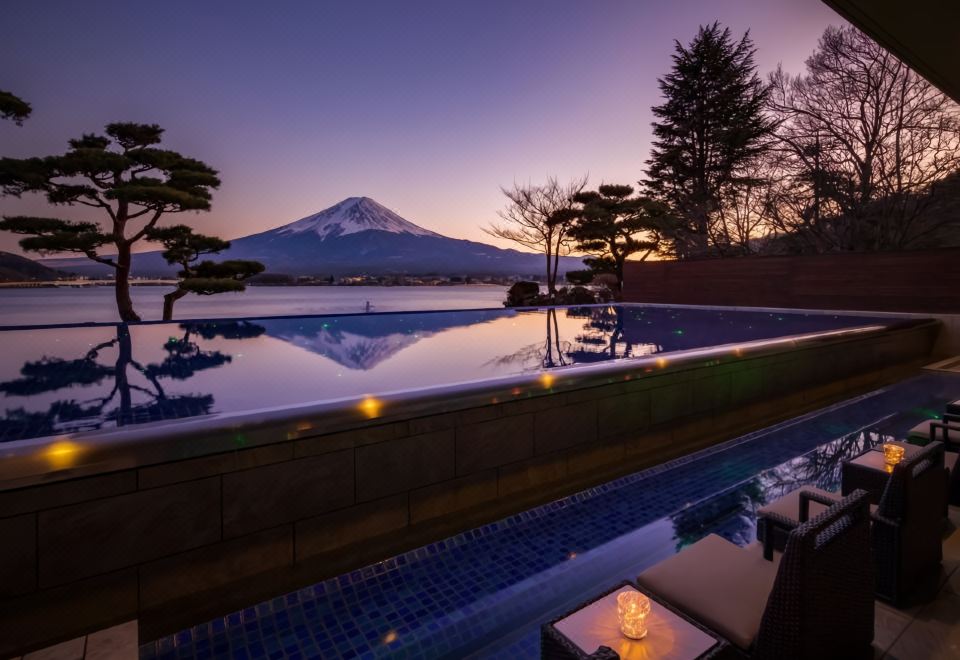
What separates Kawaguchiko from other Fuji-area hot spring towns is geography. The lake acts as a natural mirror. On clear mornings, the mountain reflects perfectly in the still water, and several baths are positioned so the reflection is visible from inside the tub. No other onsen district in the Fuji Five Lakes region offers this combination of proximity, sightline, and water quality.
Best Day-Use Kawaguchiko Onsen
Day-use onsen (higaeri onsen) let you experience Kawaguchiko's hot springs without booking a ryokan. These are the top options, ranked by the quality of their Mt. Fuji views.
Fuji Yurari (Fuji Chobo-no-Yu Yurari)
Fuji Yurari is the best day-use onsen in the Kawaguchiko area for Mt. Fuji views. It offers 16 different bath types, including two outdoor baths with direct, unobstructed panoramas of the mountain. The facility sits slightly elevated above the lake, giving the outdoor rotenburo a wider angle than most hotel baths.
| Detail | Info |
|---|---|
| Weekday price | 1,400 yen (1,300 yen with coupon) |
| Weekend/holiday price | 1,700 yen (1,600 yen with coupon) |
| Hours | 10:00 AM - 9:00 PM (weekdays), 10:00 AM - 10:00 PM (weekends) |
| Mt. Fuji view | Excellent, from outdoor baths |
| Access | Free shuttle from Kawaguchiko Station, ~20 min |
Towels and bath towels are included in the admission price. Private onsen rooms are bookable from around 2,500 yen per hour if you prefer a solo soak.
Fujiyama Onsen
Fujiyama Onsen is a modern bathhouse next to Fuji-Q Highland amusement park. The interior is built with traditional Japanese wooden beams, and the facility includes five indoor pools, an outdoor bath, and a sauna. Worth knowing: the baths themselves do not have a direct Mt. Fuji view, but the restaurant and rest area do.
| Detail | Info |
|---|---|
| Morning price | 800 yen (6:30 - 9:00 AM) |
| Weekday price | 1,600 yen |
| Weekend price | 2,000 yen |
| Hours | 6:30 - 9:00 AM, 10:00 AM - 11:00 PM |
| Mt. Fuji view | From restaurant only, not from baths |
The early morning session at 800 yen is an excellent deal if you are staying nearby and want to soak before heading to viewing spots.
Kaiun-no-Yu (Royal Hotel Kawaguchiko)
Kaiun-no-Yu is a quieter option on the southern shore of the lake. The water runs on the cooler side, making it comfortable for longer soaks. Two outdoor and two indoor baths are gender-separated.
| Detail | Info |
|---|---|
| Price | 1,000 yen (2-hour session) |
| Mt. Fuji view | Limited |
| Access | Omni Bus Red/Green Line, ~15 min from station |
Yoshinoike Onsen
A family-run bath that charges roughly 600 yen for a two-hour soak. Capacity is small (up to five people at a time), and the staff serve complimentary green tea and daikon after your bath. This is one of the few places in the area that is explicitly tattoo-friendly.
Top Ryokan with Private Onsen and Fuji Views
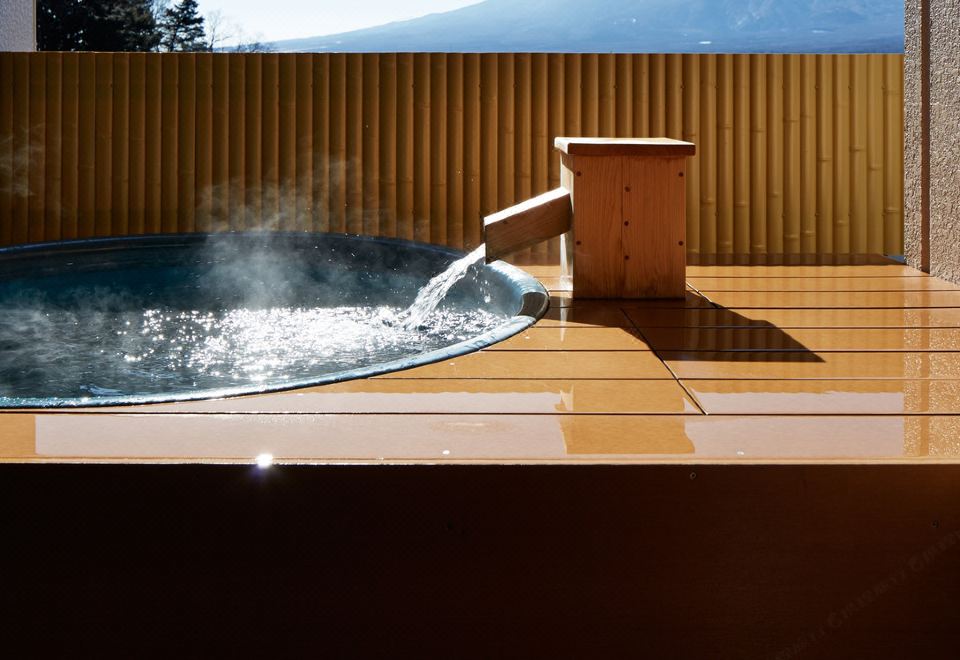
For the full Kawaguchiko onsen experience, an overnight ryokan stay with a private in-room bath (kashikiri-buro) facing the mountain is hard to beat. These are the properties with the best combination of water quality, Fuji views, and accessibility.
| Ryokan | Fuji View Rating | Private Onsen? | Walk from Station | Starting Price |
|---|---|---|---|---|
| Konansou | Exceptional, from every room | Yes | 10 min | ~25,000 yen/night |
| Shuhoukaku Kogetsu | All rooms face Fuji | Yes | Bus/pickup | ~30,000 yen/night |
| Ooike Hotel | Rooftop panorama bath | Yes | 15 min walk | ~20,000 yen/night |
| Fuji View Hotel | Quiet outdoor spring | Private available | Free pickup | ~22,000 yen/night |
| Kaneyamaen | Three-story bath, Japanese garden | Yes | Free pickup from Mt. Fuji Station | ~35,000 yen/night |
Konansou deserves special mention. Its lakeside position means the reflection of Fuji in the water is visible from the bath on calm mornings. Day-use bathing for non-guests costs 2,200 yen for adults.
Kaneyamaen's three-story open-air bath structure is unique in the region. Each level offers a different angle of the mountain, and the Japanese garden surrounding the facility adds to the atmosphere. If budget allows, this is the most immersive Kawaguchiko onsen experience available.
When to Soak: Visibility Timing That Matters
The best time to see Mt. Fuji from a Kawaguchiko onsen is early morning, before 9:00 AM. Visibility data from our Mt. Fuji forecast page shows that cloud cover builds consistently through the late morning as thermal convection lifts moisture off the lake and surrounding forests. By noon on most days, cumulus clouds obscure parts of the summit even during otherwise clear weather.
This creates a practical problem for day-use bathers: most facilities do not open until 10:00 AM. By then, the best window has already passed.
Your options:
- Fujiyama Onsen's early morning session (6:30 AM) puts you in the water during peak visibility hours, though the baths lack a direct Fuji view.
- Ryokan with in-room baths let you soak at dawn. This is the single biggest advantage of staying overnight. Roll out of your futon, slide open the window, and check whether Fuji is clear before you even fill the tub.
- Late afternoon, around 4:00 PM, offers a secondary visibility window on many days as evening cooling stabilizes the air. Sunset light on the snow cap is especially dramatic from west-facing baths.
If you are visiting specifically for the Mt. Fuji sunrise experience, booking a lakeside ryokan with an east-facing room lets you watch first light hit the summit while soaking in your private rotenburo.
Season-by-Season Onsen Experience
Each season at Kawaguchiko onsen delivers a fundamentally different experience. The table below breaks down what you get.
| Season | Fuji Visibility | Water Feel | Crowds | Experience |
|---|---|---|---|---|
| Winter (Dec-Feb) | 70-80% of mornings | Intensely satisfying in cold air | Low | Snow-capped Fuji, steaming baths, near-empty facilities |
| Spring (Mar-May) | 40-55% | Pleasant contrast | Moderate | Cherry blossoms at the lake, occasional clear spells |
| Summer (Jun-Aug) | 20-30% | Less contrast with warm air | High | Clouds dominate, evening soaks preferred |
| Autumn (Sep-Nov) | 45-65% | Cooling air improves the soak | Moderate-High | Fall foliage frames the view, early snow cap appears |
Winter is the ideal season for a Kawaguchiko onsen visit. This is the one claim that every local will back up. The combination of freezing air, steaming water, clear skies, and a fully snow-covered Fuji creates a scene you will not find anywhere else in Japan. Temperatures at the lake often drop below -5 degrees Celsius on January mornings, which means the contrast between the cold air on your face and the 40-degree water around your shoulders is extreme. Fuji's visibility rate climbs above 75% during the winter months, and the mountain frequently stays clear from dawn until late afternoon.
Summer is the weakest season for the view. Humidity and thermal convection keep Fuji hidden behind clouds most of the day. If you are visiting between June and August, soak in the evening and keep expectations realistic.
Spring brings the Shibazakura Festival to the area in April and May, and cherry blossoms line sections of the lakeshore. Visibility is inconsistent but rewarding when it clears.
Onsen Etiquette and Practical Tips
Japanese onsen follow a strict set of customs. Violating them will draw stares and, in some cases, get you asked to leave.
Before entering the bath:
- Wash and rinse your entire body at the shower stations. This is not optional.
- Remove all clothing. Swimwear is not worn in traditional onsen.
- Tie long hair up so it does not touch the water.
In the bath:
- Keep your small hand towel on your head or on the edge of the tub. Never submerge it.
- Enter the water slowly and quietly.
- Do not splash, swim, or talk loudly.
Tattoo policies vary. Most traditional onsen and large ryokan still prohibit visible tattoos. If you have tattoos, your best options are Yoshinoike Onsen (explicitly welcoming), private kashikiri-buro rooms at major ryokan (bookable even without an overnight stay, typically 3,000-5,000 yen for 45-60 minutes), or Fuji Yurari, which permits small tattoos covered with waterproof patches.
Bring your own toiletries to budget facilities. Mid-range and higher places provide shampoo, conditioner, and body wash. Fuji Yurari includes towels in the admission fee, but smaller baths like Yoshinoike do not.
Getting to Kawaguchiko Onsen
Kawaguchiko's onsen district sits within a few kilometers of Kawaguchiko Station, the main transit hub for the Fuji Five Lakes region.
From Tokyo, the fastest option is the Fuji Excursion direct train from Shinjuku (1 hour 55 minutes, 4,060 yen one-way). Highway buses from Shinjuku Bus Terminal take roughly 2 hours and cost around 2,200 yen each way. Both drop you at Kawaguchiko Station.
From Kawaguchiko Station to the onsen, most ryokan offer free pickup. Day-use facilities like Fuji Yurari run free shuttle buses. The Omni Bus sightseeing loop (Red Line and Green Line) connects the station to bath facilities along the lake in 15-20 minutes. A single ride costs 170 yen. The two-day unlimited pass (1,500 yen) is worth it if you plan to visit multiple spots.
If you are combining the onsen with a day trip to the 5th Station or a hike in Aokigahara, plan the onsen for the end of the day. Soaking after a hike is the traditional Japanese approach, and the late afternoon visibility window often cooperates.
Frequently Asked Questions
Can you do a day trip to Kawaguchiko onsen from Tokyo?
Yes. The round trip from Shinjuku takes about 4 hours by bus or train, leaving 4-6 hours at the lake. A morning departure (before 7:00 AM) gives you the best shot at seeing Fuji clearly. Check the live visibility forecast the night before to decide whether the trip is worth it.
Are Kawaguchiko onsen tattoo-friendly?
Most traditional facilities prohibit visible tattoos. Tattoo-friendly exceptions include Yoshinoike Onsen and private bath rentals (kashikiri-buro) at most major ryokan. Fuji Yurari allows small tattoos if covered with waterproof patches.
What is the best Kawaguchiko onsen for Mt. Fuji views?
Fuji Yurari offers the best Mt. Fuji views from a day-use facility, with two outdoor baths providing direct panoramas. For ryokan stays, Konansou and Shuhoukaku Kogetsu both position their baths for head-on views of the mountain across the lake.
How much does a Kawaguchiko onsen visit cost?
Day-use facilities range from 600 yen (Yoshinoike) to 2,200 yen (Konansou day-use). Ryokan overnight stays with private onsen start around 20,000 yen per person per night including dinner and breakfast. Budget day-use soaks with towels and all amenities average about 1,500 yen.
Before you book, check live conditions on our mountain visibility trackers: Mt. Fuji, Mt. Rainier, and Denali.
More Articles
Kawaguchiko from Tokyo: Transport, Timing, and the View Most Visitors Miss
How to get to Kawaguchiko from Tokyo by bus, train, or car, plus the timing trick that decides whether you see Mt. Fuji.
Best Time to See Mt. Fuji: A Complete Visibility Guide
Planning to see Mt. Fuji? Learn the best months, times of day, and weather conditions for clear views of Japan's iconic mountain.
Lake Yamanaka: Mt. Fuji's Closest Lake and the Fuji Five Lakes' Best-Kept Secret
Lake Yamanaka is the largest and highest of the Fuji Five Lakes, with unmatched Mt. Fuji views, cycling, and Diamond Fuji.