Mt Fuji in Winter: Best Season for Clear Views & What to Do
Winter offers the best Mt Fuji visibility with 50-68% clear days. Discover why December to February is ideal for viewing, plus winter events, activities, and planning tips.

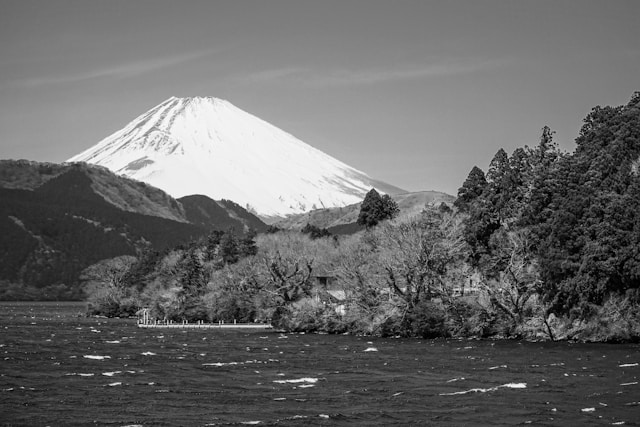
Is winter the best time to see Mt Fuji?
Yes, winter is by far the best season for Mt Fuji visibility. December offers a 68% chance of clear views, while January and February maintain rates of 50-65%. Cold, dry air from Siberia eliminates the humidity and haze that obscure the mountain during warmer months, creating crisp, unobstructed views of the iconic snow-capped peak.
Mt Fuji in winter presents the mountain at its most photogenic. The snow-capped summit against clear blue skies creates the classic image that has inspired artists for centuries. While summer visitors struggle with humidity, clouds, and haze, winter travelers enjoy dramatically higher success rates for clear mountain views.
Beyond visibility, winter around the Fuji Five Lakes offers unique experiences unavailable during other seasons: lakeside fireworks reflecting off calm waters, illuminated ice festivals, and the chance to see "Diamond Fuji" as the sun sets perfectly behind the summit. This guide covers why winter is optimal for Mt Fuji viewing and how to make the most of a winter visit.
Table of Contents
- Why Winter Offers the Best Visibility
- Monthly Breakdown: December to February
- Winter Weather and What to Expect
- Winter Events and Festivals
- Best Viewing Locations in Winter
- Things to Do Around Mt Fuji in Winter
- Frequently Asked Questions
- Planning Your Winter Visit
Why Winter Offers the Best Visibility
The dramatic difference in Mt Fuji visibility between summer and winter comes down to atmospheric conditions. Understanding these factors helps you appreciate why timing your visit matters so much.
The Science Behind Winter Clarity
Several factors combine to make winter the optimal viewing season:
Dry Siberian air: High-pressure systems from Siberia push cold, dry air over Japan during winter months. This air holds far less moisture than summer's humid Pacific airflow, eliminating the haze that obscures distant views.
Reduced humidity: Summer humidity in Japan often exceeds 80%, creating atmospheric haze visible even on technically "clear" days. Winter humidity drops significantly, allowing light to travel farther without scattering.
Lower pollution levels: Cold, stable winter air patterns reduce the particulate matter that accumulates in warmer months. The result is sharper contrast and cleaner sightlines.
Snow-capped peak: Mt Fuji's iconic snow cap, present from late November through early May, creates the classic silhouette most visitors hope to photograph. The white summit against blue skies offers unmatched visual impact.
Visibility Comparison by Season
| Season | Visibility Rate | Conditions |
|---|---|---|
| Winter (Dec-Feb) | 50-68% | Best visibility, snow cap, dry air |
| Spring (Mar-May) | 40-50% | Good early, declining with humidity |
| Autumn (Sep-Nov) | 35-45% | Improving after summer |
| Summer (Jun-Aug) | 15-25% | Rainy season, high humidity, haze |
According to LIVE JAPAN, December offers the highest probability of clear Mt Fuji views, with full visibility on approximately 68% of days. Compare this to summer months where visibility drops below 25%.
Monthly Breakdown: December to February
Each winter month offers excellent viewing conditions with subtle differences worth considering.
December
December typically provides the highest visibility rates of any month, reaching approximately 68% for full visibility. The combination of the recently arrived snow cap, holiday atmosphere, and festive illuminations makes December particularly appealing.
December conditions:
- Visibility rate: ~68% full, 19% partial
- Average high: 9°C (48°F)
- Average low: -1°C (30°F)
- Daylight: ~10 hours
The holiday season brings special events to the region, including illuminations and early winter fireworks. December 31 offers the chance to watch the first sunrise of the new year (Hatsuhinode) over Mt Fuji, a significant tradition in Japan.
January
January maintains excellent visibility rates of 55-65%, with the coldest temperatures of the year ensuring dry, clear air. The Kawaguchiko Winter Fireworks begin in late January, offering spectacular displays against the mountain backdrop.
January conditions:
- Visibility rate: 55-65%
- Average high: 7°C (45°F)
- Average low: -3°C (27°F)
- Daylight: ~10 hours
January offers fewer tourists than December, making it ideal for photography without crowds. The Lake Saiko Ice Festival begins in late January, adding unique viewing opportunities.
February
February rounds out winter with visibility rates around 50-60%. While slightly lower than December and January, February still dramatically outperforms warmer months. The month features "Diamond Fuji" opportunities when the setting sun aligns perfectly with the summit.
February conditions:
- Visibility rate: 50-60%
- Average high: 8°C (46°F)
- Average low: -3°C (27°F)
- Daylight: ~11 hours (increasing)
The Ice Candles & Sky Lantern Festival at Lake Yamanaka on February 23 coincides with prime Diamond Fuji viewing conditions.
Winter Weather and What to Expect
Winter around Mt Fuji brings cold temperatures that enhance visibility but require proper preparation.
Temperature Ranges
The Fuji Five Lakes region sits at higher elevation than Tokyo, resulting in noticeably colder conditions:
| Location | Daytime High | Nighttime Low |
|---|---|---|
| Kawaguchiko (Jan-Feb) | 4-6°C (39-43°F) | -5°C (23°F) |
| Tokyo (Jan-Feb) | 9-10°C (48-50°F) | 1-2°C (34-36°F) |
| Mt Fuji Summit | -7°C (19°F) | -15°C (5°F) |
According to Mountain Forecast, summit temperatures can drop to -20°C or below with strong winds. While you won't be climbing in winter (trails are closed), understanding the mountain's conditions helps explain why the snow cap persists and visibility improves.
What to Wear
Pack for temperatures significantly colder than Tokyo:
- Base layer: Thermal underwear top and bottom
- Mid layer: Fleece or down jacket
- Outer layer: Wind-resistant coat
- Accessories: Warm hat, gloves, scarf
- Footwear: Insulated, waterproof boots with good traction
Early morning viewing (optimal for visibility) means starting your day in sub-freezing conditions. Wind chill near the lakes can make temperatures feel 5-10°C colder than readings suggest.
Snowfall
The Kawaguchiko area occasionally receives snow, though significant accumulation is uncommon. Snow on the ground can enhance photography with beautiful foreground elements. Check forecasts before traveling, as snow may affect transportation.
The mountain itself maintains its snow cap throughout winter, typically from late November through early May. This creates the iconic white-capped profile visible in most photographs.
Winter Events and Festivals
Winter around Mt Fuji features special events that combine mountain views with cultural experiences.
Kawaguchiko Winter Fireworks 2026
The highlight of winter visits, the Kawaguchiko Winter Fireworks illuminate the lake with Mt Fuji as backdrop.
2026 dates: January 24 - February 23, Saturdays and Sundays only
Details:
- Time: 8:00 PM - 8:20 PM
- Locations: Oike Park (main venue), Tatamiiwa, Yagizaki Park
- Admission: Free
- Duration: 20 minutes per show
The winter air produces exceptionally vivid fireworks colors, and calm lake waters create mirror-like reflections. Arrive early to secure viewing spots, especially at the main Oike Park venue.
Lake Saiko Ice Tree Festival 2026
The Lake Saiko Ice Festival transforms trees into frozen sculptures illuminated at night.
2026 dates: January 31 - February 11
Details:
- Location: Saiko Wild Bird Forest Park
- Hours: 9:00 AM - 4:00 PM (illuminations at night)
- Admission: Free
Natural ice formations on trees create otherworldly landscapes, particularly striking when illuminated after dark.
Diamond Fuji
"Diamond Fuji" occurs when the sun sets directly behind Mt Fuji's summit, creating a diamond-like sparkle. This phenomenon is visible from specific locations during specific date ranges.
Best Diamond Fuji viewing:
- Lake Yamanaka: Mid-February (around Feb 16 and Oct 26)
- Lake Kawaguchiko: Varies by exact location
The Ice Candles & Sky Lantern Festival at Lake Yamanaka on February 23 celebrates this phenomenon with illuminations and fireworks.
Best Viewing Locations in Winter
Our comprehensive guide to Mt Fuji viewing locations covers year-round options, but several spots shine particularly in winter.
Lake Kawaguchiko
The most accessible viewing destination offers multiple winter advantages:
- Northern shore provides unobstructed views across calm winter waters
- Less crowded than during autumn colors or cherry blossom seasons
- Multiple fireworks viewing spots during the festival period
- Hotels with Fuji-view rooms let you check conditions without going outside
Chureito Pagoda
The famous Chureito Pagoda viewpoint offers exceptional winter conditions:
- Highest visibility rates coincide with winter months
- Snow occasionally dusts the pagoda for rare photo opportunities
- Far fewer crowds than cherry blossom or autumn seasons
- Clear air produces sharp, high-contrast images
Arrive before sunrise for the best light and smallest crowds. The 398-step climb warms you up against morning chill.
Lake Yamanaka
The largest of the Fuji Five Lakes offers Diamond Fuji opportunities in mid-February and hosts the Ice Candles festival. Views from the northern shore show Fuji reflecting in still waters on calm winter mornings.
Things to Do Around Mt Fuji in Winter
Beyond viewing the mountain, winter offers unique activities throughout the region.
Onsen (Hot Springs)
Nothing complements cold-weather Fuji viewing like soaking in natural hot springs. The region offers numerous options:
- Fujiyama Onsen: Near Kawaguchiko Station, convenient after a day of sightseeing
- Yurari: Large facility with indoor and outdoor baths, some with Fuji views
- Ryokan private baths: Many traditional inns offer rooms with private Fuji-view baths
Fujiten Snow Resort
Ski and snowboard at the base of Mt Fuji at Fujiten Snow Resort. The resort features:
- Gentle slopes suitable for beginners
- Kids' park and sledding areas
- Mt Fuji views while skiing
- Snow play areas for non-skiers
Mt Fuji Panoramic Ropeway
Ascend Mount Tenjo in three minutes for panoramic views over Lake Kawaguchiko and Mt Fuji. Winter's clear air produces exceptional long-range visibility from the observation deck at 1,075 meters.
Oshino Hakkai
This traditional village features eight crystal-clear spring ponds fed by Mt Fuji's snowmelt. Winter offers clearer water and fewer tourists than summer, with occasional snow creating picturesque scenes.
Hikari no Sumika Illumination
At Tokinosumika resort in Gotemba Kogen, approximately 5.5 million lights create one of Japan's most impressive illumination displays. The event features a 20-meter Mt Fuji-inspired tree and a 300-meter tunnel of light.
Frequently Asked Questions
Is it too cold to visit Mt Fuji in winter?
Winter temperatures require proper clothing but are manageable for most visitors. Daytime highs around 4-6°C (39-43°F) are comfortable with layers. The reward of dramatically improved visibility justifies the cold. Many indoor attractions and hot springs provide warming breaks.
Can you climb Mt Fuji in winter?
No. The Mt Fuji climbing season runs only from July to early September. Winter climbing requires technical mountaineering skills and is extremely dangerous. The mountain is closed to general hikers during winter months. Instead, enjoy viewing from the surrounding lakes and viewpoints.
When exactly does Mt Fuji get its snow cap?
The snow cap typically appears in late November and persists until early May, though exact timing varies by year. Throughout winter, the cap remains consistent, providing the iconic white-topped silhouette. Occasionally, unusual weather patterns delay or reduce snow coverage.
What if it's cloudy during my winter visit?
Even with winter's improved odds, clouds can still obscure Mt Fuji. Check the real-time visibility forecast before and during your visit. If morning conditions are poor, weather often clears by afternoon or the following day. Staying overnight in the region provides multiple viewing opportunities.
Planning Your Winter Visit
A successful winter Mt Fuji trip combines strategic timing with practical preparation.
Recommended Itinerary
Day 1:
- Morning: Depart Tokyo, arrive Kawaguchiko by 10 AM
- Midday: Northern shore viewpoints, Panoramic Ropeway
- Afternoon: Chureito Pagoda (arrive by 3 PM for sunset light)
- Evening: Winter fireworks (weekends only during festival)
Day 2:
- Early morning: Sunrise viewing (best visibility window)
- Morning: Lake Yamanaka or Oshino Hakkai
- Afternoon: Onsen, return to Tokyo
For a day trip from Tokyo, arrive early to maximize morning visibility and allow time for multiple viewpoints.
Booking Tips
- Reserve Fuji-view hotel rooms well in advance, especially for fireworks weekends
- Check visibility forecasts before finalizing travel dates if flexible
- Book return transportation early on festival days when crowds increase
What to Bring
- Camera with extra batteries (cold drains power quickly)
- Tripod for early morning/low light photography
- Hand warmers for extended outdoor viewing
- Sunglasses (snow glare can be intense)
Check Current Visibility
Ready to see Mt Fuji in its winter glory?
Check Mt Fuji Visibility - Real-time visibility score updated every 15 minutes.
Winter offers your best chance for clear views. Plan your visit when conditions are optimal.
Also explore visibility for Mt. Rainier in Seattle and Denali in Alaska.
More Articles
Northern Lights Tour: How to Choose One (and When to Skip It)
A northern lights tour can only fix two of the four things that decide whether you see aurora. Here is how to choose one, and when to skip it.
Northern Lights Alaska Tours: Which Base and Tour to Book
Northern lights Alaska tours compared: Fairbanks, Arctic Circle and Anchorage trips, 2026-27 prices, refund rules and 10 winters of clear-night odds.
Paradise Mt Rainier: The Complete Visitor Guide for Every Season
Plan your trip to Paradise at Mt Rainier with trail details, parking tips, wildflower timing, and visibility forecasts.