Wonder Lake Denali: Iconic Reflection Views and 2026 Access Guide
Wonder Lake Denali has the park's most iconic mountain reflection, but the road is closed past Mile 43. What to know before visiting in 2026-2027.
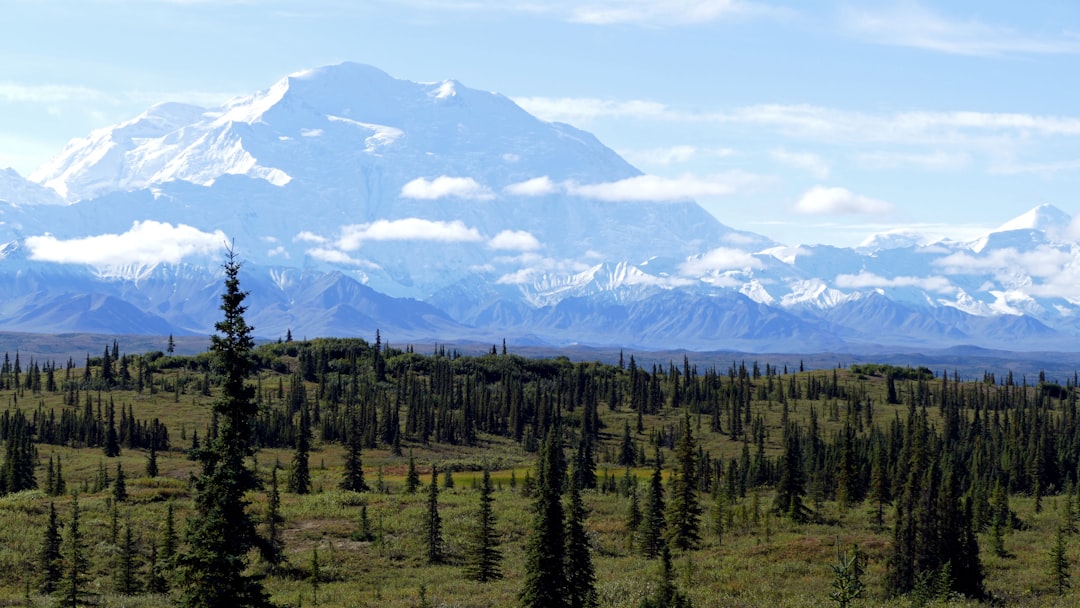
Wonder Lake Denali is the single most photographed spot in Denali National Park, and for good reason. From its shore, North America's tallest peak rises 20,310 feet almost straight out of the tundra, mirrored in still water when the wind and clouds cooperate. This is the view Ansel Adams made famous. It is also the view that, right now, you cannot actually reach by bus.
That contradiction is the most important thing to understand about Wonder Lake before you plan a trip. So let's start there, then cover what makes the lake worth all the effort once the road reopens.
Can You Visit Wonder Lake in Denali Right Now?
No. As of the 2026 season, you cannot reach Wonder Lake by transit bus. The Denali Park Road is closed to all vehicle traffic at Mile 43 because of the Pretty Rocks landslide, a slow-moving permafrost failure that severed the road in August 2021. Wonder Lake sits at Mile 85, roughly 42 miles beyond the closure.
The park is building a bridge, called the Polychrome bridge, to span the failing slope. Crews launched the structure across the gap in fall 2025, and construction is expected to wrap by mid-summer 2026. But finishing the bridge is not the same as reopening the road to visitors. According to the park's Polychrome Area Plan, buses will not resume service to Eielson Visitor Center (Mile 66), Wonder Lake (Mile 85), or Kantishna (Mile 92) during the 2026 season. Wonder Lake Campground is closed for 2026, and full bus service to the western end of the road is expected to return in 2027.
Here is what that means in practice:
- 2026: No bus, no camping, no road access to Wonder Lake. Visitors can travel the road only to Mile 43. Flightseeing tours from Talkeetna still overfly the area.
- 2027 (expected): Full transit and camper bus service to Wonder Lake and Kantishna resumes, pending final construction and inspection.
If you are dreaming of the classic reflection shot, plan for 2027 or later, and confirm the current status on the NPS Current Conditions page before you book anything. In the meantime, you can still watch the mountain from afar through the Wonder Lake air-quality camera and other feeds covered in our Denali webcams guide.
What Makes Wonder Lake Denali Special
Wonder Lake is the closest you can get to Denali by road, which is exactly why it matters. From the lake's northern shore, the summit is only about 26 miles away, close enough that the mountain fills the sky rather than sitting as a distant bump on the horizon. No other drive-up viewpoint in the park frames Denali this dramatically.
The lake itself is a landform worth understanding. It is Denali's largest road-accessible lake, roughly 3.5 miles long, a mile wide, and up to 280 feet deep. It is a kettle lake, gouged out by the Muldrow Glacier around 14,000 years ago. When the glacier retreated, a buried chunk of ice melted in place and left a deep basin that filled with meltwater. That depth is part of why the surface can turn glass-smooth on a calm morning, producing the mirror reflections the spot is known for.
The Ansel Adams Connection
Wonder Lake earned its place in photographic history in the summer of 1948, when Ansel Adams shot "Mount McKinley and Wonder Lake" during a Guggenheim expedition through Alaska. He chose it as print number one in his landmark Portfolio One. For decades no one knew exactly when he tripped the shutter. Then astronomer Donald Olson used the position of the moon and the mountain's shadows to pin the exposure to 3:42 a.m. on July 15, 1948, deep in the pale light of the Alaskan summer night.
That detail is not just trivia. It tells you the best light at Wonder Lake comes at hours that feel impossible anywhere else, when the sun skims the horizon rather than setting. More on that below.
Reflection Pond vs. Wonder Lake
One common point of confusion: the postcard reflection image most people picture is often taken from Reflection Pond, a small kettle pond near Mile 85.3, not from the main body of Wonder Lake itself. Reflection Pond is smaller and more sheltered, so its surface goes still more easily. Both sit within a short walk of each other near the end of the road, and both deliver the mountain-over-water composition when conditions align.
Seeing Denali From Wonder Lake: The Visibility Reality
Reaching Wonder Lake does not guarantee you will see Denali. The mountain hides behind its own weather roughly 60 to 70 percent of the time, and only about 30 percent of park visitors catch a clear view on any given day. Denali is so massive it manufactures local clouds, wringing moisture out of Pacific air and wrapping the summit even when the lowlands are bright.
That is the cruel math of a 12-hour bus ride to the end of the road: you can invest a full day and still see nothing but grey. The way to shift the odds in your favor is to treat visibility as something you forecast, not something you hope for. Our Denali visibility forecast turns cloud cover, humidity, wind, and precipitation into a single score from 0 to 100 using a weighted atmospheric model, updated every 15 minutes. A score above 70 means good odds; above 90, the mountain is almost certainly out.
The smartest approach pairs that forecast with a live look before you commit. The solar-powered air-quality webcam at Wonder Lake points straight at the peak and archives high-resolution images all summer, so you can see current conditions at the lake even when you cannot reach it. It is the same forecast-plus-camera method serious mountain watchers use for Mt. Rainier weather in Washington and for checking whether Mt. Fuji is visible today in Japan.
Best Time to Visit Wonder Lake
The season for Wonder Lake runs from late May to mid-September, and within that window the timing decisions matter more than most visitors expect.
Best month: September, narrowly over June. July and August are the warmest but also the cloudiest and rainiest, and they carry the added risk of interior-Alaska wildfire smoke that washes out the view even on nominally clear days. Early September brings drier, more stable air and a higher percentage of crisp, clear mornings, at the cost of shorter days and colder nights.
Best time of day: very early morning. Clouds build as the sun heats the tundra through the day, so the window between roughly 5 a.m. and 9 a.m. Alaska time gives you the highest chance of a fully exposed summit. This is also when the water is most likely to be calm enough to reflect.
Use the midnight sun. Near the June solstice, Wonder Lake gets close to 24 hours of usable light, and the sun rides low across the northern sky for hours. That is what let Ansel Adams shoot at 3:42 a.m. The mountain's north face catches alpenglow both late in the evening and again before dawn, and Wonder Lake is the perfect foreground for it.
Bring serious mosquito protection. The NPS is blunt that mosquitoes are "a major nuisance most of the summer" around Wonder Lake. Head net, long sleeves, and repellent are not optional. The one upside of a breezy day is that wind keeps the mosquitoes down, even if it also ripples the reflections.
The tundra around the lake is also rich wildlife habitat. Moose, caribou, otters, and a wide range of birds all frequent the area, and grizzly sightings along the road are common on the way out.
Getting to Wonder Lake: The Transit Bus
When the road is open, the only way to reach Wonder Lake is by park bus. Private vehicles are not allowed past Mile 15 (Savage River) in summer, so everyone rides the green non-narrated transit buses or a camper bus.
Plan for a full day. A round trip to Wonder Lake runs about 12 to 13 hours, including stops and wildlife pauses. During peak season the first buses leave the visitor center around 5:15 a.m., which is the departure you want if you are chasing morning light and clear skies. You can hop off and back on along the route, so many visitors break the ride with a short hike or a stop at a viewpoint.
Because the trip is so long and the lake is so remote, reservations are essential when service is running. Book the earliest departure you can, pack layers and food, and go in with realistic expectations: the ride is spectacular in its own right, with sweeping tundra, braided rivers, and frequent wildlife, whether or not the summit shows.
Camping at Wonder Lake
Wonder Lake Campground, at Mile 85, is the crown jewel of Denali's campgrounds and the only way to be at the lake for both evening and early-morning light. It has 28 tent-only sites, no RVs, reached by camper bus rather than private car. Staying overnight is the single best strategy for actually seeing the mountain, because it gives you multiple sunrises and sunsets to catch the brief clear window instead of gambling everything on one bus day.
Two caveats. First, the campground is closed for the 2026 season along with the rest of the road beyond Mile 43, with a return expected in 2027. Second, sites here are coveted and the season is short, so once bookings reopen you will want to reserve as far ahead as possible through the park's official reservation system. Details and current availability live on the Wonder Lake Campground page.
Frequently Asked Questions
Can you drive to Wonder Lake in Denali?
No. Private vehicles are not permitted past Mile 15 of the Denali Park Road in summer, so Wonder Lake at Mile 85 is reached only by park transit or camper bus. And as of 2026, the road is closed to all traffic at Mile 43 because of the Pretty Rocks landslide, so no vehicle of any kind can currently reach the lake. Full access is expected to return in 2027.
Why is it called Wonder Lake?
The name is generally attributed to early prospectors and surveyors who came upon the lake and "wondered" at both its size and its setting beneath the mountain. The park's official materials focus on the lake's geology and views rather than a documented naming event, so the exact origin is more folklore than record.
How far is Wonder Lake from the Denali park entrance?
Wonder Lake is at Mile 85 on the Denali Park Road, about 85 miles from the entrance area. By bus that is roughly a six-hour ride each way, or 12 to 13 hours round trip with stops, which is why most visitors either camp overnight or commit to a very long day.
Can you see Denali from Wonder Lake?
Yes, when the weather cooperates. Wonder Lake offers the closest road-accessible view of the summit, about 26 miles away, with the mountain reflected in the water on calm days. But Denali is only fully visible around 30 percent of the time, so checking the Denali visibility forecast and the Wonder Lake webcam before your trip meaningfully improves your odds.
The Bottom Line
Wonder Lake Denali rewards the effort like few places in North America: the tallest peak on the continent, doubled in still water, lit by a sun that barely sets. But it is not a spontaneous stop. Between the current road closure, the 12-hour bus commitment, and a mountain that hides most days, seeing it at its best takes planning and a bit of luck.
Time your visit for 2027 or later once the road reopens, aim for early September mornings or the June midnight sun, camp at the lake if you can, and let the live Denali visibility tools tell you which day to be there. Get all of that right, and you will understand exactly why Ansel Adams got up at 3:42 in the morning.