Kawaguchiko Village: Where Traditional Japan Meets Mt. Fuji Views
Explore Kawaguchiko village, its traditional neighborhoods, thatched-roof museums, and the best spots for clear Mt. Fuji views.

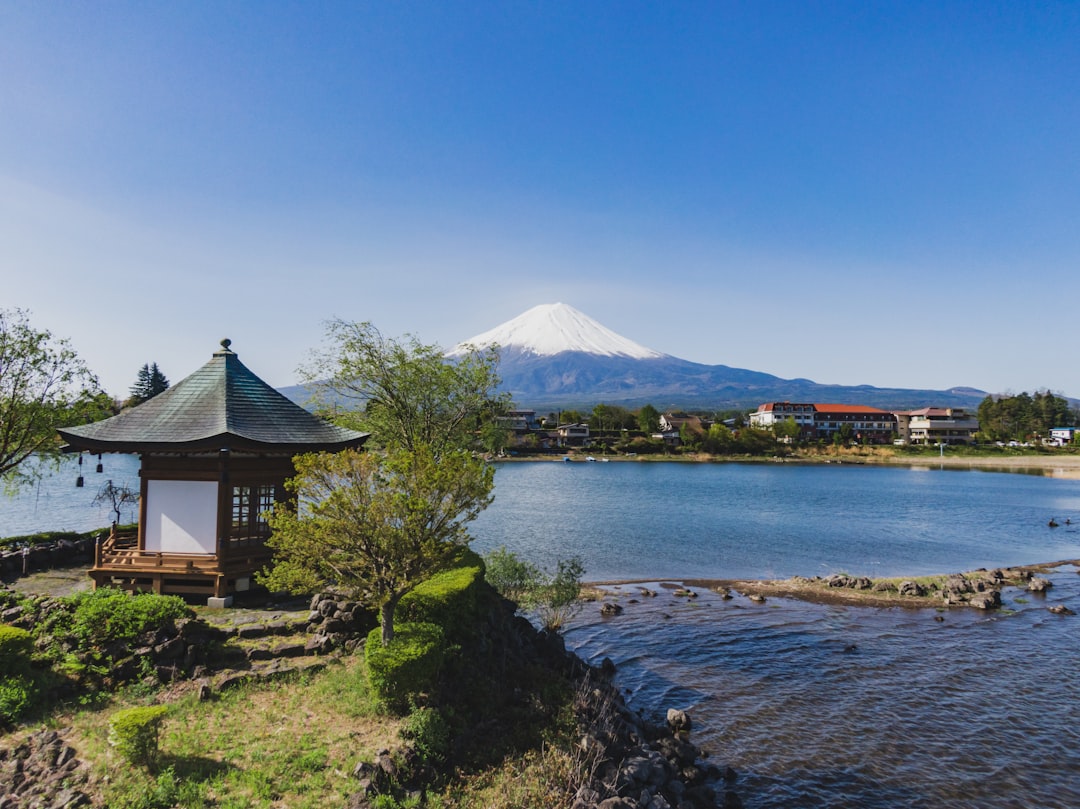
Kawaguchiko village is one of those rare places where a single turn in the road reframes your entire trip. You round a corner, the lake opens up, and there it is: Mt. Fuji filling the southern sky. The town of Fujikawaguchiko (formed in 2003 when the old Kawaguchiko, Katsuyama, and Ashiwada villages merged) sits at 830 meters elevation on the northern shore of Lake Kawaguchi, putting it closer to the summit than any other major settlement in the Fuji Five Lakes region.
But Kawaguchiko village is more than a viewpoint. Thatched-roof hamlets, crystal-clear spring ponds, shrines dating back centuries, and a hot spring district fed by the same volcanic system that built the mountain all sit within a 30-minute bus ride of Kawaguchiko Station. This guide covers the distinct villages and neighborhoods that make up the area, what each one offers, and the timing detail most guides leave out: when the mountain is actually visible from each spot.
Kawaguchiko village at a glance: Fujikawaguchiko is a lakeside town of 26,000 residents at 830 meters elevation on the northern shore of Lake Kawaguchi. It includes several distinct neighborhoods and satellite villages, with thatched-roof Iyashi-no-Sato, the spring-fed ponds of Oshino Hakkai, and a north shore lined with onsen ryokan. Mt. Fuji is visible roughly 35% of daylight hours, with the best odds before 9:00 AM.
The Villages Inside Kawaguchiko Village
Fujikawaguchiko is a town of about 26,000 people spread across 158 square kilometers. The area most visitors think of as "Kawaguchiko village" is really several distinct neighborhoods and satellite villages, each with a different character.
Kawaguchiko Station area is the commercial center. Hotels, restaurants, souvenir shops, and the sightseeing bus hub cluster around the eastern shore. It is functional, not charming. Most visitors pass through here but shouldn't linger.
The north shore is where things get interesting. Walking across the Kawaguchiko Ohashi bridge puts you on the quieter side of the lake, with unobstructed Fuji views framed by water in the foreground. Oishi Park and the Natural Living Center line this stretch with seasonal flower displays. Late June through early July brings lavender fields backed by the mountain.
Saiko village (along Lake Saiko, the next lake west) is home to Iyashi-no-Sato Nenba, the reconstructed thatched-roof hamlet that draws photographers from around the world. More on that below.
Oshino village, 30 minutes east by bus, centers on Oshino Hakkai, a cluster of eight sacred spring-fed ponds. The water originates as snowmelt on Mt. Fuji, filters through porous lava for roughly 20 years, then surfaces impossibly clear.
Iyashi-no-Sato: The Thatched-Roof Kawaguchiko Village
Saiko Iyashi-no-Sato Nenba is the most photogenic settlement in the Fuji Five Lakes region. Twenty rebuilt kayabuki (thatched-roof) houses line the western shore of Lake Saiko, each converted into a craft workshop, gallery, or small museum. The original village was destroyed by a typhoon-triggered landslide in 1966. Reconstruction began decades later, with 11 houses opening in 2006 and the full 20 ready by 2009.
The appeal is the framing. Several houses are positioned so that Mt. Fuji rises directly behind them, and on clear mornings the composition looks like a woodblock print come to life. If you are serious about capturing this scene, our Mt. Fuji photography guide covers lens choices and optimal lighting windows. Pottery, incense-making, and weaving workshops offer hands-on experiences inside the houses themselves.
Admission is 500 yen for adults. The Retro Bus green line from Kawaguchiko Station takes about 40 minutes, running roughly twice per hour. A 2-day sightseeing bus pass covering all three lines costs 1,500 yen and is worth it if you plan to visit both Iyashi-no-Sato and the north shore attractions.
Plan for one to two hours at the village itself. But here is the part that matters: visit in the morning. Fuji visibility from this western vantage drops off fast after midday as convective clouds build. Visibility data from our weighted atmospheric model shows morning hours (before 10:00 AM) deliver clear views roughly twice as often as afternoon hours between May and October.
Oshino Hakkai: Springs, Snacks, and Crowds
Oshino Hakkai is a set of eight spring-fed ponds in the small village of Oshino, positioned between Lake Kawaguchiko and Lake Yamanaka. The water is stunningly transparent, filtered through Mt. Fuji's lava layers over approximately 20 years before surfacing here. In 2013, the ponds were designated part of Mt. Fuji's UNESCO World Heritage Site.
The village itself is free to explore. A small museum (Hannoki Bayashi Shiryokan) charges 300 yen for entry. Stalls along the main path sell grilled mochi, buckwheat noodles, and tofu made with the local spring water.
The catch? Oshino Hakkai has become one of the most crowded spots in the region. Tour buses from Tokyo arrive by mid-morning and the narrow lanes fill quickly. If you want the contemplative experience the springs deserve, arrive before 9:00 AM or visit on a weekday. The bus from Kawaguchiko Station takes about 25 minutes.
The Lawson Barrier and Overtourism in Kawaguchiko Village
In May 2024, Fujikawaguchiko erected a 2.5-meter-high black screen across the street from a Lawson convenience store on the south side of the station area. The reason: a specific camera angle from that sidewalk made it look like Mt. Fuji was sitting on top of the store's blue-and-white roof, and the resulting Instagram fame drew crowds that blocked traffic, harassed residents, and left trash on side streets.
The original barrier came down three months later after a typhoon raised safety concerns. By August 2025, a new brown barrier at 1.4 meters replaced it, low enough to allow photos but high enough to keep pedestrians out of the road.
This story matters for visitors because it reflects a genuine tension in Kawaguchiko village today. The town's population of 26,000 hosts millions of tourists annually, and the pressure is concentrated in a few spots. Understanding this context makes you a better visitor. Skip the Lawson photo spot. Walk ten minutes north to the lakeshore, where the views are better anyway and the locals don't resent your presence.
Timing Your Visit for Kawaguchiko Village Views
The single biggest factor in whether Kawaguchiko village delivers the Mt. Fuji experience you are imagining is timing. Not the season (though that matters). The time of day.
Mt. Fuji is fully visible from the Kawaguchiko area only about 35% of daylight hours annually. That number skews heavily toward early morning. Before 9:00 AM, visibility rates run 15 to 20 percentage points higher than afternoon readings. The mountain generates its own weather: as the sun heats the slopes, moist air rises, condenses, and wraps the summit in cloud by midday. You can check current conditions on our live Mt. Fuji visibility page before heading out.
Best seasons for views
| Season | Visibility | Notes |
|---|---|---|
| Winter (Dec-Feb) | Best | Cold, dry air. 70-80% of mornings clear. Snow on the summit. |
| Autumn (Oct-Nov) | Very good | Crisp air, fall colors. Fewer tourists than spring. |
| Spring (Mar-May) | Good | Cherry blossoms mid-April. Haze increases toward May. |
| Summer (Jun-Sep) | Poorest | Humidity and afternoon thunderstorms. Pre-dawn windows only. |
If your trip falls in summer, set an alarm. The best morning viewing hours are between 5:00 and 7:00 AM, when the air is coolest and driest. By 10:00 AM, your odds drop significantly.
For autumn visitors, November pairs the clearest skies of the year with smaller crowds. The Momiji Tunnel along the north shore explodes in red and gold maples with Fuji as a backdrop. For a deeper dive into seasonal planning, see our guide on the best time to see Mt. Fuji.
Getting Around the Villages
Kawaguchiko Station is the transit hub. From Tokyo, a direct highway bus or the Fuji Excursion train gets you here in under two hours. Once in the area, three sightseeing bus lines cover the key villages:
- Red Line loops around Lake Kawaguchiko's north and east shores (Oishi Park, Panoramic Ropeway, Music Forest)
- Green Line runs to Lake Saiko and Iyashi-no-Sato
- Blue Line extends west to Lake Shoji and Lake Motosu
The 2-day all-line pass at 1,500 yen is the most practical option. Buses run every 15 to 30 minutes depending on the line and season.
Cycling is the other option. Rental bikes are available near the station for roughly 1,000 to 1,500 yen per day, and a paved path runs most of the way around Lake Kawaguchi. The full loop is about 20 kilometers, doable in two to three hours with stops. Electric-assist bikes make the gentle hills effortless.
Where to Stay for the Best Views
Staying overnight dramatically improves your Fuji viewing odds. Day-trippers from Tokyo typically arrive between 10:00 AM and noon, right when visibility starts dropping. Overnight guests get the golden window: pre-dawn and early morning, when the air is still and the mountain stands in full view.
The north shore has the highest concentration of Kawaguchiko onsen ryokan with Fuji-facing rooms. Soaking in a volcanic hot spring while watching sunrise light creep down the mountain is the defining experience of this area. Day-use baths start at 600 yen for budget-conscious visitors.
For a quieter base, consider Saiko village near Iyashi-no-Sato. Fewer tourists, lower prices, and the same mountain views from a different angle. Oshino village also has small guesthouses for those who want to experience the spring ponds without the crowds.
Frequently Asked Questions About Kawaguchiko Village
Is Kawaguchiko village worth visiting? Yes. Kawaguchiko village combines lakeside scenery, traditional architecture, volcanic hot springs, and some of the closest Mt. Fuji views you can get without climbing. Staying overnight gives you the early morning window when the mountain is most likely to be clear.
How long should I spend in Kawaguchiko village? One full day covers the highlights if you start early, but two days is better. A single day lets you visit either Iyashi-no-Sato or Oshino Hakkai plus the north shore. Two days lets you do both, with time for an onsen soak and a morning lakeside walk when Fuji is most visible.
Can I see Mt. Fuji from Kawaguchiko village? Mt. Fuji is visible from the Kawaguchiko area roughly 35% of daylight hours annually. Your best odds are before 9:00 AM, especially in winter and autumn. Check the live visibility page before heading out.
How do I get from Tokyo to Kawaguchiko village? The fastest options are the direct highway bus (about 1 hour 45 minutes from Shinjuku) or the JR Fuji Excursion limited express train (about 2 hours). See our full Kawaguchiko from Tokyo guide for schedules and pricing.
Making the Most of Kawaguchiko Village
The villages around Lake Kawaguchi reward visitors who slow down. Rather than checking off a list of attractions in a single rushed day trip, pick one or two areas and give them time. Iyashi-no-Sato in the morning fog. Oshino Hakkai before the tour buses. The north shore at sunset, when the crowds thin and the water goes glass-still.
Check current Mt. Fuji visibility before you head out. Then, whether the mountain shows itself or hides behind clouds, the villages themselves are worth the trip. The springs, the thatched roofs, the hot water, the hoto noodles. Fuji is the backdrop. The villages are the story.
More Articles
Kawaguchiko Station: Tokyo Trains, Buses and Fuji Access
Plan your arrival at Kawaguchiko Station: compare Tokyo trains and buses, understand rail-pass coverage, and arrange local travel and your return.
Kawaguchiko Onsen: Day-Use Baths and Fuji-View Ryokan
Compare Kawaguchiko day-use onsen and overnight ryokan, with room-view advice for Konansou and Kogetsu and booking tips for a Fuji stay.
Kawaguchiko from Tokyo: Transport, Timing, and the View Most Visitors Miss
How to get to Kawaguchiko from Tokyo by bus, train, or car, plus the timing trick that decides whether you see Mt. Fuji.