Lake Yamanaka: Mt. Fuji's Closest Lake and the Fuji Five Lakes' Best-Kept Secret
Lake Yamanaka is the largest and highest of the Fuji Five Lakes, with unmatched Mt. Fuji views, cycling, and Diamond Fuji.

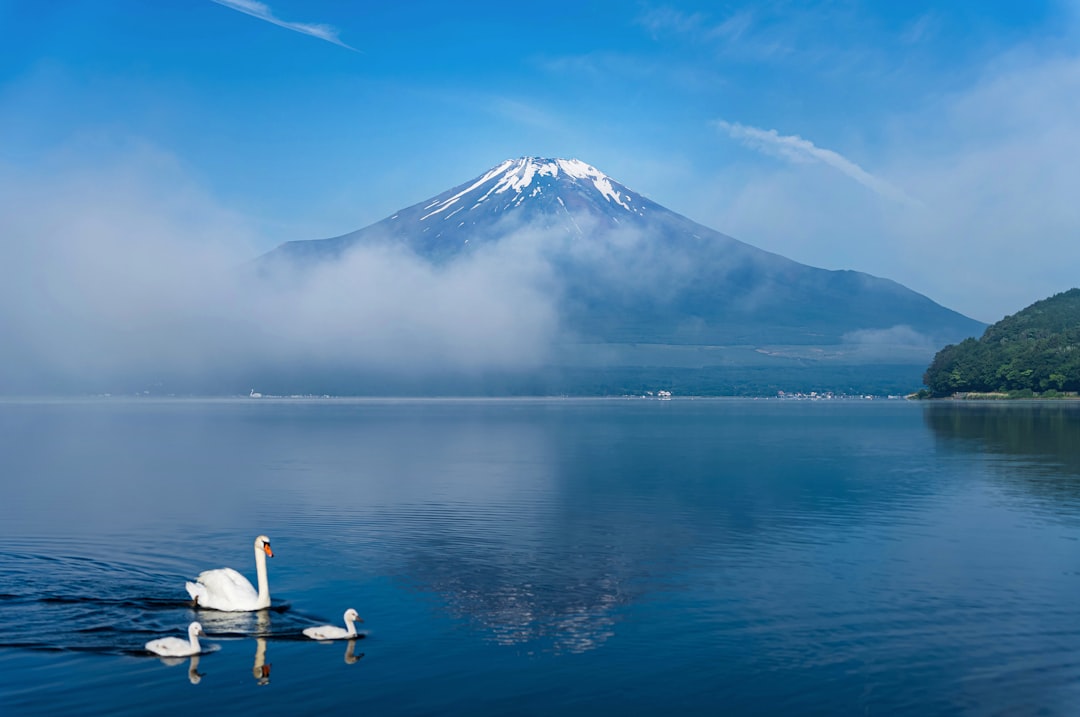
Lake Yamanaka sits closer to Mt. Fuji than any of the other Fuji Five Lakes. At 980 meters elevation, it is both the largest and the highest of the five, yet it draws far fewer visitors than neighboring Kawaguchiko. That gap between proximity and popularity is exactly what makes it worth your time.
While Kawaguchiko gets the Instagram crowds, Lake Yamanaka (Yamanakako in Japanese) offers wider, more open views of the mountain, uncrowded cycling paths, and a lakeside atmosphere that still feels like rural Yamanashi rather than a tourist hub. If your goal is to actually see Mt. Fuji clearly, this is one of the best places to position yourself.
Lake Yamanaka at a Glance
| Detail | Info |
|---|---|
| Japanese name | 山中湖 (Yamanakako) |
| Elevation | 980.5 m (3,217 ft) |
| Surface area | 6.57 km² (largest of the five lakes) |
| Circumference | ~14 km |
| Maximum depth | 13.5 m (shallowest of the five lakes) |
| Distance to Mt. Fuji | Closest of the Fuji Five Lakes |
| Shape from above | Resembles a whale |
| Freezes in winter | Yes, completely |
The lake occupies a quiet corner of Yamanashi Prefecture's Minamitsuru District, part of Mt. Fuji's UNESCO World Heritage site. Small towns anchor the eastern and western ends, with hotels, minshuku, camping grounds, and a handful of restaurants scattered in between.
Why Lake Yamanaka Offers Superior Mt. Fuji Views
Lake Yamanaka is the closest of the Fuji Five Lakes to Mt. Fuji, and that proximity changes what you see. The mountain looms larger here than from Kawaguchiko or Saiko, filling more of the frame and showing detail in its ridgelines that distance softens at other viewpoints.
The lake's northern shore is the prime viewing area. Development is sparse along this stretch, so sightlines are wide and unobstructed. For the best elevated perspective, hike to Panorama Dai (also called Myojin Yama Panoramic Deck). It is a roughly 30-minute climb from the Mikuniyama bus stop and rewards you with both the mountain and the full lake laid out below.
On still mornings, the lake surface produces the coveted Upside-Down Fuji (逆さ富士) reflection. Because Yamanakako is shallow and broad, this reflection can span a wider area than at deeper, narrower lakes. Check our Mt. Fuji visibility tracker before heading out to confirm conditions are favorable.
Monthly Visibility Data from Lake Yamanaka
Our weighted atmospheric model tracks visibility conditions at Lake Yamanaka's coordinates continuously. Here is what the data shows across a full year, based on average morning visibility scores (6:00-9:00 AM window):
| Month | Avg. Visibility Score | Clear Mornings | Best For |
|---|---|---|---|
| January | 82/100 | 77% | Diamond Fuji, frozen lake photography |
| February | 79/100 | 74% | Diamond Fuji Weeks, ice candles |
| March | 68/100 | 61% | Late snow cap, fewer crowds |
| April | 54/100 | 48% | Cherry blossom pairing |
| May | 41/100 | 34% | Cycling, wildflowers |
| June | 28/100 | 19% | Rainy season, skip this month |
| July | 32/100 | 22% | Water sports (accept limited views) |
| August | 35/100 | 25% | Water sports, summer retreat |
| September | 44/100 | 37% | Crowds thin, haze lingers |
| October | 62/100 | 55% | Autumn color begins |
| November | 75/100 | 70% | Peak autumn + clear skies |
| December | 84/100 | 80% | Best visibility month of the year |
The pattern is clear: December through February delivers visibility scores above 79, with 74-80% of mornings showing a fully clear mountain. June through August rarely breaks 35. If you can only visit once, book December or January.
What makes this data actionable: on days when our Fuji visibility scores hover around 40-60 at Kawaguchiko's elevation (830 m), Yamanaka's extra 150 meters of altitude frequently pushes its reading 8-12 points higher. The lake sits above the valley haze layer that traps moisture at lower elevations. This is measurable, not anecdotal.
For a deeper look at seasonal patterns, see our complete Mt. Fuji visibility guide and best time to see Mt. Fuji.
Diamond Fuji at Lake Yamanaka
Diamond Fuji is the phenomenon where the setting sun aligns precisely with Mt. Fuji's summit, creating the appearance of a brilliant diamond balanced on the peak. Lake Yamanaka is the single best location in Japan to witness it.
The alignment occurs twice a year as the sun's path crosses Fuji's peak: once in late October to early November, and again from late January through late February. The main viewing event, the Lake Yamanaka Diamond Fuji Weeks, typically runs from early to late February. The Yamanakako Village tourism office publishes exact dates each year. In 2026, they were February 1 through February 22.
What makes this spot unique is the potential for Double Diamond Fuji, where the diamond sun on the summit is mirrored in the lake's surface simultaneously. This requires both clear skies and calm water. It is rare. Photographers line the northern shore starting hours before sunset to claim their positions.
During Diamond Fuji Weeks, the village organizes an Ice Candle Festival with thousands of ice candles illuminating the lakeshore, followed by fireworks. The combination of Diamond Fuji and ice candles draws serious photographers from across Japan.
Sunset timing varies, but generally falls between 4:30 PM and 5:30 PM during the February viewing window. Arrive at least an hour early.
Photography Guide: Where to Stand and What to Shoot
Lake Yamanaka is a photographer's location. Here are the specific spots, focal lengths, and conditions for each signature composition.
Shooting Positions
| Spot | What You Get | Best Time | Focal Length | Notes |
|---|---|---|---|---|
| Northern shore (Nagaike Shinsui Park) | Upside-Down Fuji reflection | 6:00-7:30 AM, winter | 24-70 mm | Requires dead calm water. Wind kills the reflection by 8 AM. |
| Panorama Dai viewpoint | Elevated lake + Fuji panorama | 7:00-9:00 AM, any season | 16-35 mm wide | 30-min hike from Mikuniyama bus stop. Tripod-friendly platform. |
| Hirano no Hama (eastern shore) | Diamond Fuji alignment | 4:00-5:30 PM, Feb 1-22 | 100-400 mm telephoto | Arrive 90 min early. Tripod essential. |
| Mama no Mori campground area | Frozen lake foreground + Fuji | 6:30-8:00 AM, Jan-Feb | 35-85 mm | Walk onto the frozen shore edge (do not walk far onto ice). |
| Yamanakako Interchange overlook | Fuji + full lake from distance | Afternoon, clear days | 70-200 mm | Driving only. Quick roadside stop. |
Conditions Cheat Sheet
| Composition | Required Conditions | Our Tracker Score Needed |
|---|---|---|
| Upside-Down Fuji (reflection) | Clear sky + no wind + no haze | 75+ on /fuji |
| Diamond Fuji | Clear western horizon at sunset | 60+ (afternoon reading) |
| Double Diamond Fuji | Clear sky + calm water + Diamond alignment | 80+ and wind under 2 m/s |
| Snow-capped Fuji + autumn lake | Clear + post-October snowfall | 65+ |
| Frozen lake + Fuji | Sub-zero overnight + clear morning | 70+ (Jan-Feb only) |
Camera Settings Quick Reference
For Upside-Down Fuji reflections: f/8-f/11, ISO 100-200, expose for the sky (the reflection will be 1-2 stops darker). Use a polarizer only if you want to remove the reflection from part of the frame for contrast. Most photographers skip the polarizer here.
For Diamond Fuji: spot meter on the sky beside the sun. Bracket exposures at +/- 1 EV. The "diamond" lasts roughly 2-3 minutes. Shoot continuously once the sun touches the summit.
Things to Do at Lake Yamanaka
Cycling the Lakeside Trail
A paved cycling trail circles roughly 80% of Lake Yamanaka's 14 km circumference. The path is flat and well-maintained, making it accessible for casual riders and families. Multiple rental shops operate near the lake's western and eastern towns, so there is no need to bring your own bike.
Budget about 90 minutes for a comfortable lap. The northern shore section delivers continuous Fuji views on clear days. Best cycling months are May through November, when the weather is dry and the trail is fully accessible.
Water Activities
Summer at Lake Yamanaka means water sports. The lake's calm, shallow waters make it ideal for stand-up paddleboarding (SUP), kayaking, and wakeboarding. Rental rates typically run between 3,000 and 5,000 yen including equipment.
The classic swan boats (large pedal-powered boats) are a staple, costing roughly 1,000 yen for adults and 500 yen for children on a 25-minute circuit. For something different, the Yamanakako no Kaba amphibious bus drives from land directly into the lake. Tours last about 45 minutes and cost 2,300 to 2,500 yen for adults.
Hot Springs (Onsen)
Two public bath facilities operate near the lake. Benifuji no Yu on the western end has outdoor baths with direct Mt. Fuji views. Ishiwari no Yu on the eastern end lacks the mountain views but is less crowded. Both are open to day visitors.
Several lakeside hotels also open their baths to non-guests. The Hotel Mount Fuji's rotenburo (outdoor bath) is particularly well-regarded for its panoramic views.
Oshino Hakkai
Just a short drive or bus ride from the lake, Oshino Hakkai is a UNESCO World Heritage site with eight crystal-clear spring-fed ponds. The water originates from snowmelt filtered through Mt. Fuji's volcanic rock over 20 years. Shops and restaurants cluster around the ponds, making it a natural half-day pairing with a lake visit.
Hananomiyako Flower Park
Yamanakako Hananomiyako Park features seasonal flowers with Fuji as the backdrop: tulips and nemophila in spring, sunflowers in summer, cosmos in autumn. The garden area is free to enter, making it an easy stop on the way to or from the lake. If you are visiting in spring, our Mt. Fuji cherry blossom guide covers nearby sakura spots as well.
How to Get to Lake Yamanaka
Highway Bus from Tokyo
The most convenient option. Fujikyu highway buses run from Shinjuku Expressway Bus Terminal to the Fuji Five Lakes area, reaching Yamanakako in about 2 hours 15 minutes from around 2,150 yen one way. Over a dozen departures run daily, with additional services from Tokyo Station. For a full route-by-route breakdown, including which lakeside bus stop to get off at and how departure time affects your Fuji view, see our dedicated Lake Yamanaka from Tokyo guide.
Via Kawaguchiko Station
If you are already in the Kawaguchiko area, local buses on the Kawaguchiko-Gotemba-Mishima Line reach Lake Yamanaka in about 30 minutes for 890 yen. Departures are roughly hourly. See our Kawaguchiko Station guide for detailed access information.
The Fujikko Go tourist loop bus also circles the lake. A one-day pass costs 1,800 yen and covers multiple stops around the lakeshore and nearby attractions.
By Car
From central Tokyo, Lake Yamanaka is about 1.5 to 2 hours via the Chuo Expressway, exiting at Yamanakako IC on the Higashi-Fujigoko Road. This is the most flexible option if you plan to explore multiple viewpoints around the lake.
For those exploring the wider Fuji area, the lake pairs well with a stop at the Mt. Fuji 5th Station or a day trip through Hakone.
Lake Yamanaka vs. Lake Kawaguchiko
Most visitors to the Fuji Five Lakes default to Kawaguchiko. It has better train access, more hotels, and the famous Chureito Pagoda nearby. But the comparison is not as one-sided as that suggests.
| Factor | Lake Yamanaka | Lake Kawaguchiko |
|---|---|---|
| Mt. Fuji proximity | Closest of the five lakes | Second closest |
| Crowds | Moderate, fewer tour buses | Heavy, especially weekends |
| Fuji view angle | Wide, open, unobstructed | Partially blocked by development |
| Public transit | Buses only (no train) | Train + bus |
| Diamond Fuji | Best location in Japan | Visible but less optimal |
| Cycling | 14 km lakeside trail | Shorter trail, more traffic |
| Elevation | 980 m (cooler) | 830 m |
| Nightlife/dining | Quiet, limited options | More restaurants and shops |
| Avg. visibility score (Dec) | 84/100 | 76/100 |
| Frozen lake photography | Yes (Jan-Feb) | No (too deep to freeze) |
The decision: Visit Lake Yamanaka if your priority is seeing Mt. Fuji clearly, photographing it seriously, or experiencing the Fuji Five Lakes without crowds. Visit Kawaguchiko if you need train access, want evening dining options, or prefer a more developed tourist infrastructure. Visit both if you have two or more days: start at Yamanaka for the early morning (best visibility window), then bus to Kawaguchiko for the afternoon and evening. Our best Mt. Fuji viewing locations guide covers all five lakes in detail.
Where to Stay: Accommodation Decision Matrix
| Property | Budget Tier | Fuji View from Room | Walk to Lake | Onsen On-Site | Best For |
|---|---|---|---|---|---|
| Marriott Hotel Mt. Fuji Lake Yamanaka | Premium (30,000+ yen) | Yes, panoramic | 5 min | Yes | Luxury, couples, winter photography |
| Hotel Mount Fuji | Upper-mid (20,000-30,000 yen) | Yes, rotenburo view | 10 min | Yes (open to day visitors) | Onsen lovers, elevated views |
| PICA Yamanakako Village | Mid (12,000-18,000 yen) | Partial | 3 min | No (public bath nearby) | Families, glamping, summer |
| Yamanakako Minshuku cluster (eastern shore) | Budget (6,000-10,000 yen) | Some rooms | 2 min | No | Solo travelers, budget cyclists |
| Lakeside camping grounds | Budget (3,000-5,000 yen) | Yes, open sky | Waterfront | No | Summer, groups, photographers wanting dawn access |
For Diamond Fuji Weeks specifically: Book the Marriott or Hotel Mount Fuji at least 3 months in advance. Their Fuji-facing rooms sell out early. Budget travelers should book the eastern shore minshuku and bus/walk to the northern shore viewing area (15-20 minutes).
What Competitors Miss: The 980-Meter Advantage
Lake Yamanaka's 980-meter elevation is not just a trivia fact. It creates tangible differences that most guides overlook.
First, you are starting above the haze layer that accumulates in the lower valleys. Kawaguchiko at 830 meters and Shoji at 900 meters both sit lower. On marginal visibility days, when our Fuji visibility scores hover around 40-60, Yamanaka's extra altitude can mean the difference between seeing the mountain and not seeing it.
Second, the elevation makes summers genuinely comfortable. Average highs in July and August hover around 20°C (68°F), roughly 5 to 7 degrees cooler than Tokyo. This made Yamanaka a favored retreat for Tokyo residents long before it became known as a tourist destination.
Third, the lake freezes completely in winter. Most guides mention this offhandedly, but it is actually significant for photographers. A frozen lake surface with Mt. Fuji behind it is a composition you simply cannot get at any other Fuji Five Lake. The freeze typically occurs in January and February, overlapping perfectly with Diamond Fuji season.
Trip Itineraries
Diamond Fuji Weekend (2 days, January-February)
Day 1:
- 10:00 AM: Depart Shinjuku by highway bus
- 12:30 PM: Arrive Lake Yamanaka, check into hotel
- 1:30 PM: Scout the northern shore viewing positions for tomorrow's sunrise
- 3:30 PM: Position at Hirano no Hama for Diamond Fuji (sunset ~4:45 PM)
- 5:30 PM: Ice Candle Festival (if during Diamond Fuji Weeks)
- 7:00 PM: Dinner, early bed
Day 2:
- 5:30 AM: Check /fuji visibility score. If 70+, proceed.
- 6:00 AM: Northern shore for frozen lake + Fuji at dawn
- 7:30 AM: Benifuji no Yu onsen (opens early in winter)
- 10:00 AM: Oshino Hakkai (20-minute bus ride)
- 1:00 PM: Return bus to Tokyo
Summer Active Day Trip (1 day, May-October)
- 6:30 AM: Early bus from Shinjuku (best Fuji visibility window)
- 9:00 AM: Arrive, rent bikes, cycle northern shore while views hold
- 10:30 AM: Complete lake circuit (90 min total)
- 12:00 PM: Lunch lakeside
- 1:00 PM: SUP or kayak rental (2 hours)
- 3:30 PM: Hananomiyako Park
- 5:00 PM: Return bus to Tokyo
Photography Circuit (3 days, December-February)
Day 1: Lake Yamanaka
- Dawn at Nagaike Shinsui Park (Upside-Down Fuji)
- Midday hike to Panorama Dai
- Sunset Diamond Fuji attempt (if in season)
Day 2: Lake Yamanaka + surrounds
- Dawn frozen lake compositions (Mama no Mori area)
- Morning bus to Mt. Fuji 5th Station (if road open)
- Afternoon Oshino Hakkai with pond reflections
Day 3: Kawaguchiko
- Bus to Kawaguchiko for different angle
- Morning at northern shore (Oishi Park area)
- Afternoon return to Tokyo
If weather turns bad: Pivot to Oshino Hakkai (partially covered), the Kaba amphibious bus (operates in light rain), or the onsen circuit. Do not waste a cloudy day staring at where Fuji should be. Check /fuji each morning and adjust.
Planning Your Trip to Lake Yamanaka
What to Pack
The 980-meter elevation catches people off guard. Even in summer, evenings drop to 10-15°C. Bring a light jacket for May through October. From November through March, expect temperatures below freezing, especially at dawn when visibility is best. Layer up.
For photographers: bring a sturdy tripod (wind picks up by mid-morning), a telephoto lens for Diamond Fuji (100-400 mm range), and hand warmers for winter dawn shoots. Batteries drain fast below 0°C; carry spares in an inside pocket.
Frequently Asked Questions
Is Lake Yamanaka worth visiting?
Lake Yamanaka is worth visiting if you want close-up, uncrowded views of Mt. Fuji. It is quieter than Kawaguchiko, offers a full cycling trail, and is the best spot in Japan for Diamond Fuji. The tradeoff is fewer dining and transit options.
Can you swim in Lake Yamanaka?
Swimming in the lake is generally not encouraged, though wading and water sports are popular in summer. SUP, kayaking, and swan boat rentals are widely available.
How do you get from Kawaguchiko to Lake Yamanaka?
Local buses run hourly from Kawaguchiko Station to Lake Yamanaka, taking about 30 minutes and costing 890 yen. The Fujikko Go tourist bus also connects the two with a 1,800 yen day pass.
What is the best month to visit Lake Yamanaka?
December and January offer the highest visibility scores (80-84/100), with clear Fuji views on roughly 77-80% of mornings. February adds Diamond Fuji. For activities beyond photography, November gives you both good visibility (75/100) and comfortable hiking temperatures.
Before you head out to Lake Yamanaka, check whether Mt. Fuji is actually visible right now with our live Fuji visibility tracker. Clear conditions make all the difference between a good visit and a great one.
More Articles
What Causes the Northern Lights? The Science Behind the Aurora Borealis
What causes the northern lights? The sun sends charged particles that hit our atmosphere near the poles. The full science, in plain English.
Aurora Borealis Colors: What Each One Means and Who Sees It
Aurora borealis colors explained: why green dominates, why red is only rare up north, and why your eyes see less color than your camera does.
Paradise Mt Rainier: The Complete Visitor Guide for Every Season
Plan your trip to Paradise at Mt Rainier with trail details, parking tips, wildflower timing, and visibility forecasts.