Kawaguchiko from Tokyo: Transport, Timing, and the View Most Visitors Miss
How to get to Kawaguchiko from Tokyo by bus, train, or car, plus the timing trick that decides whether you see Mt. Fuji.

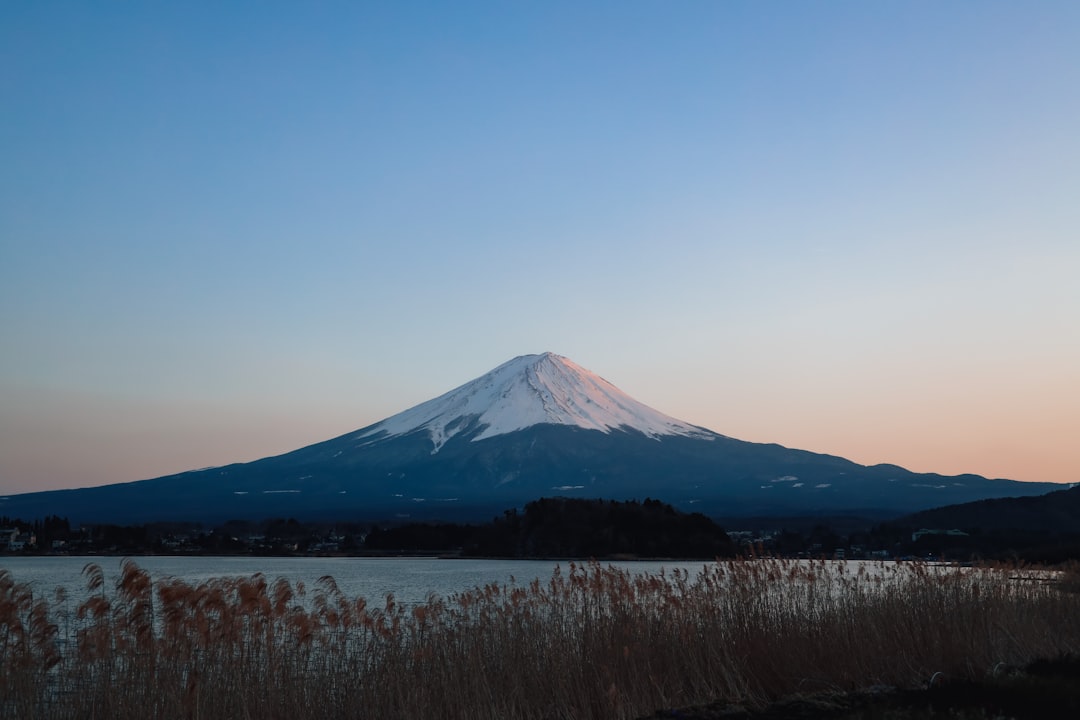
Getting to Kawaguchiko from Tokyo takes under two hours by highway bus or direct train. The trip itself is straightforward. The part nobody tells you is that your transport choice and departure time determine whether Mt. Fuji is actually visible when you arrive, and that distinction turns a good day trip into a great one (or a disappointing one).
Lake Kawaguchiko sits about 100 kilometers west of central Tokyo, at 830 meters elevation on the northern flank of Mt. Fuji. It is the most accessible of the Fuji Five Lakes and the single most popular spot for photographing the mountain reflected in still water. But Fuji hides behind clouds more often than not. Visibility data from our weighted atmospheric model shows the mountain is fully clear only about 35% of daylight hours annually, and that percentage drops sharply after late morning.
This guide covers every transport option with current prices, then does what most guides skip: connects your departure time to actual visibility patterns so you can plan around the weather, not just the train schedule.
How to Get to Kawaguchiko from Tokyo: Every Option Compared
There are four practical ways to reach Kawaguchiko from Tokyo. The table below compares them side by side.
| Method | Departure Point | Duration | One-Way Cost | Reservation? |
|---|---|---|---|---|
| Highway bus | Shinjuku (Busta), Shibuya, Tokyo Sta. | 1h 45min - 2h 30min | ~¥2,200 | Recommended |
| Fuji Excursion (direct train) | Shinjuku | 1h 55min | ¥4,130 | Required |
| Train via Otsuki (transfer) | Shinjuku | 2h - 2h 30min | ¥2,510 - ¥3,530 | Not required |
| Rental car | Central Tokyo | 1h 30min - 2h 30min | ¥5,000 - ¥8,000/day | Required |
Each has trade-offs. Here is when to choose which.
Highway Bus: Best Value for Most Travelers
The highway bus is the most popular choice for good reason. One-way fares from Shinjuku's Busta terminal run about ¥2,200 for adults and ¥1,100 for children. Buses also depart from Tokyo Station and Shibuya Mark City, giving you flexibility depending on where you are staying.
The scheduled journey time is 1 hour 45 minutes, but be realistic: weekend and holiday traffic on the Chuo Expressway can push that to 2.5 or even 3 hours. Friday afternoons and Saturday mornings are the worst. Midweek departures are consistently close to the scheduled time.
Operators include Fujikyu and Keio Bus. Booking through Highway Bus Net or Japan Bus Online is straightforward, and you should book at least a few days ahead for weekend travel. Seats sell out.
One underrated advantage: buses stop at Kawaguchiko Station, but some routes also stop at lakeside hotels, saving you a local bus transfer.
Fuji Excursion: The Direct Train
The Limited Express Fuji Excursion runs directly from JR Shinjuku to Kawaguchiko Station without transfers. Since the 2024 timetable revision, eight round trips operate daily. Departure times from Shinjuku cluster in the morning (7:30, 8:30, 9:30, 11:30), and return trains from Kawaguchiko depart in the afternoon (3:03, 4:25, 4:51, 5:36 PM).
The fare is ¥4,130 one way (¥2,580 base fare plus ¥1,620 limited express surcharge). Seats are reserved and sell out fast, especially on weekends. Book through JR East's reservation system or at a ticket window at least two weeks ahead during peak season.
The Fuji Excursion is the best option if you want guaranteed timing. Unlike the bus, it is not affected by highway traffic. The 7:30 AM departure gets you to Kawaguchiko by 9:25 AM, right in the window when Fuji visibility is still strong.
Train with Transfer at Otsuki
If the Fuji Excursion is sold out, you can take any Chuo Line limited express (Azusa or Kaiji) to Otsuki Station, then transfer to the Fujikyu Railway for the final 55 minutes to Kawaguchiko. The total journey takes about 2 to 2.5 hours depending on connection timing.
The cost varies by train type. The cheapest combination uses local trains the entire way for about ¥2,510, though this takes closer to 3 hours. A limited express to Otsuki plus the Fujikyu Line runs about ¥3,530.
This route matters for Japan Rail Pass holders. The standard JR Pass covers the JR portion to Otsuki but not the Fujikyu Railway segment (¥1,140 one way). The JR Tokyo Wide Pass, at ¥16,000 for three consecutive days, covers the entire journey including the Fujikyu Line and the Fuji Excursion itself. If you are also visiting Hakone, Nikko, or Karuizawa within a three-day window, this pass pays for itself.
Rental Car: For Multi-Stop Itineraries
Driving from central Tokyo to Kawaguchiko via the Chuo Expressway takes about 1.5 hours without traffic. Highway tolls run approximately ¥3,000 each way from Shinjuku, and parking near the lake is available for ¥300-500 per day at most lots.
A car makes sense primarily if you plan to visit spots the sightseeing buses do not cover well, such as Lake Yamanaka on the same trip, or if you are traveling in a group of 3-4 and want to split costs. Keep in mind that weekend traffic leaving Tokyo can be brutal, especially on holiday weekends.
How Much Does a Kawaguchiko Day Trip Cost?
Every section above mentions individual prices. Here is the full picture in one place.
| Expense | Budget | Mid-Range | Comfort |
|---|---|---|---|
| Transport (round-trip) | ¥4,400 (bus) | ¥4,400 (bus) | ¥8,260 (Fuji Excursion) |
| Local transport | ¥600 (individual rides) | ¥1,500 (Retro Bus pass) | ¥1,500 (Retro Bus pass) |
| Ropeway | Skip | ¥1,000 | ¥1,000 |
| Lunch | ¥800 (convenience store) | ¥1,300 (hoto noodles) | ¥2,500 (lakeside restaurant) |
| Activities | Free (parks, lakeshore) | ¥1,300 (museum) | ¥2,500 (museum + onsen) |
| Total |
Prices are per person, one-way highway bus at ~¥2,200. The JR Tokyo Wide Pass (¥16,000 for 3 days) changes the math entirely if you are making multiple excursions from Tokyo within the same window.
When to Leave Tokyo to Actually See Mt. Fuji
This is the section most Kawaguchiko guides leave out entirely. Your departure time from Tokyo is not just a scheduling question. It directly affects whether you see the mountain.
Mt. Fuji visibility follows a consistent daily pattern tracked by our live forecast tool. The mountain is clearest between 6:00 AM and 9:00 AM. By 11:00 AM, cloud buildup begins. By early afternoon, clouds obscure the summit more often than not.
That pattern means one thing for your transport planning: arrive early.
| Departure from Shinjuku | Arrival at Kawaguchiko | Visibility Window |
|---|---|---|
| 7:30 AM (Fuji Excursion) | ~9:25 AM | Strong. Peak morning clarity. |
| 7:45 AM (Highway Bus) | ~9:30 AM | Strong. Similar window. |
| 8:30 AM (Fuji Excursion) | ~10:25 AM | Good. Still before clouds build. |
| 9:30 AM (Fuji Excursion) | ~11:25 AM | Fair. Clouds often starting. |
| 10:00 AM+ (Bus) | ~12:00 PM | Risky. Cloud cover frequent. |
The 7:30 AM Fuji Excursion and the first morning buses are the departures that maximize your chances. If you take a midday bus, you may arrive to find the summit buried in cloud, which is exactly what happens to the majority of day-trippers who leave Tokyo "whenever" and arrive after noon.
For the best odds, check the Fuji visibility forecast the morning of your trip before you leave. If the forecast shows poor visibility, consider shifting your day trip by 24 hours rather than gambling.
Seasonal Differences Matter Too
The best months for Mt. Fuji visibility are November through February, when cold, dry air keeps the atmosphere clear. Winter visitors regularly get all-day visibility. Summer (June through August) is the toughest season: humidity and afternoon thunderstorms mean you might have a 2-hour window at best.
Spring (March through May) and autumn (September through November) fall in between. Cherry blossom season in April brings crowds and decent visibility, while October and November combine fall foliage with some of the year's clearest skies.
Getting Around Kawaguchiko Without a Car
Once you arrive at Kawaguchiko Station, the lake and its attractions spread out over several kilometers. Walking covers the immediate station area, but for the key viewpoints you will need transport.
The Kawaguchiko Sightseeing Bus (the "Retro Bus" red line) loops the lake every 15-20 minutes and hits every major stop: the ropeway, Oishi Park, the Music Forest Museum, and the natural living center. A 2-day unlimited pass costs ¥1,500 for adults (¥750 for children), which pays for itself after three rides. Buy it at the bus ticket counter inside the station.
For broader coverage including Lake Saiko and the ice caves, the green and blue bus lines extend the network. A combined pass covering all three lines is available for a bit more.
Bicycle rental is another solid option for the Kawaguchiko lakeside circuit. The flat path along the northern shore is roughly 6 kilometers and offers some of the best Mt. Fuji photo angles available anywhere. Electric bikes rent for about ¥1,000-1,500 per hour from shops near the station.
Sample Itineraries: The 7:30 AM Day Trip vs. The Overnight
Most guides list attractions without sequencing them. Here are two tested itineraries that account for visibility windows, transport schedules, and geography.
The 7:30 AM Day Trip (Budget: ~¥8,500)
| Time | Activity | Cost |
|---|---|---|
| 7:30 AM | Fuji Excursion from Shinjuku | ¥4,130 |
| 9:25 AM | Arrive Kawaguchiko Station. Buy Retro Bus 2-day pass. | ¥1,500 |
| 9:45 AM | Mt. Fuji Panoramic Ropeway (Kachi Kachi Yama). Fuji is clearest now. | ¥1,000 |
| 10:45 AM | Retro Bus to Oishi Park. Free entry, wide Fuji-over-lake view. | Free |
| 11:30 AM | Bus to Kawaguchiko Music Forest area. Walk the northern lakeshore path. | Free |
| 12:30 PM | Hoto noodles for lunch (Hoto Fudo lakeside location). | ~¥1,300 |
| 1:30 PM | Rent an e-bike near the station. Ride the 6 km northern shore loop. | ~¥1,500/hr |
| 3:00 PM | Return bike. Browse station area shops. | Free |
| 4:25 PM | Fuji Excursion back to Shinjuku (arrives ~6:20 PM). | ¥4,130 |
Total: ~¥13,560 round-trip. If you take the highway bus both ways instead, it drops to about ¥8,960.
The Overnight Itinerary (Two Mornings, Double the Odds)
| Time | Activity |
|---|---|
| Day 1 | |
| 11:30 AM | Fuji Excursion from Shinjuku (no need to rush). |
| 1:25 PM | Arrive. Check into lakeside ryokan on the northern shore. |
| 2:00 PM | Chureito Pagoda detour: Fujikyu Line to Shimoyoshida, 398-step climb, return. Allow 2 hours. |
| 4:30 PM | Day-use onsen or relax at ryokan. |
| 6:00 PM | Dinner in town. |
| Day 2 | |
| 5:15 AM | Walk to lakeshore for sunrise. This is when the reflection shot happens. |
| 7:00 AM | Breakfast at ryokan. |
| 8:30 AM | Ropeway + Oishi Park while Fuji is still clear. |
| 11:00 AM | Kubota Itchiku Art Museum (kimono textile art, 10 min by bus from station). |
| 12:30 PM | Hoto noodles lunch. |
| 2:00 PM | Highway bus or Fuji Excursion back to Tokyo. |
The overnight version works especially well in summer, when afternoon clouds are almost guaranteed and the sunrise window is the only reliable clear period.
What to Do Once You Get There
The main draw is the mountain itself, but Kawaguchiko has enough to fill a full day even if Fuji decides to hide.
Mt. Fuji Panoramic Ropeway (Kachi Kachi Yama). The ropeway rises to the Mt. Tenjo observation deck at 1,075 meters, offering a direct view of Fuji across the lake. Round-trip tickets are about ¥1,000. From the top, a 10-minute walk leads to a second viewpoint even higher up.
Oishi Park. This free park on the lake's northern shore is famous for lavender fields in June and July, with Fuji framed perfectly behind them. Even outside lavender season, the wide-open perspective is one of the best around the lake.
Kubota Itchiku Art Museum. This one does not appear in most Kawaguchiko guides. The museum houses kimono textiles depicting Mt. Fuji across seasons, displayed in a Gaudi-inspired building on the lake's southern shore. Entry is ¥1,300. It is 10 minutes by bus from the station and gives you something genuinely worth visiting even when the mountain is hidden.
Chureito Pagoda. Technically in Fujiyoshida (one station back on the Fujikyu Line at Shimoyoshida), this five-story pagoda with Fuji behind it is one of the most photographed scenes in Japan. Read our Chureito Pagoda guide for the full breakdown. Allow 2 hours for the detour from Kawaguchiko, including the 398-step climb.
Saiko Iyashi no Sato Nenba. A reconstructed thatched-roof village on the shore of neighboring Lake Saiko, about 30 minutes by bus from Kawaguchiko Station. The village sits against a forested hillside with Fuji visible behind the rooftops on clear days. Far fewer tourists than the main Kawaguchiko spots. Entry is ¥500.
Hoto noodles. The flat, wide wheat noodles simmered in miso-based broth with pumpkin and vegetables are Kawaguchiko's signature dish. Hoto Fudo, with locations near both the station and the lakeside, is the most established restaurant. Budget ¥1,200-1,500 per bowl.
Onsen with a view. Several lakeside hotels offer day-use onsen access. If the weather cooperates, soaking in an outdoor bath while staring at the snowcapped peak is the kind of experience that justifies the whole trip.
When Fuji Hides: The Cloudy Day Plan
Some days the mountain simply will not appear. This does not have to ruin your trip if you know what to pivot to.
The Kubota Itchiku Art Museum and the Music Forest Museum (a music box museum with hourly concerts) are both indoor experiences that justify the visit on their own. The Saiko Bat Cave and Narusawa Ice Cave, part of the lava tube network about 20 minutes west by bus, are underground attractions completely unaffected by weather. The Fuji Subaru Line 5th Station, at 2,300 meters, sometimes sits above the cloud layer that obscures the summit from below, though this requires a car or seasonal bus.
If you are flexible on timing, the practical move is to arrive in the afternoon, check into accommodation, and bet on the next morning. Visibility data shows that early mornings have significantly higher clear rates than afternoons in every season. Two mornings at Kawaguchiko is better insurance than one afternoon.
The Return Trip: Don't Get Stranded
Getting back to Tokyo is straightforward if you plan ahead, but last departures come earlier than you might expect.
The last Fuji Excursion train back to Shinjuku departs Kawaguchiko at 5:36 PM. Miss it and your only rail option is the local Fujikyu Line to Otsuki, where you catch a JR train back to Shinjuku. That combination works, but it takes longer and requires navigating the transfer.
Highway buses run later, with final departures typically around 7:30-8:00 PM depending on the operator and season. Still, do not count on being able to grab a bus spontaneously. Return buses fill up too, especially on weekends. Book your return in advance or at minimum check availability at the station bus counter when you arrive in the morning.
If you have a rental car, no worries about timing, but expect heavy return traffic on Sunday evenings and holiday weekends. The Chuo Expressway bottleneck near Otsuki is notorious.
Is It Worth Staying Overnight?
A day trip from Tokyo to Kawaguchiko works well. You can catch an early train, spend 6-7 hours around the lake, and be back in Shinjuku by dinner. Most visitors do exactly this.
But there is a case for staying one night, and it comes down to the thing that makes Kawaguchiko worth visiting in the first place: the view.
Mt. Fuji at sunrise from the lake is a different experience than the midmorning view. The first light hits the snowcap while the water is perfectly still. That reflection shot that wallpapers half the internet? It is taken at 5:30 AM by people who slept nearby. Day-trippers from Tokyo cannot get there in time.
If seeing Fuji is your priority, an overnight stay also gives you two mornings instead of one, doubling your chances if clouds interfere on day one. Several ryokan and hotels along the northern lakeshore offer rooms with direct Fuji views, and morning visibility from a lakeside room is something you simply cannot replicate on a day trip.
Frequently Asked Questions
How long does it take to get to Kawaguchiko from Tokyo?
The fastest options take about 1 hour 55 minutes: the Fuji Excursion direct train or the highway bus (in good traffic). The bus can stretch to 2.5-3 hours on busy weekends. Driving takes 1.5 hours without traffic.
Is Kawaguchiko worth a day trip from Tokyo?
Yes. The combination of Mt. Fuji views, lakeside scenery, and local food makes it one of the best day trips from Tokyo. Just depart early enough to arrive before clouds build, ideally by 9:30 AM.
Can I use my JR Pass to get to Kawaguchiko?
Partially. The standard Japan Rail Pass covers the JR portion from Shinjuku to Otsuki, but not the Fujikyu Railway segment from Otsuki to Kawaguchiko (¥1,140 extra). The JR Tokyo Wide Pass (¥16,000 for 3 days) covers the entire route including the Fuji Excursion train.
What is the cheapest way to get from Tokyo to Kawaguchiko?
The highway bus at approximately ¥2,200 one way is the cheapest direct option. If you are willing to take local trains with transfers, the all-local-train route costs about ¥2,510 but takes close to 3 hours.
Before heading out, pull up the live Mt. Fuji visibility forecast to check conditions. Knowing whether the mountain is clear before you board saves you from the biggest disappointment of the trip: arriving at one of the world's great viewpoints and finding nothing but cloud.
More Articles
Best Mt. Fuji Viewing Locations: Kawaguchiko vs Tokyo vs Hakone Compared
Compare the best places to see Mt. Fuji with real visibility data. Find out which location offers the best views for your trip.
Fuji Hakone Pass: What It Covers, the Cost Math, and the Leg It Misses
The Fuji Hakone Pass costs 11,100 yen for three days across both regions. Here is the break-even math and the return leg it quietly leaves out.
Hakone Ropeway: Fares, Route, Mt. Fuji Views and When It Closes
The Hakone Ropeway now charges one flat fare. Real 2026 prices, exactly where Mt. Fuji appears, and the closures nobody warns you about.