Mt. Fuji 5th Station: What to Expect, How to Get There, and What Most Guides Miss
Plan your visit to the Mt. Fuji 5th Station with this guide to access, views, trails, and tips for clear skies.
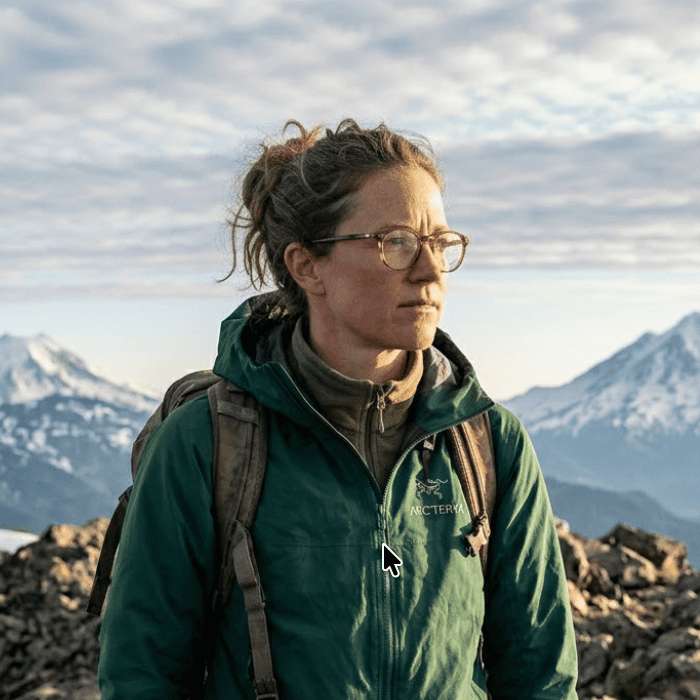
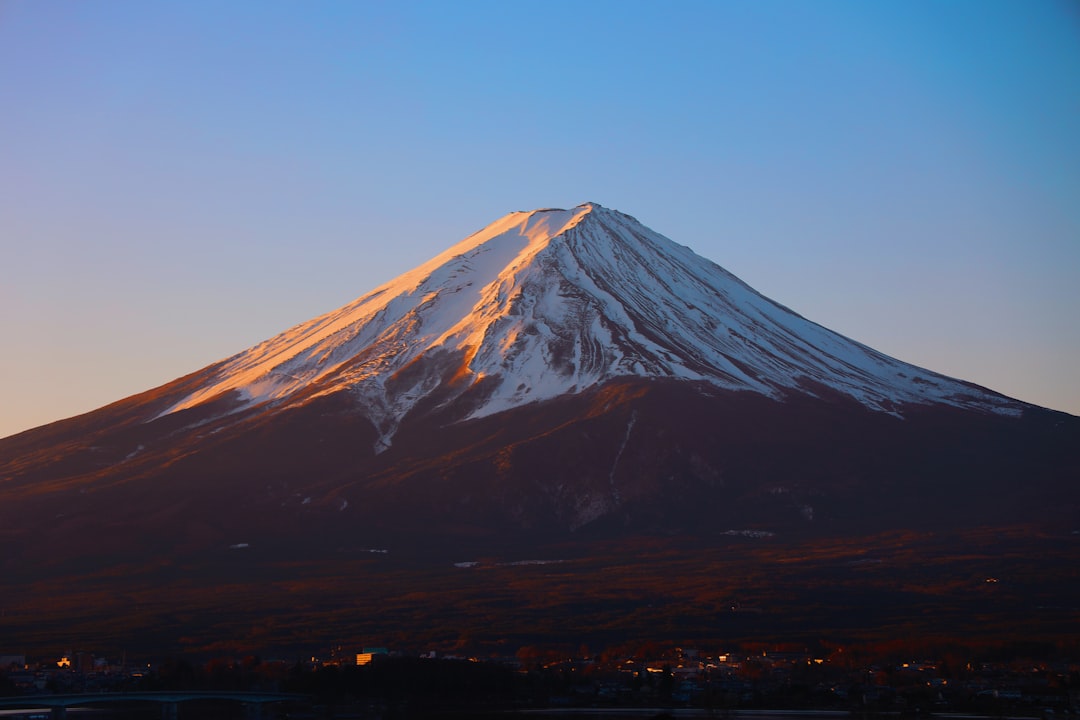
The Mt. Fuji 5th Station sits at 2,305 meters above sea level, roughly halfway up Japan's tallest mountain. Most visitors treat it as a starting point for the summit climb, but the station itself is worth a visit even if you never plan to hike higher. Gift shops, a Shinto shrine dating to 937 AD, a post office that stamps your postcards with an exclusive Mt. Fuji mark, and panoramic views that extend across the Fuji Five Lakes region. On clear mornings, you can stand above the clouds and look down at the world below.
There are actually four different 5th stations on Mt. Fuji, one at the base of each climbing trail. This guide focuses primarily on the Fuji Subaru Line 5th Station (Yoshida route), the most popular and accessible of the four, while covering how the others compare.
Table of Contents
- Mt. Fuji 5th Station Elevation and Layout
- How to Get to the 5th Station
- All Four 5th Stations Compared
- What to Do at the 5th Station
- The Ochudo Trail: Mt. Fuji Without the Summit Climb
- When to Visit for the Best Views
- The Ideal 4-Hour 5th Station Itinerary
- Practical Tips and What to Bring
- Frequently Asked Questions
Mt. Fuji 5th Station Elevation and Layout
The Fuji Subaru Line 5th Station sits at 2,305 meters (7,562 feet), placing it above the treeline and well into Mt. Fuji's volcanic landscape. For reference, Mt. Fuji's summit reaches 3,776 meters, so the 5th station is roughly 61% of the way up.
The temperature here runs about 12°C cooler than lowland areas. Even in July, the average temperature hovers around 13°C (55°F). In October, expect highs near 9°C (48°F) and lows just above freezing at 1°C (34°F). UV radiation is significantly stronger at this altitude, so sunscreen matters even on cool days.
The station itself is a compact complex of buildings clustered along a paved plaza. You will find:
- Restaurants and rest houses serving udon, curry rice, ramen, and Mt. Fuji-themed specialties
- Souvenir shops selling wooden walking sticks, postcards, climbing gear, and regional crafts
- A seasonal post office with an exclusive Mt. Fuji postmark
- Coin lockers for storing bags before a climb
- Komitake Shrine, established in 937 AD, where climbers pray for a safe ascent
The whole area can be explored on foot in one to two hours if you are not planning to hike further. It is fully accessible by bus, so you do not need any climbing gear or special fitness to visit.
How to Get to the 5th Station
The Fuji Subaru Line 5th Station is accessible year-round (snow conditions permitting), with the busiest access during the climbing season from early July through early September.
From Kawaguchiko Station
The most common route. Buses operated by Fujikyu Bus depart from Kawaguchiko Station and take approximately 50 minutes to reach the 5th station.
- One-way fare: 2,000 yen (1,000 yen elementary students)
- Round-trip fare: 3,400 yen (1,700 yen elementary students)
- Frequency: 3 to 7 buses daily outside climbing season; roughly hourly during climbing season
- Seat reservations: not available; first-come, first-served
From Tokyo (Shinjuku)
Direct highway buses run from the Busta Shinjuku terminal to the 5th station, operating from spring through autumn. This is one of the easiest options if you are planning a Mt. Fuji day trip from Tokyo.
- One-way fare: approximately 3,800 yen
- Duration: about 2.5 hours
- Frequency: 2 to 3 round trips daily outside climbing season; hourly during peak season
- Seat reservations: required
By Car
Outside of climbing season, you can drive the Fuji Subaru Line toll road directly to the 5th station. The toll is 2,800 yen round trip for a standard car, payable in cash only. Note that the gate keeps seasonal hours and does not open until 9:00 AM from mid-November through mid-April.
During the climbing season (3 July to 10 September in 2026), private vehicles are banned from the toll road. Instead, park at Fujisan Parking at the northern foot (1,000 yen per car) and take a shuttle bus to the station (3,400 yen round trip for adults).
By Taxi
A taxi from Kawaguchiko Station takes about 50 minutes and costs roughly 14,000 yen one way, including the toll road fee. Expensive, but useful for groups splitting the cost or travelers arriving at odd hours.
All Four 5th Stations Compared
Mt. Fuji has four 5th stations, one for each major climbing route. Most visitors default to the Subaru Line station, but each has its own character.
| Station | Elevation | Trail | Summit Ascent | Summit Descent | Mountain Huts | Crowd Level | Best For |
|---|---|---|---|---|---|---|---|
| Fuji Subaru Line | 2,305 m | Yoshida | 5-7 hrs | 3-5 hrs | 16 | Very high | Beginners, sightseers, families |
| Fujinomiya | 2,380 m | Fujinomiya | 4-7 hrs | 2-4 hrs | 6 | Moderate | Experienced climbers, shortest summit distance |
| Subashiri | 1,970 m | Subashiri | 5-8 hrs | 3-5 hrs | 5 | Low | Quieter experience, forest scenery |
| Gotemba New | 1,440 m | Gotemba | 7-10 hrs | 3-5 hrs | 4 | Very low | Advanced climbers, sand running descent |
The Yoshida trail from the Subaru Line station has 16 mountain huts between the 5th station and the summit, more than all other routes combined. That means more rest stops, more toilets (200 yen per use), more places to buy water, and more options for overnight stays. It is also the only route with a dedicated descent path, so ascending and descending climbers do not share the same narrow trail.
The Fujinomiya 5th Station is the highest starting point at 2,380 meters, putting you closest to the summit. But the trail is steep and rocky with a shared ascent-descent path, better suited to experienced hikers. The Subashiri 5th Station is known for its forest setting below the treeline. The Gotemba New 5th Station starts the lowest at just 1,440 meters, making it the longest and most demanding route, but rewards you with the famous sunabashiri (sand running) descent where you slide down volcanic gravel in long strides.
For pure sightseeing without climbing, the Fuji Subaru Line station is the clear choice. It has the best facilities, the easiest bus connections, and the most developed visitor infrastructure. The official Fujisan climbing portal has detailed maps and current conditions for all four routes.
What to Do at the 5th Station
Komitake Shrine
Fujisan Komitake Shrine was established in 937 on what was then the summit of Mt. Komitake, a peak that was eventually absorbed into Mt. Fuji's volcanic mass. For centuries, it served as a sacred site for mountain worship and ascetic practice. Today, climbers stop here to pray for safe passage, and visitors pick up protective charms (omamori) as souvenirs. Behind the shrine, an observation point offers unobstructed views of Fujiyoshida City and Lake Yamanaka in the distance.
Food and Specialties
Do not leave without trying the Mt. Fuji Melon Bread, a sweet roll baked at the Gogoen Rest House that has become the station's signature snack. The eruption curry at Fujisan Miharashi is another favorite, served in a bowl designed to look like a volcanic eruption. Beyond the novelties, several restaurants serve solid bowls of houtou (thick noodle stew) and Yoshida udon, both regional specialties of the Fuji Five Lakes area.
Mail a Postcard
The seasonal post office at the 5th station offers a special Mt. Fuji postmark that you cannot get anywhere else. Buy a postcard at one of the souvenir shops, write your message, and mail it from one of the highest post offices in Japan. It is a small thing, but the postmark makes it a genuinely unique memento.
Walking Stick Branding
Many visitors buy a wooden walking stick (kongozue) at the 5th station and have it branded with a hot iron stamp at each mountain hut along the way to the summit. Even if you are only exploring the 5th station area, you can get the first brand here.
The Ochudo Trail: Mt. Fuji Without the Summit Climb
The Ochudo Trail is a roughly 6-kilometer round-trip path that circles Mt. Fuji horizontally at around 2,300 meters, running from the 5th station to the Oniwa and Okuniwa natural parks. It takes about 2 to 3 hours to complete and requires no technical skill.
This trail has deep historical roots. In the Fuji-ko mountain worship tradition, the Ochudo was a pilgrimage route reserved for devotees who had already summited Mt. Fuji at least three times. The original full circuit stretched roughly 25 kilometers around the mountain, much of which is now closed due to landslides and conservation efforts. The accessible section from the 5th station remains open and is well maintained.
The trail passes through alpine vegetation, including rhododendron blooms from mid-June through late July and golden larch foliage in early to mid-October. You walk at a near-constant elevation, so there is no grueling uphill. The views rotate between Fuji's volcanic slopes above and the sea of clouds that often fills the valleys below.
The Ochudo Trail is open from early May through early November. The Yamanashi Prefecture tourism board lists current trail conditions and seasonal closures. It is a genuine Mt. Fuji hiking experience without the physical demands, permit requirements, or crowds of a summit attempt.
When to Visit for the Best Views
The best time to visit the Mt. Fuji 5th Station for clear views is early morning, before clouds build around the mountain. Thermal convection typically pushes moisture upslope starting mid-morning, and by noon the station is often wrapped in cloud. Arrive on one of the first buses or drive up before 9 AM to maximize your chances of seeing the summit above and the valleys below.
Seasonal Visibility Patterns
| Season | Conditions | Visibility | Avg. Temp at 5th Station |
|---|---|---|---|
| Spring (Apr-May) | Warming temps, moderate cloud | Good mornings, clouds build by afternoon | 1-11°C (34-52°F) |
| Summer (Jul-Aug) | Climbing season, frequent afternoon clouds | Best before 8 AM; hot and crowded midday | 13-17°C (55-63°F) |
| Autumn (Sep-Nov) | Dry air, cooling temps, fewer tourists | Best overall visibility, especially Oct-Nov | 1-13°C (34-55°F) |
| Winter (Dec-Mar) | Cold, potential snow closures | Exceptional clarity on open days; road may close | -10 to 3°C (14-37°F) |
Monthly Visibility Data (Based on Our 2025 Tracking)
We tracked Mt. Fuji visibility daily throughout 2025 using our real-time forecast model. Here is how often the mountain was clearly visible from lowland observation points, broken down by month.
| Month | Fully Visible | Partially Visible | Not Visible |
|---|---|---|---|
| January | 61% | 21% | 18% |
| February | 79% | 14% | 7% |
| March | 42% | 29% | 29% |
| April | 33% | 31% | 36% |
| May | 26% | 34% | 40% |
| June | 7% | 30% | 63% |
| July | 8% | 21% | 71% |
| August | 10% | 25% | 65% |
| September | 19% | 32% | 49% |
| October | 38% | 30% | 32% |
| November | 63% | 22% | 15% |
| December | 55% | 24% | 21% |
The critical insight: when the table shows "not visible" from below, the 5th station is often above the cloud layer. In July, Mt. Fuji is hidden from the lowlands 71% of the time, but visitors at 2,305 meters frequently stand above a sea of clouds with blue sky and the summit in full view overhead. The 5th station essentially inverts the visibility equation. Days that disappoint at Kawaguchiko can be the most spectacular from the 5th station.
Autumn delivers the most reliable clear conditions from any vantage point. Lower humidity and cooler air create sharp, far-reaching views. The larch trees along the Ochudo trail add color from early October. For a broader look at seasonal patterns, see our guide on the best time to see Mt. Fuji.
Summer is the most popular time due to climbing season, but ironically offers some of the worst visibility conditions from below. Afternoon clouds roll in almost daily. If you visit in July or August, take the earliest bus you can. Before 8 AM, you have the best chance of seeing both the summit above and the cloud sea below.
Check our real-time Fuji visibility forecast before your visit. If the forecast shows clouds at lower elevations but clearing above 2,000 meters, the 5th station might deliver one of the most dramatic landscapes you have ever seen.
The Ideal 4-Hour 5th Station Itinerary
No competitor guide gives you a structured visit plan. Here is one, optimized for clear views, the Ochudo trail, and minimal crowds.
Before you go: Check our real-time visibility forecast the night before. If clouds are forecast below 2,000 meters but clear above, you are in for a sea-of-clouds day. Book the earliest bus from Kawaguchiko Station or drive the Subaru Line before 8 AM.
0:00 - Arrival and acclimatization (20 min). Do not rush off the bus. At 2,305 meters, your body needs time to adjust. Walk the paved plaza slowly. Visit the restroom (200 yen). Buy a hot drink at one of the rest houses. Breathe deliberately: exhale fully through pursed lips, then inhale deeply. This is not wasted time. Skipping acclimatization is the number one mistake visitors make, especially those continuing to climb.
0:20 - Komitake Shrine and the observation point (20 min). Walk behind the shrine to the observation deck. On clear mornings, you can see Fujiyoshida City, Lake Yamanaka, and the cloud sea filling the valleys below. Pick up an omamori charm if you want a meaningful souvenir rather than a mass-produced keychain.
0:40 - Ochudo Trail (2 hours). Head out on the trail while the morning light is good and clouds have not built up yet. The 6-kilometer round trip takes you through alpine vegetation at a near-constant elevation. In mid-June through late July, rhododendrons line the path. In early October, golden larches. The Oniwa and Okuniwa parks at the turnaround point offer a quiet spot to sit and take in the volcanic landscape.
2:40 - Lunch (40 min). Return to the station complex and eat. The Mt. Fuji Melon Bread at Gogoen is the must-try. For a full meal, the houtou (thick noodle stew) is hearty and warming after the trail. The eruption curry at Fujisan Miharashi is more photogenic than flavorful, but worth it if you want the picture.
3:20 - Postcards, walking stick, souvenirs (30 min). Mail a postcard from the seasonal post office with the exclusive Mt. Fuji stamp. Buy a wooden kongozue walking stick and get the first hot-iron brand. Browse the shops. This is also a good time for photos, as the morning light has shifted and the mountain's textures show differently.
3:50 - Final views and departure (10 min). Take a last look from the plaza. If afternoon clouds have rolled in below, you may be standing in sunshine above a white carpet. Catch your return bus.
This itinerary works year-round when the road is open. In winter, skip the Ochudo trail (closed November through April) and spend the extra time at the shrine, the shops, and soaking in the winter clarity that makes the Fuji Five Lakes look like a high-resolution satellite image below you.
Practical Tips and What to Bring
Layer up. Temperatures at the 5th station can be 12°C or more below what you felt in Tokyo that morning. A warm mid-layer and a windbreaker are essential, even in summer.
Sunscreen and sunglasses. UV intensity is much higher at 2,300 meters. Clouds do not block UV effectively, so protect your skin regardless of weather.
Cash. Some shops and restaurants accept credit cards, but not all. ATMs are not available at the station. Bring enough yen to cover food, souvenirs, and bus fare if needed.
Altitude awareness. At 2,305 meters, you are right at the threshold where altitude sickness symptoms begin (typically above 2,500 meters). Most visitors feel fine at the 5th station itself, but mild breathlessness, headache, or fatigue can appear, especially if you arrived quickly by car or bus. Rest for at least 20 minutes before any physical activity. Drink water in small sips every 10-15 minutes. If you plan to continue climbing, spending a full hour acclimatizing here significantly reduces your risk of altitude sickness higher up.
Timing your return. If you take the bus, check the return schedule before wandering off. Outside of climbing season, buses are infrequent, and missing the last one means an expensive taxi ride down.
Climbing permits (summit attempts only). If you plan to continue past the 5th station toward the summit, you need a permit. As of 2026, the Yoshida Trail requires an online reservation and a 4,000 yen climbing fee. Daily capacity is capped at 4,000 hikers, and gates close between 2:00 PM and 3:00 AM to prevent dangerous nighttime bullet climbing. For the Shizuoka-side trails (Fujinomiya, Subashiri, Gotemba), you must register through the FUJI NAVI app and complete a safety video.
5th Station Packing Checklist
Use this checklist whether you are visiting for sightseeing or continuing to climb.
| Item | Sightseeing Only | Ochudo Trail | Climbing Higher |
|---|---|---|---|
| Warm mid-layer (fleece or down) | Yes | Yes | Yes |
| Windbreaker or rain shell | Yes | Yes | Yes |
| Sunscreen (SPF 50+) | Yes | Yes | Yes |
| Sunglasses (UV400) | Yes | Yes | Yes |
| Cash (5,000-10,000 yen) | Yes | Yes | Yes |
| Water bottle (500 ml minimum) | Optional | Yes | Yes |
| Comfortable walking shoes | Yes | Yes | - |
| Hiking boots with ankle support | - | Optional | Yes |
| Hat or cap | Yes | Yes | Yes |
| Snacks or energy bars | Optional | Yes | Yes |
| Headlamp | - | - | Yes |
| Gloves | Winter only | Winter only | Yes |
| Climbing permit confirmation | - | - | Yes |
| Coin purse (200 yen coins for restrooms) | Yes | Yes | Yes |
Frequently Asked Questions
Can you visit Mt. Fuji 5th Station without climbing?
Yes. The Fuji Subaru Line 5th Station is a popular sightseeing destination on its own. You can explore the shops, visit Komitake Shrine, eat at the restaurants, mail a postcard, and enjoy the views without ever setting foot on the climbing trail. Allow 1 to 2 hours for a casual visit, or 3 to 4 hours if you walk the Ochudo trail.
How long does it take to get to the 5th Station from Tokyo?
About 2.5 hours by direct highway bus from Busta Shinjuku in Tokyo. If traveling via train to Kawaguchiko Station first, add roughly 2 hours for the train plus 50 minutes for the bus, totaling around 3 hours. See our Kawaguchiko Station guide for train options.
Is the 5th Station open in winter?
The Fuji Subaru Line is open almost year-round, but winter access depends on snow conditions. Check the Fuji Subaru Line official site for real-time road status. The road may close temporarily during or after heavy snowfall. Bus service is reduced to a few departures per day. If the road is open, winter visits offer some of the clearest and most spectacular views you will find anywhere, with dry, cold air and virtually no crowds.
What is the best 5th station for beginners?
The Fuji Subaru Line 5th Station on the Yoshida route is the best choice for first-time visitors. It has the most developed facilities, the easiest public transport access from Tokyo, and the most beginner-friendly trail if you decide to hike further up. The Fujinomiya 5th Station is the second most popular but sits on a steeper, rockier route.
Planning your Mt. Fuji trip?
Top-rated tours and transport from Tokyo to Fuji
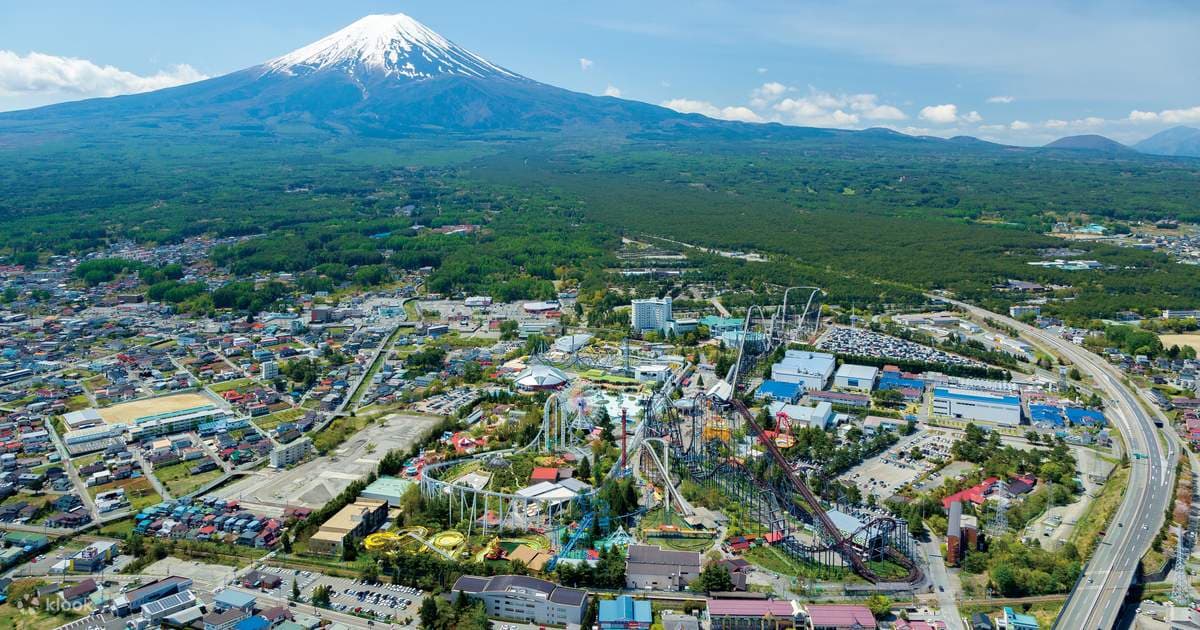
Affiliate links: we may earn a commission at no extra cost to you.
More Articles
Best Mt. Fuji Viewing Locations: Kawaguchiko vs Tokyo vs Hakone Compared
Compare the best places to see Mt. Fuji with real visibility data. Find out which location offers the best views for your trip.
Fuji Hakone Pass: What It Covers, the Cost Math, and the Leg It Misses
The Fuji Hakone Pass costs 11,100 yen for three days across both regions. Here is the break-even math and the return leg it quietly leaves out.
Hakone Ropeway: Fares, Route, Mt. Fuji Views and When It Closes
The Hakone Ropeway now charges one flat fare. Real 2026 prices, exactly where Mt. Fuji appears, and the closures nobody warns you about.