Mt. Fuji Snow Cap: When It Appears, When It Melts, and Why It Matters
Mt. Fuji snow cap typically lasts from October through June. Learn the seasonal timeline and what it means for visibility.

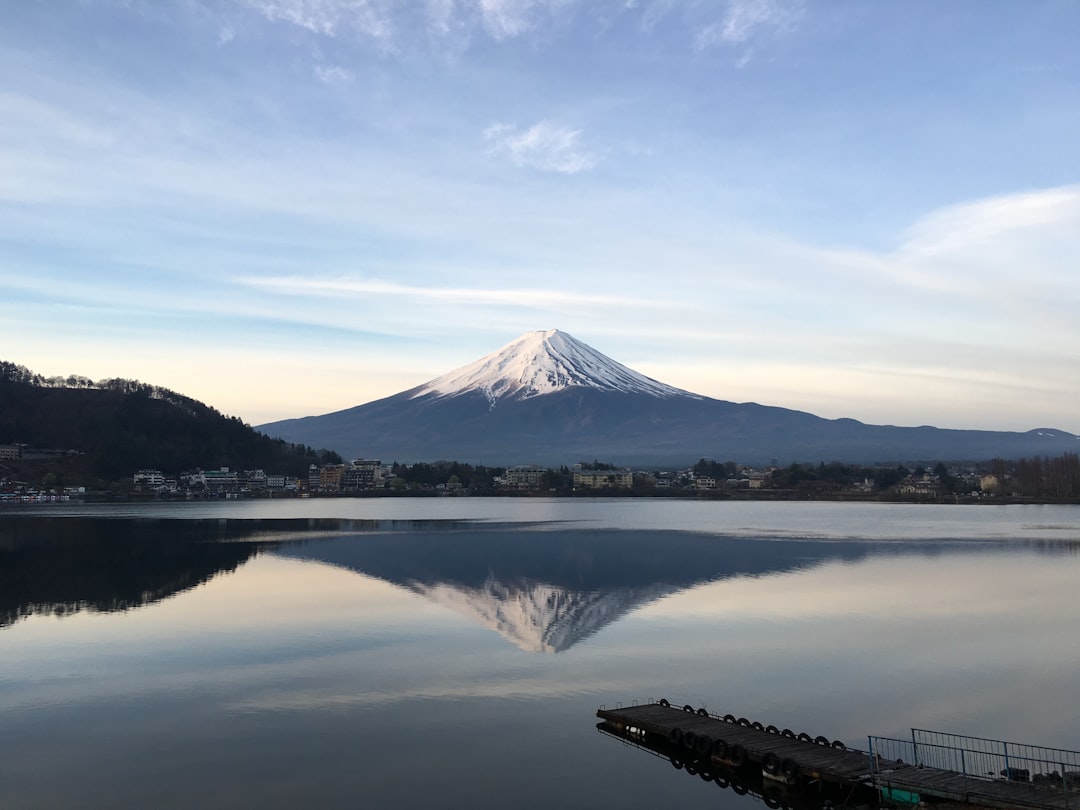
The Mt. Fuji snow cap is one of the most recognizable sights in the world. That white crown against the symmetrical volcanic cone has inspired centuries of art, drawn millions of travelers, and become shorthand for Japan itself. But the snow cap is not permanent. It follows a seasonal rhythm that every visitor should understand before planning a trip.
Quick answer: Mt. Fuji's snow cap typically appears in early October and melts by late June or early July, giving the mountain roughly eight to nine months of snow coverage each year. The best months to see the full, photogenic snow cap are December through February, when cold, dry air also produces the clearest visibility.
Snow typically appears on Mt. Fuji's summit in early October and melts away by late June or early July, leaving the dark volcanic rock exposed for the summer climbing season. That gives the mountain roughly eight to nine months with its iconic white peak each year. The timing has shifted in recent years due to rising temperatures, making the question of when you will see the snow cap more important than ever.
Mt. Fuji Snow Cap by Month
The snow cap's appearance changes dramatically across the seasons. Here is what to expect month by month.
| Month | Snow Cap Status | Visibility Conditions |
|---|---|---|
| January | Full coverage, extends to mid-slopes | Excellent; cold, dry air produces the sharpest views |
| February | Full coverage | Very good; still peak winter clarity |
| March | Full coverage, begins softening | Good; longer days improve lighting |
| April | Thick but receding slightly | Good; cherry blossoms frame the snow-capped peak |
| May | Noticeable retreat upslope | Moderate; spring haze builds |
| June | Rapid melt during rainy season | Poor; rain and cloud cover dominate |
| July | Bare or nearly bare | Variable; climbing season begins |
| August | Bare | Variable; summer humidity limits distant views |
| September | Bare, occasional early dustings | Improving; autumn air clears |
| October | First snow arrives (avg. Oct 2) | Good; crisp autumn conditions return |
| November | Building coverage | Very good; low humidity, clean air |
| December | Full coverage established | Excellent; best month for clear visibility |
December through February is the sweet spot. The snow cap is at its thickest and most photogenic, and winter conditions produce the clearest air of the year. Our weighted atmospheric model consistently shows visibility scores peaking during these months, when cold temperatures suppress haze and humidity drops to its annual low.
April deserves special attention. The snow cap is still substantial, and cherry blossom season creates the classic composition of pink blossoms in the foreground and white peak behind. This combination is what draws photographers to spots like Chureito Pagoda and Lake Kawaguchiko every spring.
Hatsukansetsu: Japan's First Snow Tradition
The Kofu Local Meteorological Observatory in Yamanashi Prefecture has officially tracked Mt. Fuji's first snowfall since 1894. Each autumn, an observer looks toward the summit at dawn. When the peak appears white, the observatory issues its hatsukansetsu declaration, formally marking the start of the snow cap season.
This is not just a weather statistic. It is a cultural event. News outlets across Japan report it. Social media fills with photographs from Fujiyoshida, Yamanakako, and other towns at the mountain's base. The first snow signals the transition from the hiking season to the viewing season, when Mt. Fuji transforms from a brown volcanic cone back into the white-crowned icon most people picture.
The average date for hatsukansetsu is October 2. The earliest recorded first snow fell on August 9, 2008. But recent years have pushed the date later.
| Season | First Snow Date | Days from Average |
|---|---|---|
| 2022-23 | October 5 | 3 days late |
| 2023-24 | November 7 | 36 days late (record) |
| 2024-25 | October 23 | 21 days late |
The 2023-24 season broke a 130-year record. Mt. Fuji remained snowless through all of October for the first time since observations began, following Japan's joint-hottest summer on record. The Japan Times reported that warm weather simply prevented the cold air necessary for snow formation from settling at the summit.
Why the Snow Cap Is Arriving Later
Mt. Fuji's snow cap is a visible indicator of climate change. The trend is clear: warmer summers are delaying the first snowfall, and warmer autumns are preventing early snow from sticking.
NASA's Earth Observatory has tracked Mt. Fuji's snow cover using satellite imagery for over two decades. Their data shows that December 2020 snow cover was among the lowest in 20 years of satellite records, with precipitation at only 10% of average. The mountain's timberline has also shifted upslope by approximately 100 feet over four decades, driven by a 3.6°F increase in summer temperatures near the peak.
The 2024 summer averaged 1.76°C above the 1991-2020 baseline across Japan. That kind of warmth does not just delay the first snow. It shortens the entire snow cap season on both ends, with earlier spring melting joining later autumn accumulation.
For travelers, this means the reliable window for seeing the full, photogenic snow cap has narrowed. A trip planned for early October can no longer guarantee a snow-capped view, whereas a generation ago it was nearly certain. Checking real-time conditions before finalizing travel dates has become more important, not less.
How the Snow Cap Affects What You See
The presence or absence of the snow cap fundamentally changes the Mt. Fuji experience. This is something most travel guides overlook entirely.
With snow cap (October through June): The mountain reads as the iconic image. The white peak contrasts sharply against blue sky or surrounding greenery. From a distance, the snow cap makes Fuji visible from farther away, because the brightness of snow against darker terrain increases visual contrast. On clear winter days, Tokyo residents can spot the snow-capped peak from over 100 kilometers away.
Without snow cap (July through September): The summit is dark volcanic rock. Fuji still looks striking, but the silhouette is far less distinctive against overcast skies or summer haze. The bare mountain also blends more easily into surrounding ridgelines when viewed from a distance, reducing the "pop" that makes Mt. Fuji photographs so immediately recognizable.
This is one reason why winter visibility scores tend to be higher than summer scores even when cloud cover is similar. The snow cap itself acts as a contrast enhancer, making the mountain more visible to the eye in marginal atmospheric conditions.
Best Conditions for Photographing the Snow Cap
The best time to photograph Mt. Fuji's snow cap is between December and February, during the morning hours before clouds build. Visibility scores from our weighted atmospheric model average 12 to 15 points higher during early morning windows compared to midday.
For the sharpest images:
- Time of day: Arrive before sunrise for golden light on the snow, or shoot between 10 AM and 2 PM for the brightest white peak against blue sky. Our sunrise guide covers optimal timing by season.
- Season: January and February offer the fullest snow coverage and cleanest air. December is equally reliable.
- Locations: Kawaguchiko, Chureito Pagoda, and Hakone all provide clear sightlines to the snow-capped summit. The view from Osaka's direction is only possible on the clearest winter days.
- Weather pattern: The day after a cold front passes produces the best conditions. Post-storm clearing pushes out humidity and particulates, leaving the snow cap razor-sharp against the sky.
Check the Mt. Fuji visibility forecast before heading out. A snow-capped peak means nothing if clouds are sitting at 2,000 meters.
The Snow Cap in Japanese Culture
Mt. Fuji's snow cap is not just a seasonal weather feature. It is central to the mountain's identity as a UNESCO World Heritage Site, designated in 2013 as a "sacred place and source of artistic inspiration."
Katsushika Hokusai's Thirty-six Views of Mount Fuji (1823-1835) depicts the snow-capped peak in nearly every print, including the world-famous The Great Wave off Kanagawa. Utagawa Hiroshige followed with his own Mt. Fuji series, and both artists consistently chose to show the mountain with its white crown. These ukiyo-e woodblock prints spread the image of snow-capped Fuji across the world and directly influenced the Impressionist movement in Europe.
The snow cap is what makes Mt. Fuji look like Mt. Fuji. Without it, the mountain is a 3,776-meter volcanic cone. Beautiful, certainly, and still an active volcano worth respecting. But the snow transforms it into the symbol that appears on currency, postcards, and the cultural imagination of an entire country.
As climate change pushes the snow season shorter, the window to see this iconic image narrows. Planning ahead, checking forecasts, and understanding the seasonal rhythm of the Mt. Fuji snow cap will help you catch it at its best.
Frequently Asked Questions
When does Mt. Fuji get its snow cap? The first snow typically arrives around October 2, based on records from the Kofu Local Meteorological Observatory dating back to 1894. However, rising temperatures have pushed the date later in recent years, with the 2023-24 season not receiving first snow until November 7.
Is Mt. Fuji's snow cap permanent? No. The snow cap is seasonal. It usually melts completely by late June or early July, leaving the summit bare throughout the summer climbing season. The mountain is snow-free for roughly three to four months each year.
What is the best month to see Mt. Fuji with snow? December through February offers the best combination of full snow coverage and clear atmospheric conditions. January is ideal: the snow extends to mid-slopes, humidity is at its lowest, and visibility scores peak for the year.
Can you see Mt. Fuji's snow cap from Tokyo? Yes, on clear winter days. The snow cap increases visual contrast, making the mountain visible from over 100 kilometers away. The best chances are on cold, dry mornings between December and February. Check our Tokyo visibility guide for specific viewing spots.
Check today's Mt. Fuji visibility to see if conditions are clear for viewing the snow-capped peak.
More Articles
Northern Lights Tour: How to Choose One (and When to Skip It)
A northern lights tour can only fix two of the four things that decide whether you see aurora. Here is how to choose one, and when to skip it.
Northern Lights Alaska Tours: Which Base and Tour to Book
Northern lights Alaska tours compared: Fairbanks, Arctic Circle and Anchorage trips, 2026-27 prices, refund rules and 10 winters of clear-night odds.
Paradise Mt Rainier: The Complete Visitor Guide for Every Season
Plan your trip to Paradise at Mt Rainier with trail details, parking tips, wildflower timing, and visibility forecasts.