Mt. Fuji from Hakone: Best Viewpoints and Visibility Guide
Can you see Mt. Fuji from Hakone? Yes, on about half of all days. Here are the best viewpoints, when to go, and how to check conditions.

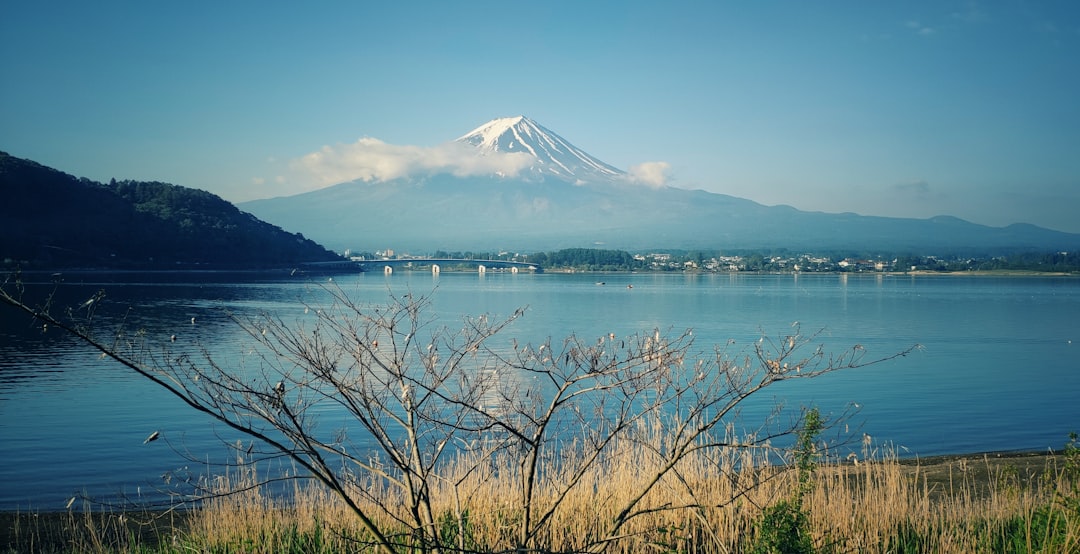
Can you see Mt. Fuji from Hakone?
Yes. Mt. Fuji is visible from Hakone on roughly 45-50% of days annually, with winter months (December through February) pushing that to 55-65%. The best viewpoints are Komagatake summit, Lake Ashi's southern shore near Hakone Shrine, and the Owakudani ropeway. Check the live Mt. Fuji visibility forecast before making the trip.
Mt. Fuji from Hakone is one of the most photographed scenes in Japan. The mountain sits 26-37 km to the northwest, close enough for clear views but far enough that atmospheric conditions matter. On a good day, you get Fuji framed by Lake Ashi's torii gate, volcanic steam from Owakudani, or a panoramic sweep from Komagatake's summit. On a bad day, you see nothing but clouds.
The difference between those outcomes comes down to when you go and where you stand. Hakone sits inside a volcanic caldera, and its own weather patterns can obscure Fuji independently of conditions elsewhere. A clear morning in Odawara does not guarantee clear skies 700 meters higher at Lake Ashi.
This guide covers the specific viewpoints, the visibility odds by season, and how to check conditions before you commit to the trip.
Table of contents
- Best viewpoints for Mt. Fuji from Hakone
- When is Mt. Fuji visible from Hakone
- Hakone or Kawaguchiko for Mt. Fuji views
- How to check visibility before you go
- Getting to Hakone from Tokyo
- Where to stay for Fuji views
- Frequently asked questions
Best viewpoints for Mt. Fuji from Hakone
Not all spots in Hakone have the same view. The caldera's ridges block sightlines from some locations entirely. These are the viewpoints that deliver.
Komagatake summit
The single best panoramic view of Mt. Fuji from Hakone. The Komagatake Ropeway carries you to 1,356 meters, where the summit plateau offers an unobstructed view of Fuji from peak to base, plus Sagami Bay and the Pacific Ocean behind you. On clear days, you can trace Fuji's entire snowline.
The ride takes about 7 minutes from Hakone-en on the lakeshore. Adult fare is 2,200 yen round trip (only a small discount with the Hakone Free Pass, which does not cover this ropeway). The ropeway runs 9:00 to 16:30 but suspends service in high winds, which are common in winter. Check conditions before heading up.
At the top, the Hakone Motomiya Shrine sits on the plateau. The shrine and Fuji together in a single frame is a shot most visitors miss because they stay at lake level.
Lake Ashi southern shore
The classic Mt. Fuji from Hakone composition: the red torii gate of Hakone Shrine standing in the lake water, with Fuji rising behind it. This view works best early morning when the lake surface is calm enough to produce reflections. You cannot get it from the queue at the torii itself, which faces south, away from Fuji. Our Hakone Shrine guide shows where on the Moto-Hakone waterfront the gate lines up under the summit.
The shore near Moto-Hakone pier is the most accessible. Arrive before 8 AM for the stillest water and fewest tourists. The Hakone Sightseeing Cruise pirate ships cross the lake between Togendai, Moto-Hakone, and Hakone-machi, with Fuji behind you on the starboard side heading south, but only once the ship reaches the southern half of the lake: the north end around Togendai has no line of sight to the summit. Standard cabin fare is included in the Hakone Free Pass. Our Lake Ashi guide maps where on the water the view opens and compares the two boat companies.
Owakudani
The active volcanic valley sits at roughly 1,044 meters. Sulfur vents steam against a backdrop of Fuji on clear days, creating an otherworldly composition. The walking trail (roughly 700 meters) requires advance reservation at 800 yen and may close without notice due to elevated volcanic gas levels. People with respiratory or heart conditions should avoid the area.
The Japan Guide Owakudani page has the latest closure status. Even if the trail is closed, you can see Fuji from the Hakone Ropeway between Owakudani and Togendai stations, and our full Hakone Ropeway guide covers the fares, the viewing stretches and the closures in detail. The midpoint of this segment offers one of the best combined views of Fuji and Lake Ashi from a single vantage point.
Narukawa Art Museum
A lesser-known gem. The museum's 50-meter panoramic glass window frames Lake Ashi and Mt. Fuji in a single view. Admission is 1,500 yen (1,300 yen with Hakone Free Pass). Open daily 9:00 to 17:00. Located near Moto-Hakone pier, it works as a backup viewpoint when outdoor conditions are cold or windy but the sky is clear.
Onshi Hakone Park
The former grounds of an Imperial summer villa, now a free public park on a peninsula jutting into Lake Ashi. The Benten-no-hana observation deck and the second-floor balcony of the Observation Building both offer clean sightlines to Fuji. Designated as one of Kanagawa Prefecture's 50 Picturesque Sights. Open 9:00 to 16:30, closed December 29 through January 3.
Mt. Kintoki
For hikers willing to earn the view. Mt. Kintoki (1,212 m) sits in Sengokuhara on Hakone's northwestern edge, the closest point in the Hakone area to Fuji. The roughly 6 km loop trail takes 3-4 hours round trip. No fee. The summit view is considered one of the best Fuji views in the entire Kanto region because you are looking almost directly at the mountain without intervening ridges.
This is the viewpoint for people who found Lake Ashi too crowded and want Fuji to themselves on a weekday morning.
When is Mt. Fuji visible from Hakone
Best months
Visibility from Hakone follows the same seasonal pattern as other viewing locations, but with slightly lower odds because you are viewing through the caldera's own microclimate.
| Month | Visibility | Notes |
|---|---|---|
| December | 55-60% | Peak season. Cold, dry air. Fuji fully snow-capped. |
| January | 55-65% | Coldest month, clearest skies. Best odds of the year. |
| February | 50-60% | Still strong. Snow cap at its deepest. |
| March | 45-50% | Spring transition. Good odds but increasing cloud days. |
| April | 40-45% | Cherry blossoms at Lake Ashi. Visibility still reasonable. |
| November | 45-55% | Autumn clarity returning. Fewer tourists than winter. |
| July-August | 15-20% | Rainy season and humidity. Worst months by far. |
November through February is the window to target. If you are visiting Japan in summer, Hakone is still worth the trip for hot springs and the volcanic landscape, but do not plan around a Fuji view. Our Hakone travel guide covers the loop, 2026 prices and what each month is like beyond the mountain.
Best time of day
Mt. Fuji from Hakone is most reliably visible before 11 AM. Overnight cooling reduces humidity and haze. By midday, solar heating drives moist air upward, forming clouds around the summit. Our visibility trends data consistently shows morning scores 10-15 points higher than afternoon.
The ideal sequence: check the live forecast at 6 AM. If the score is above 60, head to your chosen viewpoint by 7 AM. Shoot or enjoy the view until 10 AM. Spend the afternoon on hot springs and museums.
Post-storm windows
The best Fuji views often come the morning after rain clears. Cold fronts flush humid air out of the Kanto Plain, and the first post-storm morning can deliver visibility scores above 90. If it rained yesterday and the forecast shows clearing overnight, set your alarm early.
Hakone or Kawaguchiko for Mt. Fuji views
This is the most common question travelers ask when planning a Fuji viewing trip. The honest answer: it depends on what you want.
| Factor | Hakone | Kawaguchiko |
|---|---|---|
| Distance to Fuji | 26-37 km | 16-19 km |
| Visibility odds | 45-50% annually | 50-55% annually |
| View angle | Southeast face | North face (classic) |
| Beyond Fuji | Hot springs, museums, volcanic valley, Lake Ashi cruises | Lake activities, Chureito Pagoda, Fuji Five Lakes |
| Access from Tokyo | 80 min (Romancecar) | 2 hrs (bus from Shinjuku) |
| Best for | Travelers who want variety beyond the mountain | Travelers whose #1 priority is seeing Fuji |
Choose Kawaguchiko if seeing Fuji is the main reason for your trip. It is closer, the mountain appears larger, and you get the iconic north-face view. The Chureito Pagoda and lakeside reflections are world-famous.
Choose Hakone if you want a full day or overnight trip that includes Fuji as one element among many. Hot springs, the volcanic valley at Owakudani, Lake Ashi cruises, and art museums make Hakone worthwhile even on cloudy days. Kawaguchiko on a cloudy day offers much less to do.
Best option with time: Do both. Spend a night in Hakone, then take a bus or drive to Kawaguchiko the next morning. The Mt. Fuji day trip from Tokyo guide covers the logistics.
How to check visibility before you go
Do not travel to Hakone for Fuji views without checking conditions first.
Our Mt. Fuji visibility forecast scores conditions from 0 to 100 and updates every 15 minutes using cloud cover, humidity, and precipitation data from our weighted atmospheric model. A score above 60 means good odds from Hakone. Above 80, the mountain will be sharp and clear.
The forecast extends 10 days ahead, so you can identify the best window during your trip. For longer planning, our 14-day extended forecast guide explains how accuracy changes over time.
For visual confirmation the morning of your visit, the live webcam feeds on our forecast page show Fuji from 12 camera angles in real time. If the cameras show a clear peak and the score is high, go.
Getting to Hakone from Tokyo
Romancecar (fastest)
The Odakyu Romancecar runs direct from Shinjuku to Hakone-Yumoto in about 80 minutes. All seats reserved. You need a Hakone Free Pass plus a 1,200 yen surcharge per direction. Book seats on the left side heading west for mountain scenery.
Regular train
Odakyu express from Shinjuku to Odawara, then transfer to the Hakone Tozan Railway to Hakone-Yumoto. About 2 hours total. Covered by the Hakone Free Pass without surcharge.
Shinkansen
Hikari or Kodama from Tokyo Station to Odawara in 35 minutes. Then Hakone Tozan Line to Hakone-Yumoto in 16 minutes. Fastest option from eastern Tokyo, covered by Japan Rail Pass. Sit on the right side (seats D and E) for a Fuji view from the shinkansen near Shin-Fuji station.
Hakone Free Pass
The pass covers all transport within Hakone (train, bus, ropeway, cable car, pirate ship cruise) plus discounts at about 70 facilities. The Odakyu website has current pricing; a two-day pass from Shinjuku is 7,100 yen and a three-day pass is 7,500 yen. It pays for itself within a day if you use the ropeway and cruise.
Where to stay for Fuji views
Most Hakone ryokans and hotels sit in the Hayakawa valley or Sengokuhara, where terrain hides Fuji completely. If seeing Fuji from your room matters, stay on the south or east shore of Lake Ashi or on the Ubako slope. Our Hakone ryokan guide has the line-of-sight results for each area.
Ryuguden sits on the Hakone-en shore of Lake Ashi, and all of its lakeside Japanese rooms face the lake, with Fuji across the water. Three annex rooms have their own indoor hot spring bath.
Hotel Green Plaza Hakone has Mt. Fuji views from its large open-air bath (rotenburo) and from its Fuji-facing rooms. Both Japanese and Western rooms available.
Yoshimatsu, a small inn on the hillside above Hakone-machi, looks across the southern end of the lake, where the upper part of the cone clears the rim.
For all of these, a winter morning with a room-view Fuji is the peak Hakone experience. Book Fuji-view rooms specifically; standard rooms at the same properties may face the wrong direction.
Frequently asked questions
Can you see Mt. Fuji from Lake Ashi?
Yes. Lake Ashi's southern shore near Hakone Shrine offers one of the most iconic views of Fuji in Japan. The torii gate standing in the water with Fuji behind it is the signature Hakone photograph. Visibility depends on weather; check the forecast before visiting. Early morning provides the calmest water for reflections.
How far is Hakone from Mt. Fuji?
Hakone is 26-37 km from Mt. Fuji's summit, depending on where in Hakone you are. The northwestern spots like Mt. Kintoki are closest at roughly 26 km. Lake Ashi's shore is about 28-33 km. For comparison, Kawaguchiko is 16-19 km from the summit.
Is Hakone worth it if you cannot see Mt. Fuji?
Absolutely. Hot springs, the Owakudani volcanic valley, Lake Ashi cruises, the Hakone Open-Air Museum, and the Pola Museum of Art make Hakone a full day trip independent of Fuji visibility. Many visitors enjoy Hakone without ever seeing the mountain. That said, checking the visibility forecast before you go lets you plan around the weather rather than hoping for luck.
What is the best month to see Mt. Fuji from Hakone?
January offers the best odds at 55-65% visibility, followed closely by December and February. These months combine dry winter air with the snow-capped peak that makes the view most dramatic. Avoid July and August when visibility drops below 20%.
More Articles
Hakone Ropeway: Fares, Route, Mt. Fuji Views and When It Closes
The Hakone Ropeway now charges one flat fare. Real 2026 prices, exactly where Mt. Fuji appears, and the closures nobody warns you about.
Is Mt. Fuji Visible Today? How to Check Real-Time Conditions
Is Mt. Fuji visible today? Check real-time forecasts, live cameras, and visibility scores to plan your best Fuji viewing trip.
Best Mt. Fuji Viewing Locations: Kawaguchiko vs Tokyo vs Hakone Compared
Compare the best places to see Mt. Fuji with real visibility data. Find out which location offers the best views for your trip.