Mount Fuji from Osaka: Routes, Costs, and the Best Seat on the Shinkansen
See Mount Fuji from Osaka by shinkansen, day trip, or overnight bus. Routes, 2026 prices, and visibility tips.

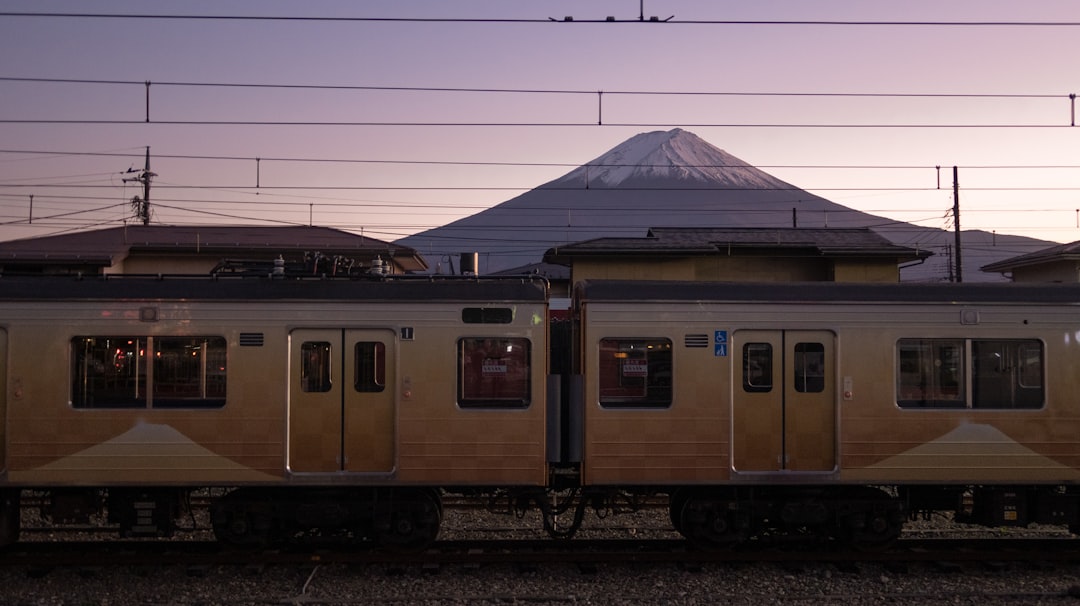
How Do You See Mount Fuji from Osaka?
You cannot see Mount Fuji from Osaka directly. The 400-kilometer distance and intervening terrain block any line of sight. The best options are riding the Tokaido Shinkansen (seat E, left side heading toward Tokyo) or taking a day trip to the Fuji Five Lakes region via Mishima Station. Winter months offer the highest visibility, with February producing clear views on roughly 79% of days.
Seeing Mount Fuji from Osaka is one of the most common goals for travelers spending time in Kansai. The catch is straightforward: you cannot see the mountain from Osaka itself. At roughly 400 kilometers apart, with mountain ranges and entire cities in between, no vantage point in the Osaka area offers even a distant glimpse of the peak.
That does not make Osaka a bad starting point. With the right shinkansen seat, the right time of year, and a bit of planning, you can watch Fuji's snow-capped cone fill a bullet train window or spend a full day exploring the lakeside towns at its base. This guide covers every practical route, current 2026 prices, and the visibility data that separates a successful trip from a cloudy disappointment.
Can You See Mount Fuji from Osaka?
No, you cannot see Mount Fuji from Osaka. The straight-line distance between them is approximately 400 kilometers, and the terrain between Kansai and Shizuoka Prefecture blocks any line of sight. Even on the clearest winter morning, the mountain is invisible from anywhere in the Osaka metro area.
This surprises visitors who assume the shinkansen connection means the mountain must be visible from somewhere nearby. It is not. The closest you will get to a Fuji sighting while riding the train is in Shizuoka Prefecture, roughly two-thirds of the way to Tokyo.
If you want to know whether conditions will cooperate on any given day, our real-time Mt. Fuji visibility forecast uses a weighted atmospheric model to score viewing conditions every 15 minutes.
Seeing Mount Fuji from the Shinkansen
The Tokaido Shinkansen between Shin-Osaka and Tokyo passes directly through Mt. Fuji's viewing corridor, making it the fastest and easiest way to see the mountain from an Osaka starting point. For many travelers, this 10 to 15 minute window through the train window is the highlight of their entire trip.
Which Seat to Book
When traveling from Osaka toward Tokyo, Mount Fuji appears on the left side of the train. In standard (Ordinary) cars, book seat E, which is the window on the left when facing forward. In Green Cars, seat A provides the equivalent view.
Heading the opposite direction, Tokyo toward Osaka, the mountain shifts to the right side. Seat E remains the Fuji-side window in standard cars regardless of direction.
Reserve your seat through the SmartEX app to pick your exact position. The seat map lets you select row and column, so there is no guesswork.
When to Look Out the Window
The prime viewing window begins shortly before Shin-Fuji Station and lasts roughly 10 to 15 minutes. On a Nozomi or Hikari service from Shin-Osaka, this occurs about 70 to 80 minutes into the journey. On the slower Kodama, expect 85 to 90 minutes.
The mountain appears suddenly. If you are looking at your phone, you will miss it. Set a timer after departure and start watching the left-side windows a few minutes early.
Best Months for Shinkansen Views
Winter delivers the highest odds of a clear sighting. Mount Fuji visibility data shows February as the best month, with the full mountain visible on roughly 79% of days. January and November follow at around 61 to 63%. Summer is the worst season for this: July and August produce clear views barely 30% of the time due to heat haze and cloud buildup.
For the best shinkansen sighting, book an early morning departure. Visibility peaks before 9 AM, when atmospheric moisture is lowest. An 8:00 AM Nozomi from Shin-Osaka puts you in the viewing corridor around 9:15 to 9:30 AM, still within the morning clarity window.
Day Trip Routes: Osaka to Mount Fuji
If a passing train window glimpse is not enough, you can turn Fuji into a proper day trip. The journey is long but manageable with an early start.
Route 1: Shinkansen to Mishima, Bus to Kawaguchiko
This is the standard route and the one japan-guide.com recommends for Kansai-based travelers.
| Leg | Method | Time | Cost (2026) |
|---|---|---|---|
| Shin-Osaka to Mishima | Hikari shinkansen (reserved) | ~2h 12min | ~16,210 yen |
| Mishima to Kawaguchiko | Fujikyu highway bus | ~1.5 hours | ~2,530 yen |
| Total one way | ~3.5 hours | ~18,740 yen |
Hikari trains departing for Mishima run roughly every hour. From Mishima Station's south exit, the Fujikyu bus runs directly to Kawaguchiko Station, the main hub for the Fuji Five Lakes region.
Catch a 7:00 or 8:00 AM shinkansen and you will arrive at Kawaguchiko by late morning, leaving 5 to 6 hours to explore before heading back.
Route 2: Shinkansen to Shin-Fuji
Shin-Fuji Station sits on the Tokaido Shinkansen line and offers views of the mountain's southern face from Shizuoka Prefecture. Only the Kodama (local) shinkansen stops here, so the journey from Shin-Osaka takes roughly 2 hours 40 minutes.
From Shin-Fuji, local buses connect to Fujinomiya, the south-side climbing base. This route works best if you want to explore the less-touristed southern slopes rather than the northern lake district.
| Leg | Method | Time | Cost (2026) |
|---|---|---|---|
| Shin-Osaka to Shin-Fuji | Kodama shinkansen | ~2h 40min | ~12,000 yen |
| Shin-Fuji to Fujinomiya | Local bus | ~30 min | ~600 yen |
Route 3: FUJIYAMA LINER Overnight Bus
Budget travelers can skip the shinkansen entirely. The FUJIYAMA LINER, jointly operated by Kintetsu Bus and Fujikyu Bus, departs Osaka nightly and arrives at Kawaguchiko Station by early morning.
| Detail | Info |
|---|---|
| Operators | Kintetsu Bus / Fujikyu Bus |
| Travel time | ~10 to 11 hours |
| Cost | 4,200 to 9,700 yen one way (varies by seat class) |
| Boarding points | Tennoji, Namba OCAT, Osaka Station |
| Departure | ~10:15 to 10:30 PM |
| Arrival | ~8:00 to 8:52 AM |
The overnight bus saves on a hotel night and gets you to Kawaguchiko at dawn. That timing is actually ideal. Early morning produces the clearest Fuji views, and you will have the lakeside largely to yourself before the Tokyo day-trippers arrive mid-morning.
Book through Japan Bus Online or Kosokubus. Seats fill up fast during peak season, so reserve at least a week ahead.
Saving Money: JR Pass vs. SmartEX Discounts
A round-trip shinkansen ticket from Shin-Osaka to Mishima costs roughly 32,000 to 33,000 yen. That is a significant chunk of a travel budget, and two discount strategies can reduce it.
The JR Pass
A 7-day Japan Rail Pass costs 50,000 yen in 2026. The math only works if you are also making other long-distance JR trips during the same week. An itinerary covering Osaka, Kyoto, Hiroshima, and a Fuji side trip easily justifies the pass. A standalone Osaka-to-Fuji round trip does not.
One important note: the JR Pass covers the shinkansen leg but not the Fujikyu buses between Mishima and Kawaguchiko. Budget an extra 5,000 yen for bus connections regardless.
SmartEX Early Bird Fares
If you are buying individual tickets, SmartEX offers tiered discounts for advance purchases. The EX Hayatoku 21 fare, available when you book 21 days ahead, saves over 4,000 yen per ticket compared to standard reserved-seat pricing. The EX Hayatoku 7, booked a week ahead, still shaves off a meaningful amount.
The trade-off: early bird tickets lock you into a specific train and departure time. No changes allowed. If your schedule is flexible enough to commit three weeks out, the savings are worth it.
These discounts are not available during peak travel periods like Golden Week, Obon, and New Year holidays.
What to Do at Mount Fuji
Kawaguchiko is the most accessible base for Osaka visitors and has plenty to fill a day.
Lake Kawaguchiko North Shore
The northern shore delivers the classic postcard view: Fuji's symmetrical cone reflected in still water. This reflection is most reliable at dawn, before wind disturbs the surface. The lakeside walking path stretches for several kilometers with unobstructed sightlines.
Chureito Pagoda
The five-story pagoda at Arakurayama Sengen Park is one of the most photographed compositions in Japan. Reaching the viewpoint requires climbing roughly 400 steps from Shimoyoshida Station. Cherry blossom season in mid-April draws enormous crowds, but the pagoda framing Fuji is spectacular in any season with clear skies. Our photography guide covers lens choices and timing.
Mt. Fuji Panoramic Ropeway
The Mt. Fuji Panoramic Ropeway (formerly Kachi Kachi Ropeway) lifts you to a 1,075-meter observation deck overlooking both Lake Kawaguchiko and Mt. Fuji. The ride takes about three minutes and costs 1,000 yen for adults. Hours run from 8:30 AM to 5:00 PM in most seasons. From the top, you get a perspective that ground-level viewpoints cannot match.
Lake Motosuko
If you have time, the northwestern shore of Lake Motosuko offers the view printed on the 1,000-yen bill. It is quieter than Kawaguchiko and the water is clearer. Getting there requires a bus from Kawaguchiko Station, about 50 minutes each way.
Timing Your Trip: Visibility by Season
The difference between a good Fuji day and a wasted trip comes down to season and weather. A day trip in July might give you nothing but clouds; the same trip in January could produce a memory that lasts decades.
| Season | Visibility Rate | Conditions |
|---|---|---|
| Winter (Dec-Feb) | 60-79% | Cold, dry air. Snow-capped peak. Best odds by far |
| Spring (Mar-May) | 40-55% | Cherry blossoms add foreground. Haze increases through May |
| Autumn (Sep-Nov) | 45-63% | Clearing skies, fall colors at lower elevations |
| Summer (Jun-Aug) | 29-35% | Heat haze, afternoon clouds. Poor overall |
These percentages come from visibility scores tracked by our weighted atmospheric model. For planning a specific date, the Mt. Fuji visibility forecast shows conditions 10 days ahead.
If you are spending a week in Osaka and have flexibility, do not lock in your Fuji day trip in advance. Watch the forecast and go on the day with the highest visibility score. The difference between a 20-score day and an 80-score day is the difference between seeing nothing and seeing every ridge on the mountain.
Frequently Asked Questions
How far is Mount Fuji from Osaka?
The straight-line distance is approximately 400 kilometers. By shinkansen, the journey to the Fuji area (Mishima or Shin-Fuji Station) takes about 2 to 2.5 hours. A full trip to Kawaguchiko, including the bus transfer, runs 3.5 hours each way.
Can you do Mount Fuji as a day trip from Osaka?
Yes, but it requires an early start. A 7:00 AM shinkansen from Shin-Osaka gets you to Kawaguchiko by around 10:30 AM. Departing Kawaguchiko by 4:00 to 5:00 PM returns you to Osaka by evening. That gives you roughly 5 to 6 hours at the lake, enough to visit the main viewing spots and ride the ropeway.
Is the shinkansen Fuji view worth it?
On a clear day, absolutely. The mountain fills the entire window for 10 to 15 minutes, snow-capped and enormous. On a cloudy or hazy day, you may see nothing at all. Checking today's visibility conditions before your journey helps set expectations.
Which is better: visiting Mount Fuji from Osaka or Tokyo?
Tokyo is closer and offers more route options. The journey from Shinjuku to Kawaguchiko takes under 2 hours by direct bus. From Osaka, the fastest route is 3.5 hours. If Fuji is your top priority, base yourself in Tokyo. If Fuji is one part of a larger Kansai itinerary, the day trip from Osaka works fine. Our Tokyo guide covers those options in detail.
Before you book anything, check the live Mt. Fuji visibility forecast. On days scoring above 70, the mountain is almost certainly visible from both the shinkansen window and the Kawaguchiko lakeside. That single check can save you from a 7-hour round trip to see nothing but clouds.
More Articles
Best Mt. Fuji Viewing Locations: Kawaguchiko vs Tokyo vs Hakone Compared
Compare the best places to see Mt. Fuji with real visibility data. Find out which location offers the best views for your trip.
Fuji Hakone Pass: What It Covers, the Cost Math, and the Leg It Misses
The Fuji Hakone Pass costs 11,100 yen for three days across both regions. Here is the break-even math and the return leg it quietly leaves out.
Hakone Ropeway: Fares, Route, Mt. Fuji Views and When It Closes
The Hakone Ropeway now charges one flat fare. Real 2026 prices, exactly where Mt. Fuji appears, and the closures nobody warns you about.