Mt Fuji Live Camera: Best Webcams to Check Visibility Right Now
Find the best Mt Fuji live camera feeds to check visibility right now. We cover 12+ webcams from Kawaguchiko, Hakone, and more with tips on which camera to use when.

Where can I see Mt. Fuji on a live camera?
You can watch Mt Fuji in real time through webcams positioned around the Fuji Five Lakes, Hakone, and other viewpoints. The best sources include Fujigoko TV, SkylineWebcams, the official FUJISANWATCHER service, and our own Mt Fuji visibility page, which embeds 12 live YouTube camera feeds alongside real-time visibility scores updated every 15 minutes.
Checking a Mt Fuji live camera before your trip can save you from disappointment. The mountain is hidden by clouds more often than it is visible, especially outside of winter months. A quick look at a webcam feed tells you what forecasts cannot: whether Mt Fuji is actually visible right now.
But with dozens of camera feeds scattered across different websites, knowing which Mt Fuji live camera to check and when to check it makes all the difference. This guide covers the best webcam sources, explains what each camera angle shows, and how to pair live feeds with visibility forecast data for the most accurate picture of current conditions.
Table of Contents
- Best Mt Fuji Live Camera Sources
- Cameras by Viewing Direction
- Which Camera to Check and When
- How to Use Live Cameras with Visibility Forecasts
- Tips for Reading Mt Fuji Webcam Feeds
- Live Cameras on Our Visibility Page
- Frequently Asked Questions
- Check Current Visibility
Best Mt Fuji Live Camera Sources
Fujigoko TV (live.fujigoko.tv)
The most comprehensive Mt Fuji webcam network in Japan. Fujigoko TV operates cameras positioned around Lake Kawaguchiko, Lake Yamanakako, and multiple vantage points within the Fuji Five Lakes area.
Why it stands out:
- Cameras from all directions around Mt Fuji
- Feeds refresh frequently with timestamp data
- English language support
- No account or login required
- Includes a 5th station camera for checking climbing conditions
This is the single best source if you want to quickly verify whether Mt Fuji is visible from the Kawaguchiko area.
FUJISANWATCHER (Yamanashi Tourism)
The official FUJISANWATCHER service, operated by Yamanashi Prefecture's tourism board, provides curated live views from culturally significant viewpoints.
Best for: Visitors planning trips to specific locations who want to see exactly what the view looks like before arriving. Camera positions correspond to popular tourist viewpoints.
SkylineWebcams
SkylineWebcams offers multiple high-quality HD streams of Mt Fuji, including views from Fujikawaguchiko, Oshino, and a panoramic Tokyo view.
Best for: High-resolution viewing. Their streams are reliable, rarely go offline, and include views from both the Yamanashi and Shizuoka sides.
Official Mt Fuji Climbing Cameras
The official climbing website maintains cameras at key climbing infrastructure points:
| Camera Location | Best Use |
|---|---|
| Northern foot (Biodiversity Center) | General visibility from the base |
| Lake Tanukiko (west side) | Western approach conditions |
| Fuji-Subaru Line 5th Station | Summit and upper elevation weather |
| Yoshida Trail 8th Station | Climbing route conditions |
These are particularly useful during climbing season (July-September) for checking conditions at higher elevations.
YouTube Live Streams
Several 24/7 live streams run on YouTube, operated by hotels, ryokans, and tourism organizations near Kawaguchiko. Quality varies, but many provide stable, high-resolution feeds. Our Mt Fuji visibility page embeds the most reliable YouTube streams directly, saving you from searching.
Cameras by Viewing Direction
Mt Fuji looks different depending on where you view it from. Understanding which side each camera shows helps you assess conditions for your specific destination.
North Side Cameras (Kawaguchiko / Yamanashi)
The north side is the most photographed angle of Mt Fuji, showing the symmetrical cone shape familiar from postcards.
| Camera | Location | What You See |
|---|---|---|
| Lake Kawaguchiko | Lakefront | Classic lakefront view with reflections |
| Oishi Park | North shore | Flower gardens with Fuji backdrop |
| Chureito Pagoda | Fujiyoshida | Iconic pagoda and mountain view |
| Oshino Hakkai Springs | Oshino Village | UNESCO heritage ponds with Fuji |
| Mt. Tenjo Ropeway | Summit deck | Elevated panoramic view over lake |
| Panorama Dai | 1,090m elevation | Wide elevated perspective |
These cameras are ideal for checking conditions if you plan to visit viewing locations around Kawaguchiko.
South Side Cameras (Hakone / Shizuoka)
The south side shows Mt Fuji's broader slopes and is the view visitors see from Hakone and the Shizuoka coast.
| Camera | Location | What You See |
|---|---|---|
| Moto-Hakone | Lake Ashinoko | Lake shoreline with Fuji rising behind |
| Shizuoka City cameras | Southern coast | Wide southern slopes, good for snow coverage |
Weather can differ significantly between north and south sides. Cloud systems often affect one side while the other remains clear. Checking both gives you a complete picture. This is especially relevant if you are deciding between a Kawaguchiko or Hakone day trip from Tokyo.
Distant Cameras (Tokyo and Beyond)
Some webcams capture Mt Fuji from 80-100+ km away, showing what visitors see from Tokyo's observation decks.
SkylineWebcams operates a panoramic Tokyo camera that includes Mt Fuji in the frame on clear days. These distant feeds are most useful during winter when long-range visibility is at its best.
Which Camera to Check and When
By Time of Day
| Time | Best Camera | Why |
|---|---|---|
| Sunrise (5:30-7 AM) | Lake Yamanakako (east side) | Morning light hits summit first from this angle |
| Morning (7-10 AM) | Lake Kawaguchiko | Best overall visibility window, classic view |
| Midday (10 AM-2 PM) | Any elevated camera (Panorama Dai, Tenjo) | Elevated positions see above low cloud |
| Afternoon (2-5 PM) | South side (Moto-Hakone) | South side often clears later than north |
| Night | Fujigoko TV or Kawaguchiko | Some feeds show moonlit Fuji silhouettes |
By Season
Winter (November-February): Any camera works well. Visibility rates reach 55-65%, and Mt Fuji's snow cap is prominent from all angles. See our winter viewing guide for details.
Spring (March-May): Check cameras before 9 AM. Cloud buildup accelerates through the day. North shore cameras at Kawaguchiko are ideal during cherry blossom season.
Summer (June-August): Morning cameras only. Visibility drops to 15-25%. The 5th station camera helps assess climbing conditions above the cloud line.
Autumn (September-November): Lake cameras capture autumn foliage with Fuji. Visibility improves as humidity drops.
How to Use Live Cameras with Visibility Forecasts
Live cameras and visibility forecasts serve different purposes. Together, they give you the most complete picture.
Visibility forecast tells you the probability of seeing Mt Fuji based on weather data: cloud cover, humidity, precipitation, and atmospheric conditions. Our forecast updates every 15 minutes and provides a 0-100 score.
Live cameras tell you what is actually happening right now. A forecast might show 70% visibility, but a quick camera check confirms whether the mountain is clear or partially obscured.
The Best Workflow
- Check if Mt Fuji is visible the evening before your trip
- Check again at 6 AM on the day of your visit
- Open a live camera feed to visually confirm conditions
- If the score is above 70 and the camera shows a clear mountain, go immediately
- If conditions are borderline (score 50-70), monitor cameras through the morning
This approach combines the predictive power of weather data with the real-time confirmation of a live feed. Learn more about how we calculate visibility scores on our methodology page.
Tips for Reading Mt Fuji Webcam Feeds
Understanding What You See
Clear sky but no mountain: If the sky behind where Fuji should be is bright but the mountain is not visible, low-altitude haze or smog is likely the cause. This is common on warm afternoons and during summer.
Partial visibility: When you can see the base but not the summit, clouds are sitting at mid-altitude. This can change quickly. Worth monitoring for 30-60 minutes.
Mountain visible but dark: During early morning or late afternoon, the mountain may appear as a dark silhouette. This still counts as visible and can be excellent for photography.
Common Issues with Webcam Feeds
- Offline cameras: YouTube streams occasionally go down. Check multiple sources rather than relying on one feed
- Fog vs. clouds: Ground-level fog around the camera does not mean Mt Fuji is invisible from other locations
- Night feeds: Most standard cameras show nothing useful after dark. Some infrared or high-sensitivity cameras can show Fuji on moonlit nights
- Time zone confusion: All feeds display Japan Standard Time (JST, UTC+9). The best viewing window is 6-9 AM JST
Live Cameras on Our Visibility Page
Our Mt Fuji visibility page integrates 12 live YouTube camera feeds directly alongside the real-time visibility forecast. This means you can check the score and verify with cameras in one place, without switching between websites.
Cameras Available on Our Page
North Side (11 cameras): Lake Kawaguchiko, Yagizaki Park, Lake Shoji, Panorama Dai, Oshino Hakkai Springs, Mt. Tenjo Ropeway, Fujiyama Twin Terrace, Maizuru Castle Park, Mount Fuji Panorama, Chureito Pagoda, and Oishi Park.
South Side (1 camera): Moto-Hakone on Lake Ashinoko.
Each camera is tagged with its viewing direction (north or south) and includes a description of what the view shows. Select any camera from the list to load its live stream alongside the current visibility score.
Frequently Asked Questions
Can I see Mt Fuji on a live camera at night?
Some camera feeds show Mt Fuji at night, particularly during full moon periods when the mountain appears as a clear silhouette. Fujigoko TV and select YouTube streams maintain feeds after dark. However, most standard webcams show very little after sunset. Check our visibility forecast for light conditions and moon phase information.
How often are Mt Fuji webcam feeds updated?
True live streams (YouTube, SkylineWebcams) update continuously in real time. Some official cameras update at intervals of a few seconds to several minutes. Fujigoko TV feeds refresh frequently with visible timestamps so you can confirm you are viewing current conditions.
Which Mt Fuji webcam is most reliable?
For consistent uptime and quality, Fujigoko TV and SkylineWebcams are the most reliable sources. Our visibility page embeds multiple feeds so you always have a working camera available.
Is what I see on the webcam what I will see in person?
Generally yes, though cameras can flatten the scene compared to the in-person experience. Mt Fuji appears more impressive in person due to its sheer scale. If the mountain is clearly visible on a webcam, it will be even more striking when you are there.
Check Current Visibility
Ready to see if Mt Fuji is visible right now?
Check Mt Fuji Visibility - Real-time visibility score and 12 live camera feeds updated every 15 minutes.
Also explore visibility for Mt. Rainier in Seattle and Denali in Alaska.
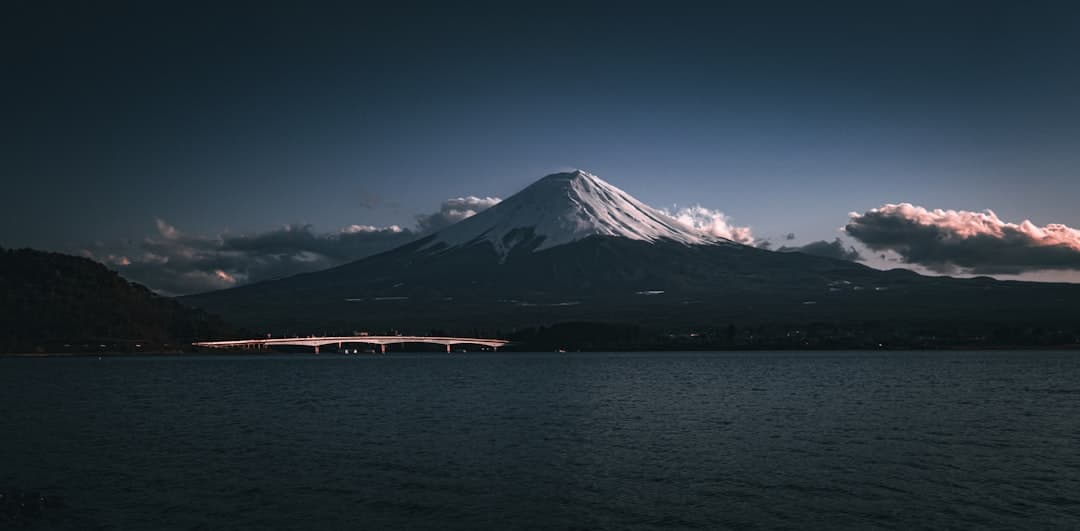
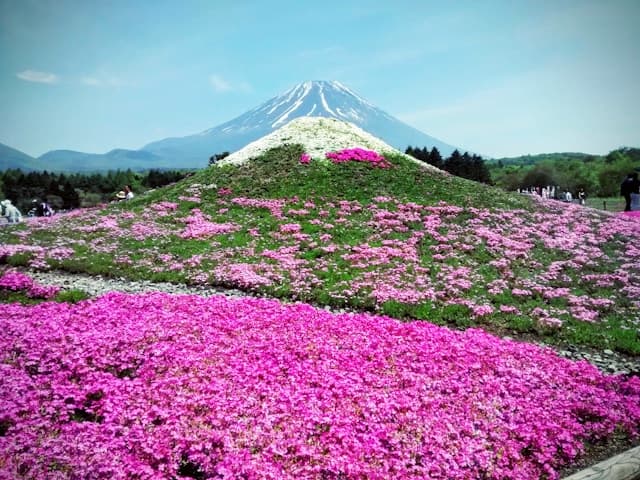
Planning your Mt. Fuji trip?
Top-rated tours and transport from Tokyo to Fuji

Affiliate links: we may earn a commission at no extra cost to you.
More Articles
Lake Motosu: The 1,000-Yen View, and When It Actually Appears
Lake Motosu is the deepest, clearest Fuji Five Lake and home of the 1,000-yen note view. Access, camping, costs, and when the reflection appears.
Mt. Fuji from Hakone: Best Viewpoints and Visibility Guide
Can you see Mt. Fuji from Hakone? Yes, on about half of all days. Here are the best viewpoints, when to go, and how to check conditions.
Hakone Ropeway: Fares, Route, Mt. Fuji Views and When It Closes
The Hakone Ropeway now charges one flat fare. Real 2026 prices, exactly where Mt. Fuji appears, and the closures nobody warns you about.