Paradise Mt Rainier: The Complete Visitor Guide for Every Season
Plan your trip to Paradise at Mt Rainier with trail details, parking tips, wildflower timing, and visibility forecasts.
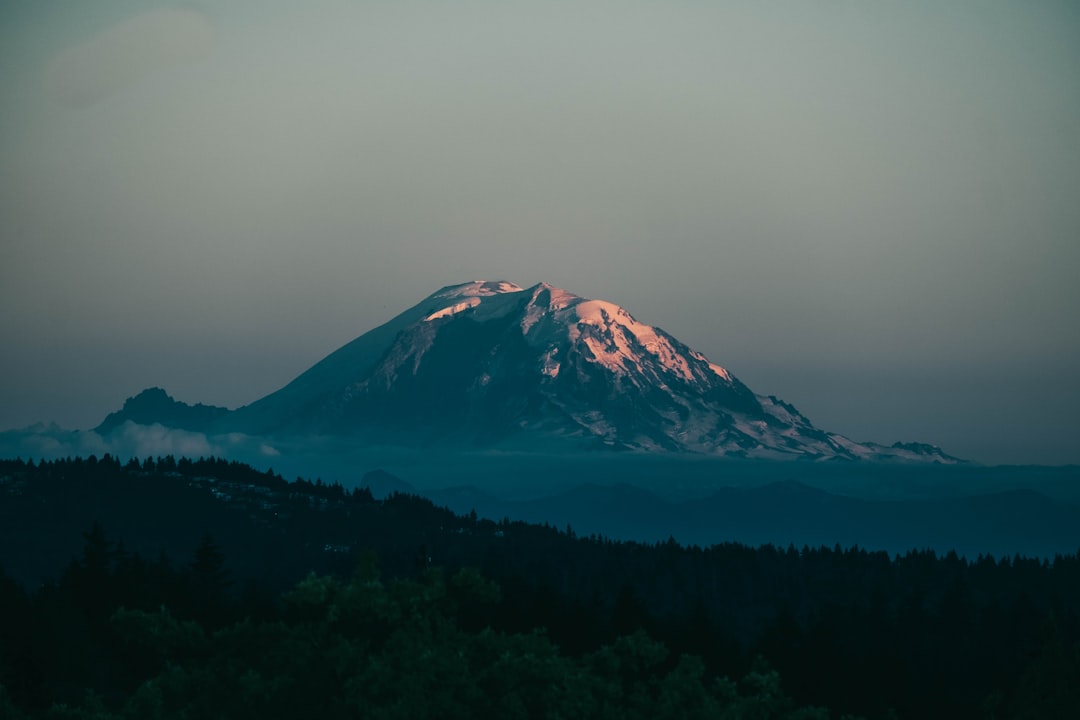
Table of Contents
- Why Paradise Is Mt. Rainier's Most Popular Destination
- Getting to Paradise
- Best Trails at Paradise Mt Rainier
- When to Visit Paradise
- Wildflower Season at Paradise
- Will You Actually See the Mountain?
- Where to Stay: Paradise Inn and Nearby Lodging
- Parking Strategy and Crowd Avoidance
- Winter at Paradise
- Frequently Asked Questions
Paradise at Mt Rainier is the single most visited area in Mount Rainier National Park, and it earns the name. At 5,400 feet, the Paradise area puts you face-to-face with the mountain's glaciers, wildflower meadows, and waterfalls without requiring technical climbing skills. Over two million visitors pass through here each year, drawn by subalpine trails that range from paved quarter-mile strolls to strenuous ridge climbs.
But "Paradise" does not guarantee a perfect visit. Clouds regularly hide the mountain from its own doorstep. Parking lots fill by mid-morning on summer weekends. And the weather at 5,400 feet can shift from sunshine to sideways rain in under an hour. This guide covers everything you need to know to plan a trip that actually delivers on the promise, from trail selection and wildflower timing to real-time visibility forecasts that tell you whether the mountain will cooperate.
Why Paradise Is Mt. Rainier's Most Popular Destination
Paradise sits on the south slope of Mt. Rainier, offering the closest road-accessible views of the mountain's summit and glaciers. The Henry M. Jackson Visitor Center anchors the area with exhibits, ranger programs, a bookstore, and restrooms. From the parking lot, you can see the Nisqually Glacier, the Tatoosh Range to the south, and on clear days, Mount Adams, Mount St. Helens, and Mount Hood stacked along the horizon.
What sets Paradise apart from other areas of the park is accessibility. The road from the Nisqually Entrance stays open year-round (weather permitting), while roads to Sunrise, Mowich Lake, and Carbon River close for winter. That makes Paradise the only high-elevation destination available twelve months of the year.
The area also concentrates the park's most iconic features into a compact zone. Myrtle Falls, wildflower meadows, glacier overlooks, and the historic Paradise Inn all sit within walking distance of each other. You could spend an hour here or an entire weekend and still find reasons to come back.
Getting to Paradise
Paradise is located 19 miles east of the Nisqually Entrance, the park's southwest gateway. The drive from the entrance gate to the Paradise parking area takes roughly 45 minutes, with stops at Christine Falls, Narada Falls, and Longmire along the way.
From Seattle: The drive is approximately 60 miles as the crow flies, but the road distance is closer to 95 miles via WA-7 and WA-706. Allow 2 to 2.5 hours without stops. For a detailed driving breakdown, see our distance and route guide.
From Sea-Tac Airport: The most direct route runs about 90 miles via WA-167 and WA-7, taking roughly 2 hours in normal traffic.
From Portland: Take I-5 north to WA-7 east. The drive covers about 160 miles and takes 3 to 3.5 hours.
Entrance Fees
The park entrance fee is $30 per vehicle and covers seven consecutive days. An America the Beautiful annual pass ($80) is accepted and covers all national parks. There are no timed entry reservations required for Mount Rainier in 2026.
Stops Worth Making on the Drive Up
Don't rush past these on your way to Paradise:
- Longmire (6 miles from entrance): The historic district has a small museum, the year-round National Park Inn, and trailheads into old-growth forest.
- Christine Falls (7 miles from entrance): A two-tier waterfall visible from a stone bridge right along the road. No hiking required.
- Narada Falls (11 miles from entrance): A 168-foot waterfall reached via a short, steep 0.2-mile trail from the parking pullout.
Best Trails at Paradise Mt Rainier
Paradise offers trails for every fitness level, from fully paved paths to strenuous ridge scrambles. All distances listed are round-trip.
| Trail | Distance | Elevation Gain | Difficulty | Highlights |
|---|---|---|---|---|
| Myrtle Falls | 0.8 mi | 100 ft | Easy | Iconic waterfall view with Rainier backdrop |
| Nisqually Vista | 1.2 mi | 200 ft | Easy | Paved trail, Nisqually Glacier overlook |
| Alta Vista | 1.8 mi | 600 ft | Moderate | 360-degree panoramic views |
| Skyline Trail Loop | 5.5 mi | 1,700 ft | Strenuous | Best loop in the park, Panorama Point |
| Bench and Snow Lakes | 2.4 mi | 700 ft | Moderate | Alpine lakes, fewer crowds |
| Pinnacle Peak | 2.6 mi | 1,050 ft | Strenuous | Tatoosh Range summit views |
The Must-Do: Skyline Trail
The Skyline Trail is the signature hike at Paradise and arguably the best day hike in the entire park. The full 5.5-mile loop climbs through wildflower meadows to Panorama Point at 6,800 feet, where you stand less than three miles from the Nisqually Glacier's terminus. On clear days, the views extend south to Mount Adams and the Oregon Cascades.
The trail is well-maintained but steep in sections, gaining most of its 1,700 feet of elevation in the first two miles. Snow can linger on the upper portions into mid-July, so check trail conditions before heading out. Budget 3 to 5 hours depending on your pace and photo stops. Our Skyline Trail guide covers the route landmark by landmark, which direction to hike, and 16 years of melt-out dates.
For Families and Casual Visitors
Start with Myrtle Falls. The 1-mile round trip from the visitor center drops to an overlook where the falls cascade down with Mt. Rainier framed behind them. It is the most photographed spot in the park for good reason. From there, the Nisqually Vista trail adds another easy mile on a paved path with glacier views.
Beyond Paradise: Nearby Trail Alternatives
Two excellent hikes start from trailheads near Paradise but feel like different worlds:
- Comet Falls (3.8 miles round-trip, 900 ft gain): A 320-foot waterfall accessed from the Van Trump Park trailhead, about 4 miles below Paradise on the main road. Less crowded than the Paradise meadow trails.
- Pinnacle Peak (2.6 miles round-trip, 1,050 ft gain): Starts at the Reflection Lakes parking area just south of Paradise. The summit scramble rewards you with views back toward Rainier and south into the Tatoosh Range.
When to Visit Paradise
The best time to visit Paradise at Mt Rainier depends on what you want to do. Each season transforms the area into something fundamentally different.
July and August are the peak months. Trails are snow-free, wildflowers are blooming, all facilities are open, and you get the longest daylight hours. This is also when crowds are heaviest and parking is most competitive. Check our best time to see Mt. Rainier guide for a month-by-month breakdown.
September is the local secret. Crowds thin dramatically after Labor Day, the weather often stays warm and stable, and fall color begins appearing in the lower meadows. The Paradise Inn closes at the end of September, but the visitor center and trails remain accessible.
October through November brings increasing rain and the first significant snowfall at Paradise elevation. The visitor center shifts to weekend-only hours. Unpredictable, but a clear October day at Paradise rivals anything summer offers.
December through March is winter paradise (literally). The area receives an average of 500 inches of snowfall annually, burying the landscape under 15 to 20 feet of snow. Snowshoeing, cross-country skiing, and ranger-led winter programs replace summer hiking.
April through June is the awkward transition. Snow still covers most trails, the road may close intermittently for storms, and facilities run on limited schedules. Late June can be lovely if you accept that "hiking" means post-holing through patchy snow.
Wildflower Season at Paradise
Peak wildflower bloom at Paradise runs from mid-July through mid-August, with the best displays typically occurring in the last week of July and first week of August. The exact timing shifts by one to three weeks depending on that winter's snowpack and the speed of the spring melt.
The meadows at Paradise host over 100 species of wildflowers. The most prominent include:
- Avalanche lilies (white, first to emerge as snow melts)
- Lupine (purple-blue, dominant across open meadows)
- Indian paintbrush (bright red-orange)
- Pink mountain heather (carpets rocky slopes)
- Western pasqueflower (white, transitions to wispy seed heads)
The bloom follows the snowline uphill. Lower meadows near the visitor center peak first, while upper sections along the Skyline Trail may not reach full bloom until early August. This staggered timing means you can usually find flowers somewhere in the Paradise area throughout July and August.
For the most current bloom status, the National Park Service wildflower page posts updates throughout the season.
Photography Tip
The best wildflower light comes in the first two hours after sunrise and the last hour before sunset, when side-lighting makes individual blooms glow against dark backgrounds. Midday light flattens the meadows. Combine your timing with a Mt. Rainier visibility check to confirm whether the mountain will be in frame behind the flowers.
Will You Actually See the Mountain?
Here is the irony that catches many first-time visitors off guard: you can drive to Paradise, stand at 5,400 feet on the flanks of Mt. Rainier, and not see the mountain at all.
Clouds and fog obscure Rainier's summit roughly 60 to 70% of days throughout the year. At Paradise specifically, the odds are worse than at other park locations because of the area's position on the mountain's southwest slope. Moist Pacific air funnels up the Nisqually River valley, hits the ridge where Paradise sits, and condenses into clouds. You can literally watch clouds form in front of you from the Glacier Vista trail while the rest of the sky looks blue.
Paradise vs. Sunrise: The Visibility Split
On partially cloudy days, Sunrise (6,400 feet, northeast side) often sits in sunshine while Paradise gets socked in with clouds. The reason is geography. Prevailing weather systems approach from the southwest, hitting Paradise first. By the time the air crosses the mountain to Sunrise, much of the moisture has already precipitated out.
This means that if the Mt. Rainier visibility forecast shows mixed conditions, Sunrise may be the better bet for mountain views. The catch: the Sunrise road only opens from late June through early October, so this backup plan is summer-only.
How to Maximize Your Odds
The best visibility at Paradise follows a predictable pattern. Use these guidelines to pick the right day:
- Check the forecast first. Our Mt. Rainier visibility page uses visibility scores from our weighted atmospheric model that factors in cloud cover, humidity, precipitation, and wind to give you a single score. A score above 70 means excellent odds of seeing the summit.
- Go after a storm clears. The 24 to 48 hours after a weather system passes produce the cleanest air and clearest views. Cold, dry air from the north sweeps out the moisture.
- Arrive early. Mornings are clearer than afternoons at Paradise. Convective clouds build throughout the day as the sun heats the slopes, so mountain views that were crisp at 8 AM may vanish by noon.
- Summer is best, but not guaranteed. July and August have the highest visibility rates, but even in peak summer, you will encounter cloudy days. Check the recreational forecast and weather conditions before committing to the drive.
Where to Stay: Paradise Inn and Nearby Lodging
Paradise Inn
The Paradise Inn is a historic lodge built in 1916, sitting at 5,400 feet right in the heart of the Paradise area. The 2026 season runs from May 18 through September 30.
Room rates range from $313 to $559 per night depending on room type and date. There are 121 rooms total, split between the main lodge and the annex. A few things worth knowing:
- No televisions, no telephones, no internet. Cell service is available.
- The main dining room serves buffet breakfast and sit-down lunch and dinner.
- Reservations fill up months in advance for July and August weekends. Book early through Mt. Rainier Guest Services or call 855-755-2275.
- A $2.00 per night Washington National Park Fund surcharge applies.
National Park Inn at Longmire
For year-round lodging inside the park, the National Park Inn at Longmire stays open all twelve months. It sits 12 miles below Paradise at 2,762 feet, offering a warmer, lower-elevation base. Rates are generally lower than Paradise Inn.
Gateway Towns
If the in-park lodges are booked, several gateway communities offer alternatives:
- Ashford (6 miles from Nisqually Entrance): The closest town with cabins, lodges, and vacation rentals. This is where most visitors stay.
- Packwood (12 miles from Stevens Canyon Entrance): A small mountain town with motels, vacation rentals, and restaurants.
- Elbe/National (14 miles from Nisqually Entrance): Quirky railroad-town accommodations including caboose stays.
Parking Strategy and Crowd Avoidance
Parking at Paradise fills by 10 AM on sunny summer weekends. Once the lots are full, rangers close the road and turn cars away until spaces open up. This is the single biggest frustration visitors report, and it is entirely avoidable with the right timing.
The Timing Sweet Spots
Before 9 AM: Arrive early and you will park without issue. The drive from Seattle takes about 2.5 hours, so leaving at 6 AM puts you at Paradise before the rush.
After 5 PM: The evening window opens up as day-trippers leave. Summer daylight lasts until nearly 9 PM, giving you three to four hours of beautiful late-afternoon light with a fraction of the crowds.
Midday (10 AM to 4 PM): This is the danger zone. Avoid it entirely on weekends from July through September unless you enjoy circling a parking lot.
Weekday Advantage
Visiting Monday through Thursday eliminates most parking stress. The difference between a Saturday and a Tuesday at Paradise in July is dramatic. Trails that feel like a highway on weekends become peaceful on weekdays.
Overflow Parking
When the main Paradise lots fill, you can park along the one-way Paradise Valley Road (right side only). If that is also full, continue to Reflection Lakes and hike back to Paradise on the Wonderland Trail connector, roughly 1.5 miles each way.
Winter at Paradise
Paradise in winter is a completely different destination, and arguably a more magical one. The area averages 500 inches of snowfall per year, and by February, the snow depth regularly exceeds 15 feet. Buildings disappear. Trail signs vanish. The landscape becomes a white wilderness.
What You Can Do
- Snowshoeing: The most popular winter activity. Rangers lead free guided snowshoe walks on weekends and holidays from late December through March (snowshoes provided). Self-guided snowshoeing is available anytime on ungroomed terrain.
- Cross-country skiing: No groomed trails, but the road and meadow terrain provides excellent touring for intermediate skiers.
- Sledding and tubing: A designated snow play area near the parking lot offers sliding for families. Bring your own equipment.
- Winter photography: Fresh snow on Rainier with clear winter skies produces some of the most dramatic images possible. Post-storm clearings are the time to go.
Winter Access Details
The road to Paradise stays open year-round, but winter access comes with caveats. Chains are required for all vehicles from November through April (no exceptions, even with AWD). The road may close temporarily during active storms. The visitor center operates weekends and holidays only from mid-October through April.
Check the NPS road status page before driving. For current mountain conditions, our Mt. Rainier visibility forecast shows whether the sky is clear enough to make the winter drive worthwhile.
Frequently Asked Questions
Is Paradise at Mt. Rainier open year-round?
The road to Paradise and the parking area are open year-round, though temporary closures happen during severe winter storms. The Henry M. Jackson Visitor Center is open daily from May through early October, then weekends and holidays only from mid-October through April. The Paradise Inn operates seasonally from mid-May through the end of September.
Do I need a reservation to visit Paradise in 2026?
No. Mount Rainier National Park is not implementing timed entry reservations for any area of the park in 2026. You only need to pay the $30 vehicle entrance fee (or have an America the Beautiful Pass) at the gate.
How long should I spend at Paradise?
Plan for a minimum of 3 to 4 hours to see Myrtle Falls, walk the Nisqually Vista trail, and explore the visitor center. If you want to hike the Skyline Trail loop, budget a full day. Many visitors combine Paradise with stops at Longmire, Narada Falls, and Reflection Lakes, which makes it a dawn-to-dusk outing.
Can I see Mt. Rainier from Paradise on a cloudy day?
Often, no. Cloud cover at Paradise can completely obscure views of the summit and glaciers, even though you are standing on the mountain itself. Before driving up, check the Mt. Rainier visibility forecast to see current conditions. Even on cloudy days, the waterfalls, old-growth forests below Paradise, and the visitor center exhibits are worth the visit.
What should I bring to Paradise?
Layers are essential regardless of season. Summer temperatures at 5,400 feet run 10 to 15 degrees cooler than Seattle, and afternoon thunderstorms can blow in quickly. Bring a rain jacket, sun protection, sturdy shoes (hiking boots for any trail beyond Myrtle Falls), water, and snacks. There is no gas station, grocery store, or ATM at Paradise. Fill your tank before entering the park.
More Articles
Best Mt. Fuji Viewing Locations: Kawaguchiko vs Tokyo vs Hakone Compared
Compare the best places to see Mt. Fuji with real visibility data. Find out which location offers the best views for your trip.
Fuji Hakone Pass: What It Covers, the Cost Math, and the Leg It Misses
The Fuji Hakone Pass costs 11,100 yen for three days across both regions. Here is the break-even math and the return leg it quietly leaves out.
Hakone Ropeway: Fares, Route, Mt. Fuji Views and When It Closes
The Hakone Ropeway now charges one flat fare. Real 2026 prices, exactly where Mt. Fuji appears, and the closures nobody warns you about.