How Far Is Mt. Rainier from Seattle? Distance, Drive Times, and Routes
Mt. Rainier is 59 miles from Seattle. Get drive times, routes to every entrance, and total trip costs.

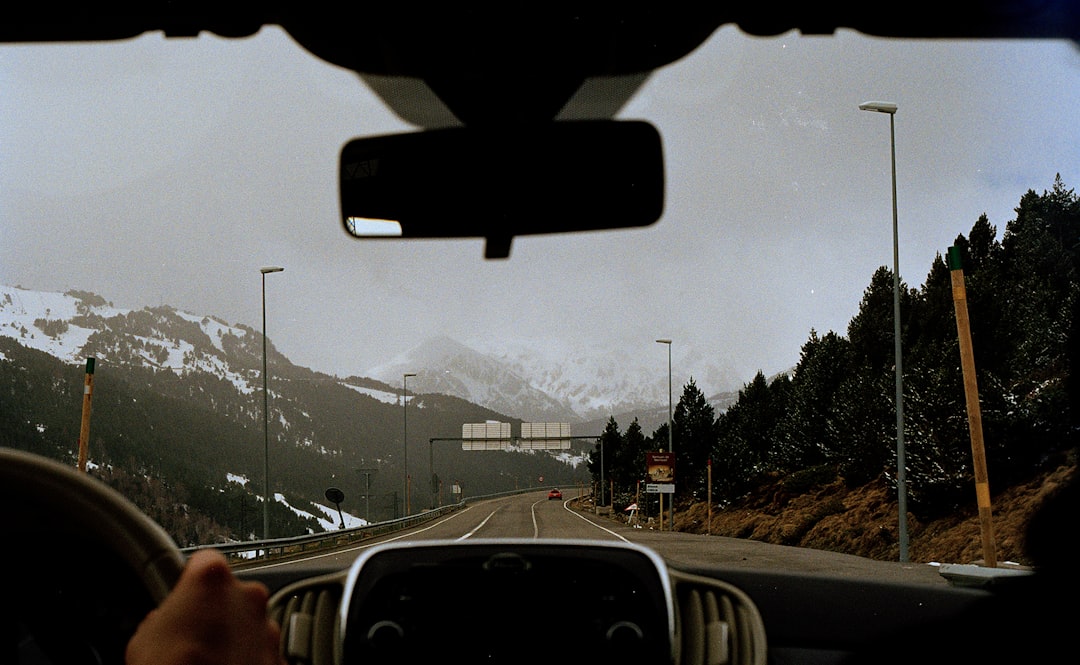
How far is Mt. Rainier from Seattle?
Mt. Rainier is approximately 59 miles southeast of downtown Seattle in a straight line. Driving distance ranges from 70 to 110 miles depending on which park entrance you use, with drive times between 1 hour 45 minutes and 2 hours 30 minutes in light traffic. Check our real-time Mt. Rainier visibility forecast to see if the mountain is visible from the city before you go.
How far is Mt. Rainier from Seattle? The straight-line answer is 59 miles. The practical answer depends on which entrance you need, what time you leave, and whether you hit I-5 traffic south of downtown.
Most visitors head to Paradise, the park's most popular destination. That drive covers about 95 miles and takes two hours on a quiet weekday morning. On a July Saturday? Closer to three.
This guide breaks down the distance and drive time to every park entrance, covers what the trip actually costs, and addresses something the distance question overlooks: on many days, you can see Rainier just fine without driving anywhere at all.
Straight-Line Distance vs. Driving Distance
Mt. Rainier's summit sits 59 miles south-southeast of downtown Seattle at a compass bearing of roughly 155 degrees. That number matters for visibility from the city, but it tells you almost nothing about how long you will spend in the car.
No road cuts straight through the Cascade foothills. Every route winds through river valleys, small towns like Enumclaw and Ashford, and stretches of two-lane highway where passing is limited. The result: driving distances run 20% to 85% longer than the straight-line figure.
Here is how the numbers break down from downtown Seattle:
| Destination | Straight Line | Driving Distance | Drive Time (No Traffic) |
|---|---|---|---|
| Carbon River Entrance | 50 mi | 70 mi | 1 hr 45 min |
| Mowich Lake | 48 mi | 75 mi | 2 hours |
| White River / Sunrise | 58 mi | 85-95 mi | 2 hr 15 min |
| Nisqually / Paradise | 59 mi | 95-99 mi | 2 hours |
| Stevens Canyon | 65 mi | 110 mi | 2 hr 30 min |
Those times assume free-flowing traffic. On summer weekends, add 30 to 60 minutes for congestion, plus potential waits at entrance gates.
How Far Is Mt. Rainier from Seattle Airport?
Seattle-Tacoma International Airport (SEA) is 52 miles from the summit and roughly 80 miles by road from the Nisqually Entrance. The drive takes about 1 hour 45 minutes, making a day trip to the park realistic even if your flight lands mid-morning.
From SEA, take I-5 south to Highway 512 east, then Highway 7 south through Elbe to Highway 706. This route skips downtown Seattle entirely, which saves real time during rush hours.
On clear days, you can often spot Rainier from the airport itself. The view from the light rail platform outside the terminal looks directly toward the mountain.
Routes to Each Park Entrance
Nisqually Entrance (Most Popular)
The Nisqually Entrance is the only entrance open year-round and the gateway to Longmire and Paradise.
Route: I-5 south to Exit 127, WA-512 east (9 miles), WA-7 south through Eatonville (24 miles), WA-706 east through Ashford to the entrance (15 miles).
Total: About 95 miles, 2 hours. From the entrance gate, Longmire is 7 miles further and Paradise is 19 miles up a winding mountain road. Budget an extra 30 to 45 minutes from the gate to Paradise.
GPS sometimes suggests shortcuts on rural roads south of Eatonville. Ignore them. Those back roads are slower and poorly maintained.
White River Entrance (For Sunrise)
Sunrise at 6,400 feet is the highest point you can reach by car in the park. The White River Entrance opens seasonally, typically late June through early October.
Route: I-405 south to WA-167 south, then WA-410 east through Enumclaw and into the park.
Total: 85 to 95 miles, about 2 hours 15 minutes. The final stretch through the foothills is scenic but slow.
Carbon River Entrance
Carbon River is the closest entrance to Seattle by driving distance and the least crowded. The road beyond the entrance gate has been closed to vehicles since 2006 due to flood damage, so access is on foot or bicycle only.
Route: WA-167 south to WA-410 east, then WA-165 south.
Total: About 70 miles, 1 hour 45 minutes. Ideal for hikers who want solitude.
Stevens Canyon Entrance
This eastern approach via US-12 and WA-123 makes sense if you are looping through the park or coming from Yakima. From Seattle, it is the longest route at 110 miles. Open seasonally from late May through October.
When Traffic Actually Hits
Competitors will tell you to "arrive early." Here is what that means in practice.
Weekday mornings are the sweet spot. Leave Seattle by 7 AM and you will hit almost no congestion on I-5 or the park roads. The stretch through Eatonville and Ashford stays quiet.
Weekend mornings are a different story. From late June through September, the Nisqually Entrance gate can back up by 9:30 AM. The parking lot at Paradise regularly fills by 10 AM on Saturdays. If you arrive after that, you may idle in your car for 30 minutes waiting for a spot to open.
Friday afternoons are the worst. Seattle commuters heading south on I-5 mix with weekend park visitors, and the highway between Federal Way and Tacoma can add 45 minutes to your drive.
Winter removes almost all congestion. The Nisqually Entrance stays open year-round, and you will rarely wait at the gate between November and April. The road to Paradise may require chains, though, so check the NPS road status page before leaving.
For a broader look at seasonal conditions, our Mt. Rainier weather guide covers what to expect month by month.
What the Trip Actually Costs
Nobody seems to add this up, so here it is. A round trip from Seattle to Paradise for two people in a personal vehicle:
| Expense | Cost |
|---|---|
| Gas (190 miles round trip, 28 mpg, ~$3.90/gal) | ~$26 |
| Park entrance fee (per vehicle, 7-day pass) | $30 |
| Food (packed lunch for two) | $15-20 |
| Total (budget trip) | ~$71-76 |
Add-ons that change the math:
- Restaurant meal in Ashford: $30-50 for two
- Annual park pass: $55 (pays for itself in two visits)
- America the Beautiful Pass: $80 (covers all federal recreation sites for a year)
If you don't have a car, guided day tours from Seattle run $150 to $200 per person including transportation and entrance fees. That is the simplest option for solo travelers or visitors without rentals.
Important for 2026: Mt. Rainier has dropped its timed-entry reservation system this year. All entrances are first-come, first-served, which means arriving early matters more than ever.
The park is also completely cashless at all entrance stations. Bring a credit or debit card. You can purchase passes in advance on Recreation.gov.
EV Charging Along the Route
If you are driving an electric vehicle, plan your charging stops before you leave. Charging infrastructure near the park is limited, though it has improved.
Inside the park, there are three Level 2 chargers: one at Paradise Inn and two at National Park Inn in Longmire. These are slow chargers, so they work best if you are spending several hours hiking while your car tops off.
Along the US-12 corridor, chargers are available in Chehalis, Morton, Elbe, Packwood, and several other small towns. Visit Rainier maintains an updated list of stations along this route.
The safest approach: charge fully in Seattle or Tacoma before heading south. The round trip to Paradise and back is about 190 miles, which is within range for most modern EVs but leaves little margin if you are exploring side roads or sitting in traffic with the heat running.
You Don't Always Have to Drive
Here is the thing the distance question misses: you can see Mt. Rainier from Seattle without leaving the city.
On clear days, the mountain fills the southeastern skyline. At 14,411 feet, Rainier is visible from dozens of spots across the metro area. Kerry Park on Queen Anne Hill frames it behind the Space Needle. The Columbia Center Sky View Observatory puts you above the haze. Even the I-90 bridge across Lake Washington offers an unobstructed view on good days.
The catch is that Rainier is only visible from Seattle about 83 days per year. Cloud cover, haze, and wildfire smoke hide it the rest of the time. Our Mt. Rainier visibility forecast uses a weighted atmospheric model to predict whether the mountain will be visible right now and over the next 10 days. If you are debating whether to make the drive, check the forecast first.
A day when the mountain is out from a Seattle viewpoint can be just as memorable as a day inside the park. And it costs nothing.
Which Entrance Should You Use?
The right entrance depends on when you are visiting and what you want to do. For a complete map of the park and its trail systems, see our detailed guide.
| Season | Best Entrance | Why |
|---|---|---|
| Winter (Nov-May) | Nisqually | Only entrance open year-round |
| Summer weekday | White River or Carbon River | Fewer crowds than Paradise |
| Summer weekend | Nisqually (before 8 AM) | Best facilities, but expect waits after 9:30 |
| Fall (Sep-Oct) | Nisqually or White River | Both open, thinning crowds |
The park recorded over 1.7 million visitors in recent years, and most of that traffic funnels through the Nisqually gate on summer weekends between 10 AM and 2 PM. The best time to visit is early on a weekday morning in July or August.
Frequently Asked Questions
How long does it take to drive from Seattle to Mt. Rainier?
About 2 hours to the Nisqually Entrance without traffic, plus 30 to 45 minutes from the gate to Paradise. On summer weekends, add 30 to 60 minutes for highway congestion and entrance waits.
Can you do Mt. Rainier as a day trip from Seattle?
Yes. Leave by 7 AM, arrive before crowds, spend 4 to 5 hours hiking and exploring Paradise, and return to Seattle by early evening. The round-trip driving time is roughly 4 hours, leaving plenty of time in the park.
How much does it cost to enter Mt. Rainier National Park?
The entrance fee is $30 per vehicle, valid for seven consecutive days. Motorcycles pay $25, walk-up or bicycle visitors pay $15 per person. An annual park pass costs $55. All entrance stations are cashless.
Can you see Mt. Rainier from Seattle without going to the park?
On clear days, absolutely. Rainier is visible from Kerry Park, the Columbia Center observatory, and many other spots across the metro area. Check our visibility forecast to see if the mountain is out before heading to a viewpoint.
More Articles
Best Mt. Fuji Viewing Locations: Kawaguchiko vs Tokyo vs Hakone Compared
Compare the best places to see Mt. Fuji with real visibility data. Find out which location offers the best views for your trip.
Fuji Hakone Pass: What It Covers, the Cost Math, and the Leg It Misses
The Fuji Hakone Pass costs 11,100 yen for three days across both regions. Here is the break-even math and the return leg it quietly leaves out.
Hakone Ropeway: Fares, Route, Mt. Fuji Views and When It Closes
The Hakone Ropeway now charges one flat fare. Real 2026 prices, exactly where Mt. Fuji appears, and the closures nobody warns you about.