Mt. Rainier from Seattle: Where to See the Mountain and When It's Visible
Discover where to see Mt. Rainier from Seattle with the best viewpoints, seasonal visibility patterns, and photography tips for clear mountain views.

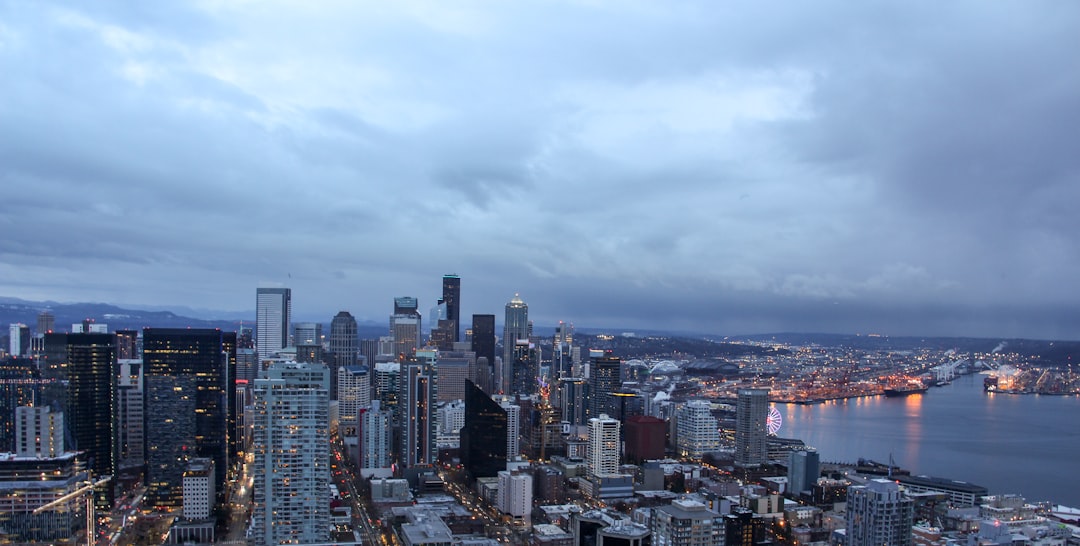
On a clear day, the view of Mt. Rainier from Seattle is impossibly large. The 14,411-foot volcano fills the southeastern horizon like a painted backdrop, its glaciers catching sunlight from nearly 60 miles away. Locals call these moments "the mountain is out," and they happen far less often than most visitors expect.
Rainier is visible from Seattle roughly 83 days per year. That means the odds on any given day sit around 23%. If you are visiting for a long weekend, you have a reasonable shot. If you are in town for a single afternoon, you need to plan carefully and check conditions before heading to a viewpoint.
This guide covers the best places to see Mt. Rainier from Seattle, when visibility peaks throughout the year, and how to photograph the mountain from the city. Whether you are a local waiting for the clouds to part or a visitor hoping to catch a glimpse, these spots and strategies will give you the best chance.
How Far Is Mt. Rainier from Seattle?
Mt. Rainier sits approximately 59 miles southeast of downtown Seattle as the crow flies. By car, the drive to the Nisqually Entrance of Mt. Rainier National Park covers about 95 miles and takes roughly two hours without traffic. Our Mt. Rainier map guide covers all the park entrances and driving routes in detail.
That 59-mile straight-line distance matters for visibility. At that range, the curvature of the Earth hides about 2,300 feet of the mountain's base. You never see the full 14,411 feet from Seattle. What you see is the upper 12,000 feet or so, which is still enormous. On exceptionally clear days, Rainier appears so sharp and close that newcomers sometimes think the mountain is only 10 or 15 miles away.
The mountain sits to the south-southeast of downtown Seattle, roughly at a compass bearing of 155 degrees. This orientation matters for photography: Rainier catches the first light of sunrise on its western face (the side facing Seattle) and glows pink and orange during sunset alpenglow.
Best Viewpoints for Mt. Rainier from Seattle
Not every spot in Seattle offers a Rainier view. Buildings, hills, and trees block sightlines across much of the city. These viewpoints are proven locations where the mountain appears large, unobstructed, and photogenic.
Kerry Park
Kerry Park is the single most popular spot to see Mt. Rainier from Seattle, and for good reason. Located at 211 W Highland Drive on Queen Anne Hill, the park sits elevated above downtown, framing Rainier behind the Space Needle and the city skyline.
Street parking along Highland Drive is free but fills quickly on clear days. Arrive early, especially before sunset. If the streets near the park are full, try the residential blocks north of W Lee Street, a five-minute walk away. Bus Route 2 from downtown stops at Queen Anne Ave N and W Highland Drive.
The classic Kerry Park shot puts the Space Needle in the foreground with Rainier towering behind it. It has become one of the most photographed compositions in the Pacific Northwest. For the best light, visit during morning golden hour when the mountain catches warm, direct sun.
Sky View Observatory at Columbia Center
The Sky View Observatory on the 73rd floor of Columbia Center is the highest public viewpoint in Seattle at 902 feet above street level. On clear days, the floor-to-ceiling windows provide a panoramic view that stretches from Mount Baker in the north to Rainier in the south.
General admission costs $23 for adults, $20 for seniors, and $17 for children ages 5 to 13. The observatory is open daily. Unlike Kerry Park, you do not need to worry about weather exposure here, and the elevated vantage point often lets you see Rainier even when low-lying fog obscures ground-level views.
University of Washington Drumheller Fountain
Rainier Vista on the UW campus is a designed sightline. The long, open corridor of grass and trees leads your eye directly to Drumheller Fountain, with Mt. Rainier centered perfectly behind it. The Olmsted Brothers landscape firm planned this axis in the early 1900s specifically to frame the mountain.
This spot is free, open year-round, and especially striking during cherry blossom season in late March and early April, when the Yoshino cherry trees lining the Quad bloom in soft pink. Combine the blossoms, the fountain, and a clear Rainier for one of Seattle's most memorable photographs.
Seward Park
Seward Park sits on a peninsula in Lake Washington and offers unobstructed views across the water toward Rainier. The combination of the lake in the foreground and the mountain behind creates a completely different composition than Queen Anne or downtown viewpoints.
The park has free parking, walking trails, and picnic areas. It is one of the more relaxed viewing locations, well-suited for families or anyone who wants to spend time in nature rather than standing at a crowded overlook.
Jefferson Park and Beacon Hill
The south end of Beacon Hill provides some of the most underrated Rainier views in the city. Jefferson Park's upper meadow and the areas along Beacon Avenue S look directly south toward the mountain with fewer crowds than Kerry Park.
These neighborhoods sit along the Rainier Avenue corridor, which aligns roughly with the mountain's bearing from downtown. It is no coincidence that the avenue carries the mountain's name.
The Seattle Waterfront and Ferries
On clear days, the Washington State Ferries between Seattle and Bainbridge Island or Bremerton offer sweeping views of the Seattle skyline with Rainier behind it. The departure from the Seattle terminal heading west gives you the best angle, looking back at the city with the mountain rising above the buildings.
The ferry costs around $9 for a walk-on passenger. It is one of the few viewpoints where you get both motion and a changing perspective as the boat crosses Elliott Bay.
When Is Mt. Rainier Most Visible from Seattle?
July through September delivers the highest visibility rates for Mt. Rainier from Seattle. During these months, Pacific high-pressure ridges push storms away from the region, producing stretches of clear, dry weather that can last a week or more.
| Season | Visibility | Best For |
|---|---|---|
| Summer (Jun-Sep) | Highest; clear skies dominate | Reliable views, first-time visitors |
| Fall (Oct-Nov) | Good; crisp post-rain clarity | Dramatic light, snow-dusted peak |
| Winter (Dec-Feb) | Low; frequent rain and clouds | Rare but spectacular storm clearings |
| Spring (Mar-May) | Variable; improving steadily | Cherry blossoms + Rainier combo |
Winter visibility is low overall, but the days when the mountain does appear tend to be extraordinary. Cold, dry air behind a departing storm scrubs the atmosphere clean. Rainier looks sharper and more detailed on a clear January morning than on a hazy August afternoon. The Mt. Rainier weather guide breaks down these seasonal patterns in detail.
Our Mt. Rainier visibility forecast tracks cloud cover, humidity, wind, and precipitation using a weighted atmospheric model to predict whether the mountain will be visible. The forecast updates every 15 minutes and extends 10 days ahead, so you can plan around the best windows.
Time of Day Matters
Morning is the best time of day to see Mt. Rainier from Seattle. Overnight cooling stabilizes the atmosphere and reduces haze. By early afternoon on warm days, convective heating creates thermals that build cumulus clouds around the summit, often hiding it from view even when Seattle itself stays sunny.
If you only have one chance to check, go before 10 AM. Mornings also offer the advantage of direct sunlight hitting Rainier's west-facing glaciers, which is the side visible from Seattle. Late afternoon and sunset can produce stunning alpenglow, but the mountain is more likely to be cloud-capped by then.
Photographing Mt. Rainier from Seattle
Mt. Rainier sits to the south-southeast of Seattle. This means morning light hits the mountain's face directly, making sunrise through mid-morning the prime photography window for warm, even illumination. By midday, the light becomes flat and harsh. Sunset does not light the mountain directly, but alpenglow, the reflection of sunset colors off glacial ice, creates vivid pinks and oranges that last only a few minutes after the sun drops below the horizon.
Gear and Settings
You do not need a telephoto lens to photograph Rainier from Seattle, but one helps. At 59 miles, the mountain appears roughly 2 degrees wide in the sky. A 200mm lens on a full-frame camera makes it a solid presence in the frame. At 400mm, you can resolve individual glaciers and ridgelines.
For the classic Kerry Park composition with the Space Needle in the foreground, a 70-200mm zoom gives you flexibility. Wider lenses work for landscape compositions at Seward Park or the waterfront, where the lake or bay provides foreground interest.
The Alpenglow Window
Alpenglow on Rainier is worth planning around. It occurs in the minutes just after sunset when the mountain's snow and ice catch reddish light that has traveled through more atmosphere. The peak color lasts roughly five to eight minutes. Arrive at your viewpoint at least 20 minutes before sunset and keep shooting after the sun disappears. The best color often comes two to five minutes post-sunset.
Winter alpenglow tends to be more vivid because the sun sets further to the southwest, creating a longer atmospheric path that deepens the color. A December alpenglow from Kerry Park, with the city lights beginning to flicker on below, is one of the great photographic moments in the Pacific Northwest.
For more mountain photography techniques, our Mt. Fuji photography guide covers many of the same principles around atmospheric conditions, lens selection, and timing that apply to Rainier as well.
Day Trips: Driving to Mt. Rainier from Seattle
Seeing Rainier from Seattle is one thing. Standing at its base is something else entirely. The mountain that looked like a painting from Kerry Park becomes an overwhelming wall of ice and rock when you are looking up at it from Paradise at 5,400 feet.
Getting There
The most popular route from Seattle follows I-5 south to Highway 512, then Highway 7 to Highway 706, entering through the Nisqually Entrance. This drive takes about two hours in normal traffic. On summer weekends, expect delays at the park entrance. The National Park Service posts current road conditions and wait times.
The Sunrise area on the mountain's northeast side takes roughly 2.5 hours from Seattle via Highway 410. Sunrise sits at 6,400 feet and offers the highest point accessible by car in the park. The road to Sunrise typically opens in late June or early July and closes in October.
What to Expect
The park entrance fee is $30 per vehicle, valid for seven days. Paradise is the most visited area, with the Jackson Visitor Center, extensive trail networks, and the famous wildflower meadows that peak in late July and August. Even in summer, bring layers. Temperatures at Paradise run 15 to 20 degrees cooler than Seattle.
If the mountain was visible from Seattle that morning, conditions inside the park are usually excellent. But Rainier creates its own weather. Clouds can build around the summit by afternoon even when the lowlands remain clear. Starting your day trip early gives you the best chance of summit views from within the park, which aligns with the same morning-is-best principle that applies to city viewing.
For more on the mountain itself, including its 14,411-foot elevation and volcanic history, check our detailed Rainier guides.
Why Rainier Disappears (and What to Do About It)
The Pacific Northwest earns its reputation for grey skies. Seattle averages about 150 days with measurable precipitation, and marine cloud layers can sit over the region for weeks during winter. But even cloud cover alone does not fully explain why Rainier hides so often.
The mountain generates its own cloud systems through orographic lift. Moist air from the Pacific hits Rainier's western slopes, rises, cools, and condenses into clouds that can wrap the peak in a lenticular cap while the surrounding lowlands stay clear. This means a sunny day in Seattle does not guarantee a visible Rainier. You need both clear lowland skies AND stable upper-level air to get an unobstructed view.
Wildfire smoke is the other major visibility killer, especially from late July through September. Smoke from fires in Washington, Oregon, and British Columbia can reduce visibility to under five miles, turning Rainier into a vague silhouette even on otherwise cloudless days. Our visibility forecast at isitvisible.com/rainier factors in air quality data to account for smoke.
The silver lining of all this unpredictability: when Rainier does appear, it feels like an event. There is a reason the phrase "the mountain is out" carries so much weight in Seattle. The mountain's intermittent visibility makes it perpetually exciting rather than just another part of the scenery.
Frequently Asked Questions
Can you see Mt. Rainier from the Space Needle?
Yes. The Space Needle's observation deck at 520 feet provides clear sightlines to the south and southeast on days when the mountain is visible. Tickets start at $37.50 for adults. For an even higher vantage point, the Sky View Observatory at Columbia Center reaches 902 feet and costs $23. Both require clear weather, so check the visibility forecast before buying tickets.
How far is Mt. Rainier from Seattle airport?
Seattle-Tacoma International Airport (SEA) sits about 52 miles northwest of Mt. Rainier's summit. On clear days, you can see the mountain immediately after landing, especially from the light rail platform outside the terminal. The drive from SEA to the Nisqually Entrance of the park takes roughly 1 hour 45 minutes.
What is the best month to see Mt. Rainier from Seattle?
July and August offer the highest probability of clear views. These months receive the least precipitation, with only about 1.5 inches of rain each at lower elevations. September is also excellent, often combining clear skies with reduced wildfire smoke. For a complete month-by-month breakdown, see our best time to see Mt. Rainier guide.
Why can't I see Mt. Rainier even when it's sunny in Seattle?
Clear skies in Seattle do not always mean Rainier is visible. The mountain creates its own weather through orographic lift, producing summit clouds even on sunny lowland days. Atmospheric haze, wildfire smoke, and high humidity can also obscure the mountain. Morning hours before 10 AM offer the best odds because the atmosphere is more stable and less hazy.
Check Today's Visibility
Before heading to any viewpoint, check whether the mountain is actually out. Our Mt. Rainier visibility forecast combines real-time atmospheric data from our weighted scoring model to predict viewing conditions right now and over the next 10 days. Pair the forecast with the Mt. Rainier webcam guide for live visual confirmation, and you will never waste a trip to Kerry Park on a cloudy day.
More Articles
Best Mt. Fuji Viewing Locations: Kawaguchiko vs Tokyo vs Hakone Compared
Compare the best places to see Mt. Fuji with real visibility data. Find out which location offers the best views for your trip.
Fuji Hakone Pass: What It Covers, the Cost Math, and the Leg It Misses
The Fuji Hakone Pass costs 11,100 yen for three days across both regions. Here is the break-even math and the return leg it quietly leaves out.
Hakone Ropeway: Fares, Route, Mt. Fuji Views and When It Closes
The Hakone Ropeway now charges one flat fare. Real 2026 prices, exactly where Mt. Fuji appears, and the closures nobody warns you about.