Mount Fuji Visibility: Complete Guide to Clear Views by Season, Time, and Location
Mount fuji visibility depends on season, time of day, and humidity. This guide covers monthly statistics, best viewing spots, and how to check real-time conditions.

What Determines Mount Fuji Visibility?
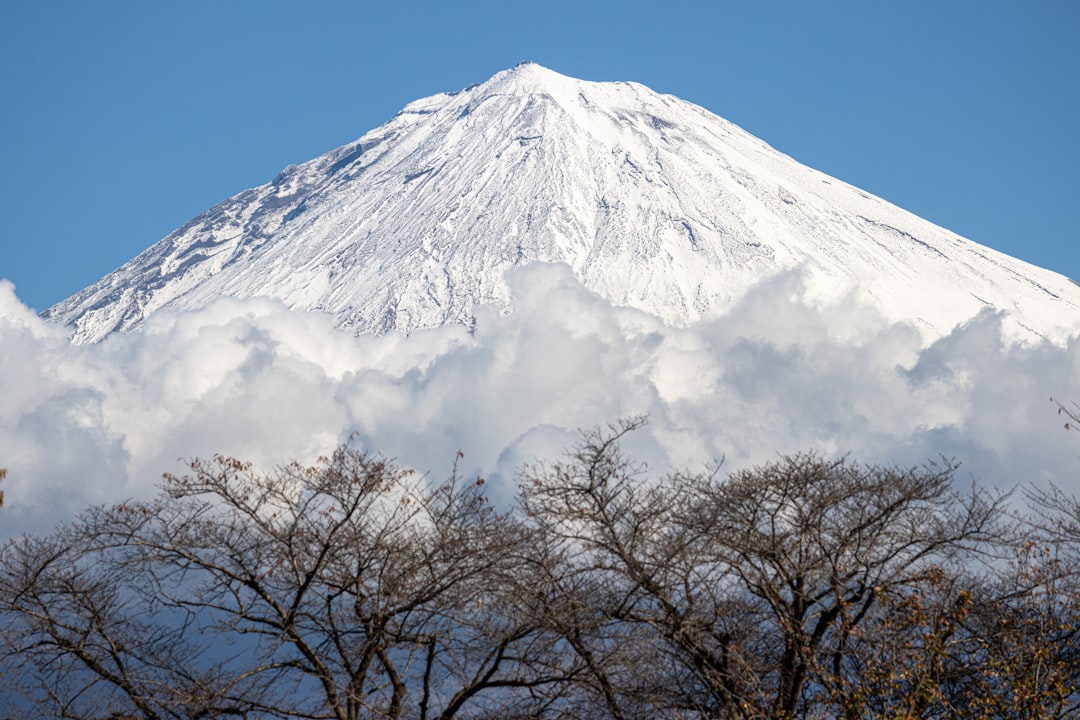
Mount Fuji visibility is shaped primarily by humidity, cloud cover, and atmospheric haze, not by rain or temperature alone. Winter months (November through February) deliver the clearest conditions, with December and January seeing the mountain fully visible on over 60% of days. Summer brings humid Pacific air and monsoon rains that shroud the peak for weeks at a time. Check our real-time Mt. Fuji visibility forecast to see current conditions before heading out.
Table of Contents
- What Affects Mount Fuji Visibility
- Mount Fuji Visibility by Month
- Best Time of Day to See Mt. Fuji
- Best Locations for Viewing Mt. Fuji
- How to Check Current Visibility
- Frequently Asked Questions
- Planning Your Visit
What Affects Mount Fuji Visibility
Mount Fuji visibility is not simply a matter of whether it is raining. The mountain can be completely hidden on a cloudless day if humid air has built up around its slopes, and it can appear razor-sharp in winter even when temperatures are brutal. Understanding the actual drivers of visibility helps you choose the right days and times.
Humidity
Humidity is the single biggest factor. Warm, moist air rising against Mt. Fuji's slopes creates cumulus clouds that cling to the middle and upper sections of the mountain, even when the surrounding sky appears clear. This is why summer days that look perfectly fine at ground level often produce disappointing views of the peak.
Cloud Cover
Low cloud decks simply block the view. Lenticular clouds, which form in lens-shaped caps directly over the summit, are particularly common and can persist for hours. High-altitude cirrus clouds can reduce contrast and make the mountain appear washed out rather than hidden. The Japan Meteorological Agency tracks cloud coverage and upper-level winds that drive these formations.
Atmospheric Haze
Even on days with minimal cloud cover, particulate haze from urban pollution, sea salt, and dust reduces visibility over long distances. Tokyo sits roughly 100 km from Mt. Fuji, and on hazy summer days that atmospheric column of humid, particle-laden air makes the mountain disappear entirely. Winter's cold, dry continental winds scour the atmosphere clean, which is why December and January deliver the most dramatic, high-contrast views.
Sea Breezes
After about 11 AM in warmer months, onshore sea breezes push moist ocean air inland. This moisture rises when it hits the mountain's slopes and condenses into clouds. It is a reliable daily cycle that explains why morning hours consistently outperform afternoon hours for Mt. Fuji viewing, particularly in spring and autumn.
Mount Fuji Visibility by Month
The table below uses visibility score data aggregated from weather observations. Scores run from 0 to 100, with higher numbers indicating clearer conditions. The clear-peak percentage reflects how often the entire mountain is visible without obscuring cloud cover.
| Month | Visibility Score | Clear-Peak Chance | Notes |
|---|---|---|---|
| January | 81 | 68% | Excellent; cold, dry air |
| February | 79 | 66% | Strong winter clarity |
| March | 62 | 42% | Transitional; haze increases |
| April | 55 | 35% | Cherry blossoms; cloud risk rises |
| May | 48 | 27% | Late spring haze common |
| June | 28 | 14% | Rainy season (tsuyu) begins |
| July | 34 | 18% | Monsoons and humidity peak |
| August | 37 | 21% | Typhoon season adds risk |
| September | 51 | 33% | Improving after summer |
| October | 72 | 57% | Strong autumn clarity |
| November | 84 | 72% | Among the very best months |
| December | 86 | 74% | Peak visibility of the year |
Winter (November to February)
Winter delivers the best mount fuji visibility of the year. Cold, dry air masses sweeping down from Siberia scrub the atmosphere clean, and the mountain stands in sharp contrast against blue skies. December records average visibility scores of 86, with the mountain's snow-capped peak fully visible nearly three quarters of days. The drawback is early morning temperatures that can fall below -10°C at viewpoints near the mountain, so pack layers. See our Mt. Fuji in winter guide for cold-weather viewing tips.
Spring (March to May)
Spring brings a frustrating mix. The famous cherry blossoms frame Mt. Fuji beautifully in early April, but visibility scores drop significantly from their winter highs. Increasing humidity, spring haze, and variable weather systems mean you may wait several days for a clear window. Mt. Fuji cherry blossom viewing rewards patience; arriving with flexible dates makes a real difference.
Summer (June to August)
Summer is the worst season for visibility. Japan's rainy season (tsuyu) begins in mid-June and delivers weeks of persistent cloud cover and rain. Even after tsuyu ends in mid-July, high humidity keeps visibility scores in the 30s. July and August see the mountain completely hidden on more than 65% of days. Ironically, this is also the Mt. Fuji climbing season, when hundreds of thousands of hikers ascend to the summit, often in dense cloud.
Autumn (September to October)
Autumn is the second-best season. September sees conditions steadily improve as monsoon humidity fades, and October delivers visibility scores comparable to late winter. The combination of clear air and autumn foliage makes October one of the most photogenic months, even if it cannot quite match December's peak clarity.
Best Time of Day to See Mt. Fuji
Choosing the right hour matters almost as much as choosing the right season. Visibility scores average 12 points higher in the hours between 3 AM and 6 AM compared to midday, according to observation data compiled across multiple years.
The mechanism is straightforward. Overnight cooling suppresses convection and humidity. The temperature inversion that develops after sunset traps moist air near the ground while the atmosphere at elevation stays clear. By mid-morning, solar heating breaks this inversion, convection begins, and clouds start building on the mountain's slopes.
For practical purposes, plan to be at your viewpoint at sunrise or shortly before. Early morning also adds dramatic lighting, with the rising sun casting pink and orange tones across the snow-covered summit. This is the golden hour that makes images of Mt. Fuji iconic, and our Mt. Fuji photography guide covers exactly how to use it.
Best Locations for Viewing Mt. Fuji
Location determines not just whether you can see Mt. Fuji, but how much of it you can see and from what angle.
Lake Kawaguchiko
Lake Kawaguchiko, the most accessible of the Fuji Five Lakes, offers the classic reflection shot with Mt. Fuji mirrored in still water. The northern shore is the prime spot, with the mountain rising directly behind the lake. Early mornings on calm winter days produce the most dramatic reflections. Access is straightforward from Tokyo via direct highway bus. More details are in our best Mt. Fuji viewing locations guide.
Tokyo Viewing Spots
From Tokyo, about 100 km to the northeast, Mt. Fuji is visible on clear winter mornings from elevated platforms. Tokyo Skytree and Tokyo Tower both offer unobstructed sightlines on days when visibility conditions are favorable. Read our guide on seeing Mt. Fuji from Tokyo for specific spot recommendations and the best times to attempt the view.
Chureito Pagoda
The five-story Chureito Pagoda with Mt. Fuji rising behind it is one of Japan's most recognizable images. The viewpoint requires climbing roughly 400 steps from the road below, but the composition is unmatched. Spring cherry blossoms and winter snowfall both create spectacular frames. Our Chureito Pagoda guide covers transport, timing, and photography tips.
Shinkansen Views
Travelers on the Tokaido Shinkansen between Tokyo and Osaka pass near Mt. Fuji roughly 40-45 minutes after departing Tokyo. Sit on the right side of the train (seats in the E column) for southbound travel toward Osaka. The clearest viewing window is between Atami Station and Shin-Fuji Station, where the train passes closest to the mountain. Winter mornings on westbound trains often deliver outstanding views.
How to Check Current Visibility
Knowing the seasonal and daily patterns is useful for planning, but conditions shift hour by hour. Several tools help you verify actual visibility before committing to a journey.
Our Mt. Fuji visibility forecast combines cloud cover, humidity, atmospheric transparency, and wind data to generate a real-time visibility score updated every 15 minutes. The forecast extends 10 days ahead and breaks conditions down by hour, which is particularly useful for identifying that early morning window when scores are highest. Our visibility trends dashboard shows these patterns in detail, with historical data collected every 3 hours from weather stations near Lake Kawaguchiko. You can also check the tomorrow's Mt. Fuji visibility forecast to plan ahead.
Live webcams add a layer of ground truth that no model can fully replicate. Checking a Mt. Fuji live camera from Lake Kawaguchiko or the Yamanakako area before you travel is the most reliable way to confirm the mountain is actually visible. The Japan National Tourism Organization maintains links to several public camera feeds.
For weather model data, the Japan Meteorological Agency publishes upper-air analysis charts that show where cloud layers are sitting. A 500-hPa high-pressure ridge over central Japan almost guarantees exceptional visibility, while a deep upper trough signals widespread cloud cover regardless of surface conditions.
The Mt. Fuji weather forecast guide explains how to read these products and translate them into practical viewing decisions.
Frequently Asked Questions
How many days a year is Mt. Fuji visible?
Mt. Fuji is clearly visible from its surrounding area on roughly 80 days per year on average, though this varies by location and the threshold used for "clear." Winter months account for the majority of those days. From Tokyo, the number is lower due to the greater distance and increased atmospheric haze over the city.
Can you see Mt. Fuji in rain?
Rarely. Rain almost always means cloud cover at elevation, which obscures the mountain. The exception is the period immediately after a rain system passes, when clearing air and washed-out particulates can produce surprisingly sharp views. If rain ends overnight, the following morning is worth checking.
Does Mt. Fuji look different in different seasons?
Yes, noticeably so. Snow covers the summit from roughly October through June, giving the mountain its iconic white-capped profile. During climbing season in July and August, the snowline retreats significantly and the upper slopes take on a dark volcanic appearance. Autumn coloring in the surrounding forests adds visual interest even when the mountain itself is cloud-covered.
Is Mt. Fuji visible from the coast?
Yes. From coastal areas along Suruga Bay and parts of the Izu Peninsula, Mt. Fuji appears over the water on clear days. These angles are less commonly photographed but offer dramatic compositions with the ocean in the foreground. Visibility rules still apply: winter mornings provide the sharpest views.
Planning Your Visit
If your schedule is flexible, aim for November through February and plan to be at your viewpoint by sunrise. Book accommodation near Lake Kawaguchiko to maximize options: if morning conditions disappoint, you can try again the next day without losing travel time. The Japan Guide overview of Mt. Fuji viewing spots provides transport details for most major locations.
For travelers on fixed itineraries, check if Mt. Fuji is visible on the 10-day forecast as early as possible. If conditions look poor for your travel dates, consider building in a day trip from Tokyo as a secondary option, since the mountain occasionally appears even on days that look marginal in the forecast. Set an early alarm and check the live cameras before committing to the journey.
Photographers should bring a long lens. Even on clear days, Mt. Fuji from Tokyo requires 200mm or more to fill the frame meaningfully. From Kawaguchiko, wider focal lengths work better and allow the surrounding landscape to provide context. Our photography guide covers gear, settings, and composition for each major viewpoint.
In Summary
Mount Fuji visibility comes down to three controllable choices: the right season, the right time of day, and the right tool for checking conditions. Winter mornings between 3 AM and 9 AM consistently deliver the best results, with November, December, and January producing visibility scores well above any other part of the year. Summer humidity and monsoons make the mountain nearly invisible for months at a time. Checking a real-time forecast and confirming with a live webcam before you travel eliminates most disappointments.
Check Current Visibility
Ready to see if Mt. Fuji is visible right now?
Check Mt. Fuji Visibility - Real-time visibility score updated every 15 minutes.
Also explore visibility for Mt. Rainier in the Pacific Northwest and Denali in Alaska.
Planning your Mt. Fuji trip?
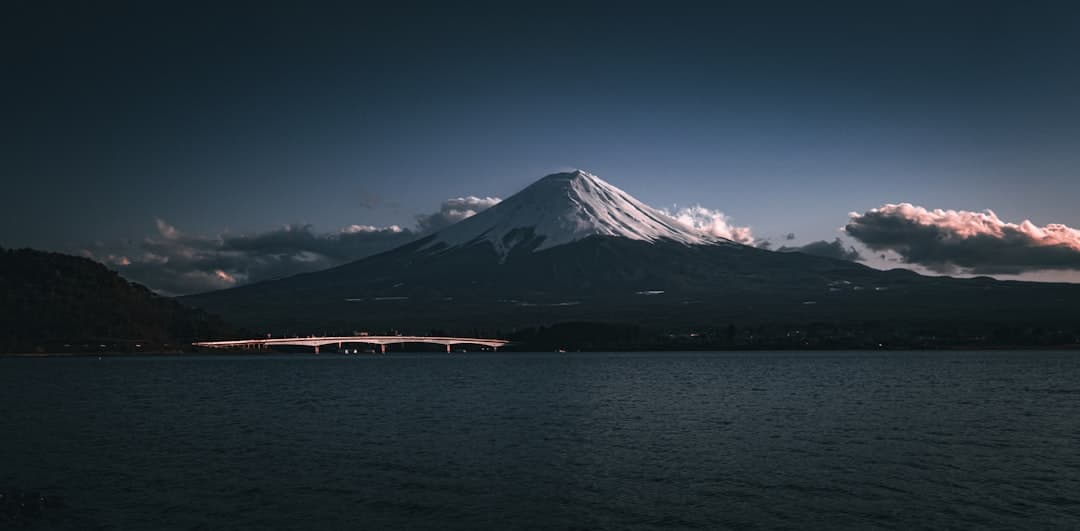
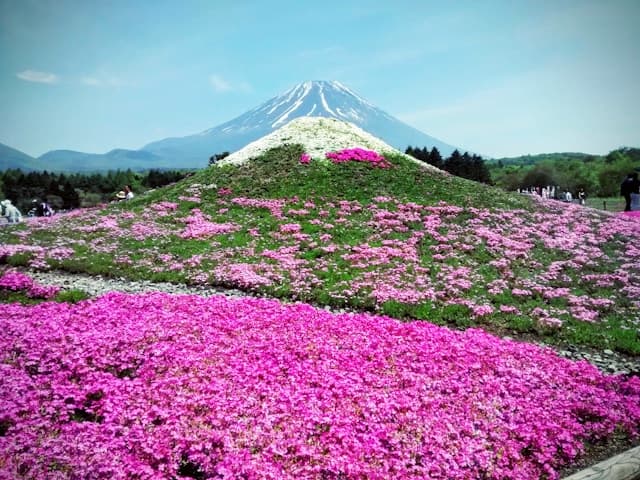
Top-rated tours and transport from Tokyo to Fuji

Affiliate links: we may earn a commission at no extra cost to you.
More Articles
Lake Motosu: The 1,000-Yen View, and When It Actually Appears
Lake Motosu is the deepest, clearest Fuji Five Lake and home of the 1,000-yen note view. Access, camping, costs, and when the reflection appears.
Mt. Fuji from Hakone: Best Viewpoints and Visibility Guide
Can you see Mt. Fuji from Hakone? Yes, on about half of all days. Here are the best viewpoints, when to go, and how to check conditions.
Hakone Ropeway: Fares, Route, Mt. Fuji Views and When It Closes
The Hakone Ropeway now charges one flat fare. Real 2026 prices, exactly where Mt. Fuji appears, and the closures nobody warns you about.