Tokyo to Hakone: Romancecar, Shinkansen or Bus in 2026
Tokyo to Hakone by Romancecar, Shinkansen or bus: 2026 fares and times, the best route for your start point, and where Mt. Fuji shows on the way.

Getting from Tokyo to Hakone takes 60 to 150 minutes and costs from ¥1,270 one way, depending on which of three routes you take. The Odakyu Romancecar runs direct from Shinjuku to Hakone-Yumoto. The Shinkansen gets you from Tokyo Station to Odawara in about 35 minutes, with a short local train after that. The Odakyu Highway Bus goes from Shinjuku straight to Lake Ashi, no changes.
Which one is best has less to do with speed than with two other things: where in Tokyo you start, and where in Hakone you're going. Hakone is a volcanic caldera about 8 by 12 kilometres across, not a single town, so arriving at Hakone-Yumoto still leaves you 30 to 60 minutes from the lake.
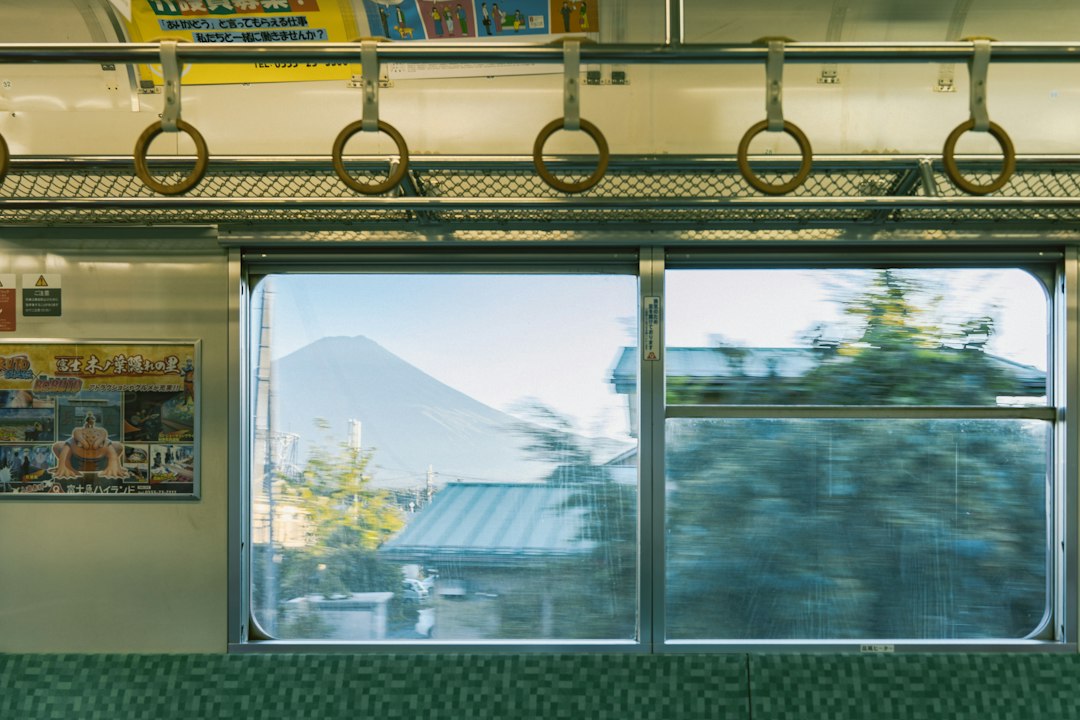
There's a third thing too. All three routes head toward Mt. Fuji, and we ran a terrain line-of-sight scan along each one to find out where the mountain can actually be seen from your seat.
Table of Contents
- Tokyo to Hakone: Every Route Compared
- Pick the Route by Where You Start
- Pick the Route by Where You Are Staying
- The Romancecar: Booking and Which Train
- The Shinkansen and the JR Pass
- The Highway Bus to Lake Ashi
- Where You Can See Mt. Fuji on the Way
- Timing the Trip for a Fuji View at the Lake
- Getting Back to Tokyo
- FAQ
Tokyo to Hakone: Every Route Compared
The Romancecar is the default route from Tokyo to Hakone. It's the only one that goes direct, and it costs ¥2,470 from Shinjuku. Here are the other options. Fares were checked in October 2026.
| Route | From | Arrives | Time | One-way fare (adult) | JR Pass |
|---|---|---|---|---|---|
| Odakyu Romancecar | Shinjuku | Hakone-Yumoto | 75 to 105 min | ¥2,470 (¥1,270 fare + ¥1,200 seat) | No |
| Odakyu express, change at Odawara | Shinjuku | Hakone-Yumoto | About 2 h | ¥1,270 | No |
| Shinkansen to Odawara + Hakone Tozan train | Tokyo or Shinagawa | Hakone-Yumoto | About 1 h with the change | JR Shinkansen ticket + ¥360; the most expensive option | Shinkansen leg only |
| JR Tokaido Line to Odawara + Tozan train | Tokyo | Hakone-Yumoto | About 1 h 45 min | ¥1,960 (¥1,600 + ¥360) | JR leg only |
| Odakyu Highway Bus | Busta Shinjuku | Sengokuhara, Togendai (Lake Ashi) | 2 h 12 min to 2 h 25 min | ¥2,490 to ¥2,560 | No |
A few things the table can't show:
- The Romancecar seat charge drops to ¥1,150 if you book on Odakyu's online Romancecar service instead of at a machine.
- The JR Tokaido Line fare rose to ¥1,600 when JR East revised its fares on 14 March 2026. The same revision now treats the Shinkansen and the parallel Tokaido Line between Tokyo and Atami as separate lines, so decide which one you're taking before you buy. A ticket for one can't be used on the other.
- The Hakone Freepass (¥7,100 for two days from Shinjuku) includes an Odakyu round trip but never the Romancecar seat charge. If you plan to ride the ropeway and the pirate ship, it's usually the right ticket. Our Hakone Freepass guide has the break-even math.
Pick the Route by Where You Start
Your starting point in Tokyo decides the route more than any other factor. From Shinjuku, take the Romancecar. From Tokyo Station or Shinagawa, take the Shinkansen. Crossing the city to catch the "right" train usually eats whatever time you hoped to save.
| Starting from | Best route to Hakone | Why |
|---|---|---|
| Shinjuku, western Tokyo | Romancecar | Direct, no change, cheapest of the fast options |
| Shibuya | Highway bus from Ikejiri-Ohashi, or Romancecar via Shinjuku | The Hakone bus picks up at Ikejiri-Ohashi, one stop from Shibuya, 17 minutes after it leaves Shinjuku |
| Tokyo Station, Ginza, Nihonbashi | Shinkansen to Odawara | About an hour to Hakone-Yumoto, versus roughly 110 minutes via Shinjuku |
| Shinagawa, Haneda Airport | Shinkansen to Odawara | Shinagawa is the first stop out of Tokyo, and Keikyu trains connect it to Haneda |
| Otemachi, Kasumigaseki, Omote-sando, Kita-Senju | "Metro Hakone" Romancecar | Runs direct from the Chiyoda subway line to Hakone-Yumoto, but only a few times a day |
| Anywhere, on a tight budget | Odakyu express via Odawara | ¥1,270 with no surcharge, about 2 hours |
The Metro Hakone is easy to miss. According to the March 2026 Odakyu timetable, there are three on weekends and holidays. They leave Kita-Senju at 8:33, 10:33 and 15:22, and stop at Otemachi, Kasumigaseki and Omote-sando on the way. The 8:33 leaves Omote-sando at 9:04 and reaches Hakone-Yumoto at 10:37. On weekdays there's only one, leaving Kita-Senju at 9:47 and arriving at 11:48. If you're staying near Otemachi or Omote-sando, it saves you the transfer to Shinjuku.
Shinkansen users should know one thing: Nozomi trains don't stop at Odawara. Only Hikari and Kodama do. Hikari stop there once or twice an hour, and Kodama fill the gaps. Either takes about 35 to 45 minutes from Tokyo.
Pick the Route by Where You Are Staying
Where you're staying in Hakone matters as much as where you start. Every train ends at Hakone-Yumoto, the town at the bottom of the caldera, about 100 metres above sea level. Lake Ashi sits at 723 metres and is still a bus ride away. The Hakone guide explains how the caldera is laid out.
| Your base | Best way in | Last leg after Hakone-Yumoto |
|---|---|---|
| Hakone-Yumoto, Tonosawa | Romancecar or Shinkansen | None, or a short walk or taxi |
| Miyanoshita, Gora, Kowakudani | Romancecar or Shinkansen | Hakone Tozan train to Gora, about 40 min |
| Moto-Hakone, Hakone-machi (south end of Lake Ashi) | Romancecar or Shinkansen | Tozan bus Route H from platform 2, about 32 min |
| Sengokuhara, Togendai (north end of Lake Ashi) | Highway bus | None. The bus stops there directly |
The bottom row is the one to note. If your ryokan is in Sengokuhara or your day starts at Togendai, the highway bus gets you there with no changes. Taking the Romancecar means changing at Hakone-Yumoto onto Tozan bus Route T, which takes about 40 minutes on paper and longer on busy weekends. The bus is the slower trip from Tokyo to Hakone overall, but it's often the faster way to the north end of the lake.
For the platforms, lockers and bus stops at the station, see our Hakone Yumoto Station guide.
The Romancecar: Booking and Which Train
Romancecar seats are all reserved and go on sale at 10:00 Japan time, one month before the travel date. Under Odakyu's rules, you can switch to another train with free seats any time before departure. A refund before departure costs a ¥100 handling fee. Once the train has left, you can do neither.
The first train matters more than it seems:
- Weekends and holidays: the first Romancecar leaves Shinjuku at 7:00 and reaches Hakone-Yumoto at 8:26.
- Weekdays: the first through train leaves at 7:37 and doesn't arrive until 9:22, a 105-minute run.
That hour can decide whether you see Mt. Fuji from the lake, as explained below.
Observation seats. Trains marked as GSE (70000 series) in Odakyu's timetable have front-row observation seats with a driver's-eye view. On two stretches of the line, Fuji sits almost straight ahead, so those seats are the best on the train when the mountain is out. There are only 16 at each end of the train, so book them when sales open.
The Shinkansen and the JR Pass
The Tokaido Shinkansen is the fastest way from Tokyo to Hakone if you're starting on the east side of the city. The JR Pass covers it as far as Odawara. Check the current Tokyo to Odawara fare with JR before you buy, because the March 2026 fare revision changed how JR tickets on this stretch are priced. At Odawara you switch to the Hakone Tozan line (¥360, about 15 minutes to Hakone-Yumoto). The JR Pass doesn't cover that leg.
For pass holders, the Hakone Freepass sold from Odawara costs ¥6,000 instead of ¥7,100, because it doesn't include the Odakyu trip from Shinjuku.
Large suitcases. On the Tokaido Shinkansen, bags measuring 161 to 250 cm in total (length plus width plus height) need a reservation for a seat with an oversized baggage area. Bringing one on without that reservation costs ¥1,000, according to JR's oversized baggage rules. If you're moving from a Tokyo hotel to a ryokan with a full-size suitcase, reserve that seat, or send the bag ahead with a luggage delivery service.
The Shinkansen's famous Fuji view comes after Odawara, around Shin-Fuji. You get off before that. Our guide to seeing Mt. Fuji from the Shinkansen covers that stretch if you're continuing west later in your trip.
The Highway Bus to Lake Ashi
The Odakyu Highway Bus runs from Busta Shinjuku through Gotemba to Sengokuhara and Togendai. According to the operator's April 2026 timetable, the timetabled journey is 2 hours 12 minutes to the Sengoku Information Center and 2 hours 25 minutes to Togendai. Most of the line's buses stop at Gotemba. Only seven or eight a day continue into Hakone:
- Weekdays: 6:35, 7:05, 7:35, 9:35, 12:05, 13:35 and 16:05 from Shinjuku.
- Weekends and holidays: 6:35, 7:05, 7:35, 9:05, 10:05, 12:05, 13:35 and 16:05.
The one-way fare is ¥2,560 to Togendai and ¥2,490 to Sengoku Kogen. Seats are reserved and go on sale at 10:00, one month ahead. Every Hakone bus also picks up at Ikejiri-Ohashi on the way out, which is handy if you're staying near Shibuya.
The Freepass deal. If you hold a Shinjuku-issued Hakone Freepass, the operator sells a one-way Shinjuku to Gotemba ticket for ¥1,400. The Gotemba to Hakone part is already covered by the pass. These tickets are sold only at Busta Shinjuku or the Gotemba office, not online.
The drawback is traffic. The timetable assumes a normal road. On weekends, the Tomei Expressway can add a lot to the journey, especially on the evening run back into Tokyo. Renewal works on the Tomei also run until 18 December 2026, and the operator warns they can delay buses, so check its notices before you travel.
Where You Can See Mt. Fuji on the Way
Terrain leaves a line of sight to Mt. Fuji along about 60% of the Romancecar line between Shinjuku and Hakone-Yumoto, though buildings and trees block much of that. Whenever the mountain is off to one side, it's on the right-hand side heading toward Hakone. The best stretch runs from Shin-Matsuda to Ashigara, just before Odawara, where Fuji fills the right-hand windows from about 37 km away.
This comes from our own model, not from sightings. We sampled a simplified line between stations every 250 metres and traced a sightline to Fuji's summit over elevation tiles from Japan's Geospatial Information Authority, with earth curvature and standard refraction included. The model only covers terrain. Buildings, trees, noise barriers and cuttings block more of the view, especially inside Tokyo.
| Stretch (Romancecar, toward Hakone) | Terrain sightline | Where to look | Distance to summit |
|---|---|---|---|
| Shinjuku to Mukogaoka-yuen | Open the whole way | Almost dead ahead | 82 to 95 km |
| Mukogaoka-yuen to Tamagawagakuen-mae | Open on about 80% | Ahead | 76 to 81 km, only the top 100 to 400 m |
| Tamagawagakuen-mae to Ebina | Mostly hidden by the Tanzawa range | ||
| Ebina to Hon-Atsugi (Sagami River) | Open | Ahead, slightly right | 60 km, only the upper few hundred metres |
| Hon-Atsugi to Tsurumaki-Onsen | Open on about 70% | Ahead and right | 53 to 58 km |
| Tsurumaki-Onsen to Hadano | Mostly hidden | ||
| Hadano to Shibusawa | Open the whole way | Straight ahead | 45 km, over 1,000 m of cone showing |
| Shin-Matsuda to Ashigara | Open the whole way | Right-hand windows | 37 to 39 km |
| Odawara to Hakone-Yumoto | Hidden by the Hakone mountains |
Taken together, the model shows a terrain sightline on 197 of 318 sample points, or 62%. Where Fuji isn't on the right, it's within 8 degrees of dead ahead, so a right-hand window seat (or an observation seat) never loses out. The two bold rows come in the last 15 to 20 minutes before Odawara. That's when to look up from your phone. Once the train turns into the Hakone valley, the mountain doesn't appear again until you reach Lake Ashi or a viewpoint such as the ropeway. The Mt. Fuji from Hakone guide lists them.
The bus gets the closest view. The same terrain scan along the highway bus route shows a line of sight for about 75% of the trip. Along the Tomei Expressway it's mostly ahead. At Gotemba Station, the bus passes about 20 km from the summit, which is closer than any train route gets. Then the road climbs to Otome Pass and the mountain ends up behind you, so take your photos before Gotemba.
Timing the Trip for a Fuji View at the Lake
When you leave Tokyo matters for seeing Fuji, because the summit tends to cloud over as the day goes on. In ten years (2016 to 2025) of modelled hourly cloud cover for the grid cell over Fuji's summit from the Open-Meteo historical weather archive, cloud was 30% or less on about 32% of days at 7 AM, 30% at 9 AM, 25% at 11 AM and 23% at 1 PM. From June to September the afternoon share falls to about 6% to 10%. In December and January it stays near 45% all day. This is a weather-model estimate for the summit, not a count of sightings from Hakone, and it ignores haze.
The earliest arrivals by each route:
- Weekend Romancecar at 7:00: at Hakone-Yumoto by 8:26 and at the lake by about 9:15 to 9:30.
- Weekday first Romancecar at 7:37: at Hakone-Yumoto at 9:22, which puts you at the lake after 10.
- 6:35 highway bus: at Gotemba at 8:20, the closest point to Fuji of any route, and at Togendai by 9:00, every day of the week.
- Ordinary trains: Odakyu expresses from Shinjuku and JR trains from Tokyo Station start running around 5 AM. On weekdays, an ordinary train with a change at Odawara can get you to Hakone-Yumoto before the first Romancecar does.
None of these odds tell you what tomorrow will be like. Before you book an early train, check the live Mt. Fuji visibility forecast. It scores each hour with a weighted atmospheric model that combines visibility distance, cloud cover, precipitation probability and humidity. If the morning looks clear and the afternoon doesn't, take the earliest departure you can. If the day looks gray from start to finish, sleep in and spend the day on Hakone's museums and onsen.
Getting Back to Tokyo
Book your return when you book the trip out, because weekend afternoon Romancecars back to Tokyo can sell out. Departures from Hakone-Yumoto end early:
- Last Romancecar from Hakone-Yumoto: 19:50 on weekdays and 19:52 on weekends. After that, local trains run to Odawara until about 22:50. From Odawara you can connect to Odakyu, JR or the Shinkansen.
- Last highway bus from Togendai: 17:55, timetabled to reach Shinjuku at 20:30. Expect that to slip on Sundays.
This winter's ropeway closures. The Hakone Ropeway is closing in sections for maintenance. Owakudani to Sounzan closes from 7 to 24 December 2026, and Togendai to Owakudani from 12 January to 26 February 2027. Replacement buses run in both cases, and Freepass holders can use them. They're slower and more crowded, so allow extra time for a loop in those weeks. The Hakone Ropeway guide covers fares and the view from the gondola.
If Hakone is just the first stop, the Hakone to Kawaguchiko guide explains the crossing through Gotemba. Don't go back through Tokyo.
FAQ
How long does it take from Tokyo to Hakone? About an hour from Tokyo Station by Shinkansen, or 75 to 105 minutes from Shinjuku on the Romancecar. The bus to Lake Ashi takes about two and a half hours.
What is the cheapest way to get from Tokyo to Hakone? The Odakyu express from Shinjuku with a change at Odawara: ¥1,270 one way, no reservation needed. If you'll ride the full loop, the Freepass, which includes that round trip, usually beats paying each fare.
Does the JR Pass cover Tokyo to Hakone? Only as far as Odawara, on the Hikari or Kodama Shinkansen or the JR Tokaido Line. The Hakone Tozan train from Odawara, the Romancecar and all transport inside Hakone are run by private companies and need separate tickets or a Freepass.
Can you do Hakone as a day trip from Tokyo? Yes, but the loop of train, cable car, ropeway and pirate ship fills most of a day, so take the earliest departure you can. If seeing Fuji is the point, one night gives you a second morning to try.
Before You Buy a Ticket
Start from where you're staying and where you're headed. Then book the earliest departure that fits: the Romancecar from Shinjuku, the Shinkansen from Tokyo Station, or the bus if your bed is at the north end of Lake Ashi. Sit on the right. The evening before, check the Mt. Fuji forecast to see whether the mountain should be out in the morning.
More Articles
Hakone: Where Fuji Shows, How the Loop Runs, When to Go
Hakone is a volcanic caldera 80 minutes from Tokyo. Which parts actually see Mt. Fuji, which way to ride the loop, and 2026 prices for each leg.
Hakone Yumoto Station: Platforms, Buses, Lockers, Timing
Hakone Yumoto Station explained: which bus platform goes where, lockers and luggage delivery, Romancecar times, and when to leave for a Fuji view.
Hakone Freepass: 2026 Prices, Break-Even Math and Refunds
The Hakone Freepass costs ¥7,100 from Shinjuku in 2026. When it pays off, the weather refund rule, and why its second day is worth the most.