Hakone Freepass: 2026 Prices, Break-Even Math and Refunds
The Hakone Freepass costs ¥7,100 from Shinjuku in 2026. When it pays off, the weather refund rule, and why its second day is worth the most.

Hakone Freepass at a glance (October 2026)
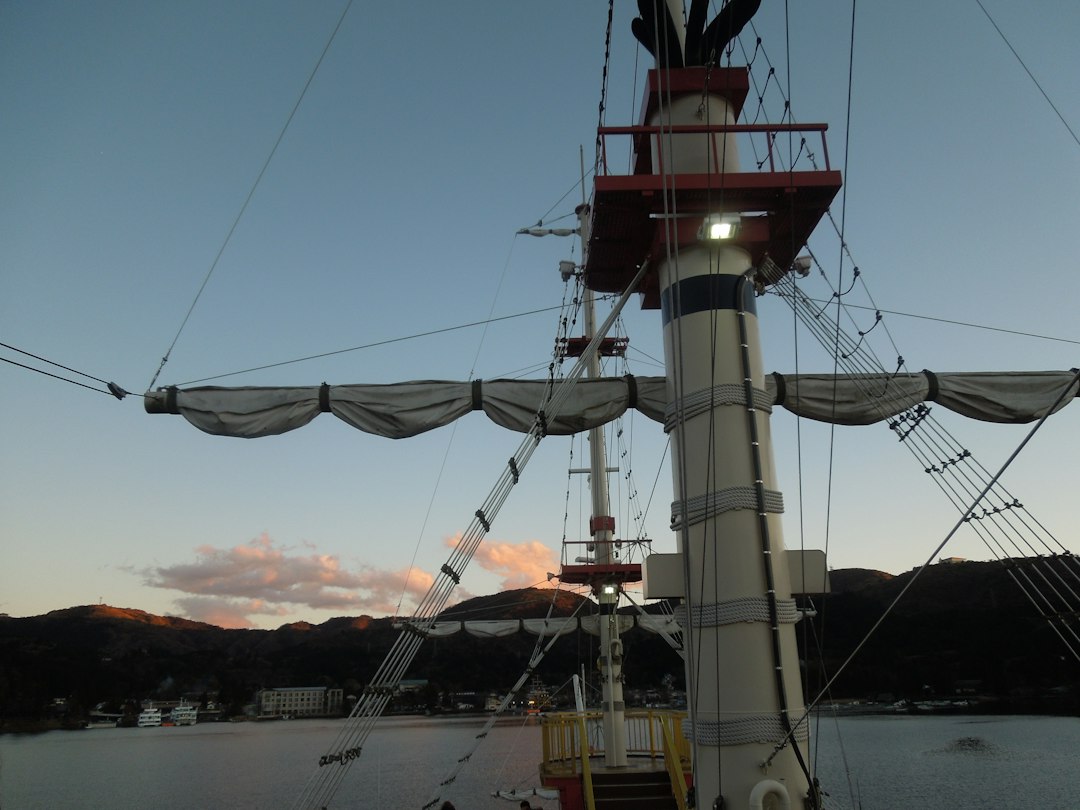
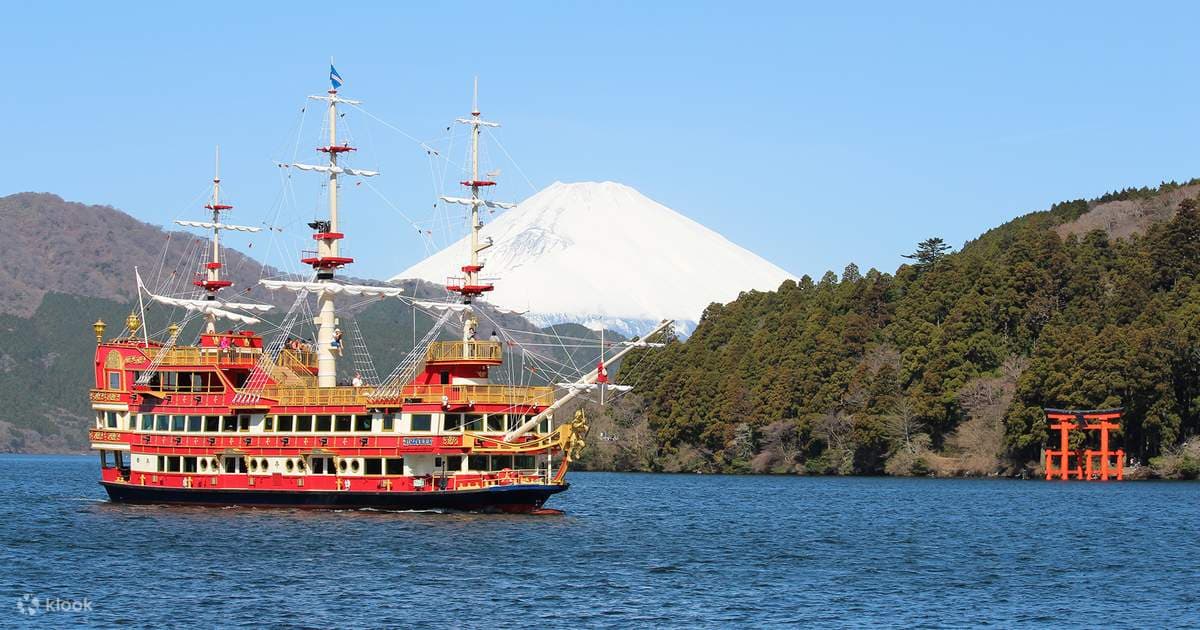
The Hakone Freepass is Odakyu's unlimited-ride ticket for Hakone. It costs ¥7,100 for two days or ¥7,500 for three days from Shinjuku, including one discounted Odakyu round trip to Odawara. From Odawara it costs ¥6,000 or ¥6,400. It covers the Tozan train, cable car, ropeway, pirate ships and most Hakone buses, but not the Romancecar surcharge, the Izuhakone buses or the Komagatake ropeway.
The Hakone Freepass went up by ¥1,000 on 1 October 2025, from ¥6,100 to ¥7,100 from Shinjuku. The fares it replaces went up too, which is why the pass still pays for itself on the classic loop. The margin just isn't large if you only ride everything once.
The real value is in rides you take twice. A two-day pass lets you ride the ropeway on both days at no extra cost, and on a mountain that hides as often as Fuji does, a second try makes a big difference. This guide covers the 2026 prices, the break-even math leg by leg, the weather refund rule, and how to match the pass to the Mt. Fuji visibility forecast.
Hakone Freepass Prices in 2026
The Hakone Freepass costs ¥7,100 for adults and ¥1,600 for children on the two-day version from Shinjuku. The price depends on where you start, because the ticket includes one round trip on the Odakyu Line from that station to Odawara. These are the official fares in effect since 1 October 2025:
| Departure station | 2-day adult | 2-day child | 3-day adult | 3-day child |
|---|---|---|---|---|
| Shinjuku | ¥7,100 | ¥1,600 | ¥7,500 | ¥1,850 |
| Machida | ¥6,820 | ¥1,600 | ¥7,220 | ¥1,850 |
| Fujisawa | ¥7,050 | ¥1,600 | ¥7,450 | ¥1,850 |
| Odawara | ¥6,000 | ¥1,500 | ¥6,400 | ¥1,750 |
Children are 6 to 11. Under-6s ride free. Before 1 October 2025 the Shinjuku two-day pass cost ¥6,100, so any lower price is an old fare.
Two numbers in that table are worth a closer look. First, the third day costs only ¥400 more. Second, the Shinjuku version costs ¥1,100 more than the Odawara one, yet the regular Odakyu fare from Shinjuku to Odawara is ¥910 each way, or ¥1,820 return. So the built-in train ride saves you ¥720 before you get to Hakone, as long as you ride a regular Odakyu train.
The Romancecar is extra. Its limited-express surcharge from Shinjuku to Hakone-Yumoto is ¥1,200 each way at a ticket machine or counter, or ¥1,150 if you book online.
What the Hakone Freepass Covers, and What It Doesn't
The Hakone Freepass covers one Odakyu Line round trip plus eight Odakyu-group transport services: the Hakone Tozan Train, the Hakone Tozan Cable Car, the Hakone Ropeway, the Hakone Sightseeing Cruise pirate ships, Hakone Tozan buses, the Odakyu Highway Bus in its designated section, Tokai Bus in its designated section, and the sightseeing-facilities loop bus. Apart from the Odakyu leg, you can ride all of them as often as you like within the free area.
In practice, that covers every link of the Hakone loop, plus some useful connections out of the caldera:
- To Gotemba on the highway bus from Sengokuhara and Togendai. This is the first leg of the trip from Hakone to Kawaguchiko. Passengers with reserved seats board first, so on a busy day a full bus can leave you behind.
- To Mishima on the Tokai bus from Moto-Hakone-ko, passing the Mishima Skywalk on the way.
- Odakyu stopovers. You can break your Odakyu journey on the way, which isn't obvious. The terms limit you to one round trip but put no limit on stopovers along it.
The exclusions are where people get caught out:
| Not covered | What it costs instead |
|---|---|
| Romancecar limited express | ¥1,200 each way from Shinjuku |
| Izuhakone buses (a rival operator on the same roads) | Full fare. Check the operator name before you board at shared stops such as Odawara Station and Moto-Hakone |
| Komagatake Ropeway at Hakone-en | ¥2,200 return, with a 10% discount for pass holders |
| Hakone Yusen catamarans on Lake Ashi | Separate ticket (details) |
| Pirate ship Special Cabin | Supplement on top of the pass (¥800 one way between Togendai and Moto-Hakone at the standard rate) |
| Scheduled sightseeing tour buses | Not valid |
The pass also offers discounts at about 70 attractions. Several of the best known take ¥100 off admission. Gora Park is the exception: it's free with the pass instead of ¥650. Before you count the discounts as savings, check them against online prices. The Hakone Open Air Museum, for example, sells online tickets for ¥1,800, which is ¥100 below the Freepass rate. Other pass-holder rates include ¥400 instead of ¥500 at the Hakone Checkpoint, ¥400 at the Hakone Shrine treasure hall, and reduced entry at several day-trip onsen.
Is the Hakone Freepass Worth It? The 2026 Break-Even Math
Yes, the Hakone Freepass is worth it for a day trip on the full loop from Shinjuku: the same rides at walk-up fares cost ¥8,290 against the pass's ¥7,100. Here is each leg at the October 2026 paper-ticket fare (IC cards are a few yen cheaper on the rail legs):
| Leg | Walk-up fare |
|---|---|
| Odakyu, Shinjuku to Odawara | ¥910 |
| Hakone Tozan Train, Odawara to Gora | ¥770 |
| Cable car, Gora to Sounzan | ¥430 |
| Hakone Ropeway, Sounzan to Togendai | ¥2,000 |
| Pirate ship, Togendai to Moto-Hakone | ¥1,700 |
| Bus, Moto-Hakone to Hakone-Yumoto | ¥1,210 |
| Hakone Tozan Train, Hakone-Yumoto to Odawara | ¥360 |
| Odakyu, Odawara to Shinjuku | ¥910 |
| Total | ¥8,290 |
That's a saving of ¥1,190, or ¥1,840 if you walk into Gora Park. If you ride the loop in reverse, which the Hakone guide recommends for day-trippers who want Fuji in the morning, the legs and the total stay the same.
The math changes with your route:
| Trip | Walk-up total | Best ticket |
|---|---|---|
| Full loop, day trip from Shinjuku | ¥8,290 | Freepass (¥7,100), saves ¥1,190 |
| Full loop, starting at Odawara (JR or Shinkansen arrival) | ¥6,470 | Odawara Freepass (¥6,000), saves ¥470 |
| Out and back to Owakudani from Shinjuku, no boat | ¥7,220 | Owakudani Ticket (¥6,480), saves ¥740 |
| Shinjuku to Lake Ashi by bus and back, no ropeway or boat | ¥4,960 | Single tickets |
| Overnight in Gora, full loop plus a second ropeway trip on day two | ¥12,150 | Freepass (¥7,100), saves ¥5,050 |
The 2025 price rise didn't hurt the pass much because the fares it covers rose further. The ropeway went from ¥1,500 to ¥2,000 one way and the pirate ship from ¥1,200 to ¥1,700, so together those two legs rose as much as the pass did.
The last row of the table is where the pass really pays off.
The Second Day Is Where the Freepass Pays
A two-day Hakone Freepass gives an overnight visitor a second ropeway ride at no extra cost, and in ten years of modelled cloud data, two tries spread over an afternoon and the next morning were clear far more often than a midday visit. A day-tripper often reaches Owakudani around midday, one of the cloudiest times of day on Fuji. Someone staying overnight can ride up on the afternoon they arrive, and if the cone is hidden, ride again at 9 AM the next morning. On the pass, that second ride costs nothing. Without it, the cable car and a ropeway return cost another ¥3,860.
To put numbers on that, we pulled ten years of hourly modelled cloud cover for the grid cell at Fuji's summit (2016 to 2025, Open-Meteo historical weather archive) and counted an hour as clear when total cloud was 30% or less. This is a weather-model estimate, not a record of sightings, and it says nothing about haze or cloud between Hakone and the mountain. Here is how often at least one of two viewing windows was clear:
| Month | Day trip: clear at noon or 2 PM | Overnight: clear at 3 PM or next day 9 AM |
|---|---|---|
| January | 51% | 69% |
| February | 41% | 58% |
| March | 33% | 51% |
| April | 30% | 47% |
| May | 23% | 31% |
| June | 9% | 15% |
| July | 9% | 23% |
| August | 12% | 24% |
| September | 13% | 24% |
| October | 19% | 32% |
| November | 46% | 62% |
| December | 58% | 68% |
| Year | 29% | 42% |
The two days aren't independent. A clear day is often followed by another, and a cloudy one by more cloud. In the data, the morning after a clear 8 AM was clear 44% of the time; the morning after a cloudy one, only 26%. Even so, the overnight pattern comes out 13 points ahead over the year, and 16 to 18 points ahead in January to April and in November. December, already the clearest month for a day trip, gains 10. Part of that gap is timing rather than the extra ride: a single 9 AM window was clear 30% of the time, against 24% at noon.
Observed records show the same morning advantage. Fuji City has logged the mountain from its city hall, south of Fuji, since 1990, and across 1991 to 2025 its records show it fully visible at 8 AM on 36.6% of days and at noon on 23.3%. That is one viewpoint on the other side of the mountain, not a measured probability for Hakone.
There are two practical takeaways. If you can stay a night, buy the two-day pass even if you'd only ride the loop once, and keep the ropeway as your free second chance. If you're coming for the day, pick the day on the forecast, not the calendar. Our live visibility score rates conditions for each hour using a weighted atmospheric model, and the Fuji trends page shows how this season compares. Our guide to seeing Fuji from Hakone covers where to stand once it's out.
What Happens When the Ropeway Stops: the Refund Rule
If bad weather suspends a service covered by the Hakone Freepass and you haven't ridden that service at any point during the pass's validity, Odakyu refunds a fixed share of the pass with no fee. The rule appears in the Freepass terms as revised on 1 October 2025, and it's worth knowing because wind and volcanic gas both close the ropeway. These are the amounts for the most commonly suspended services:
| Suspended service | 2-day adult | 2-day child | 3-day adult | 3-day child |
|---|---|---|---|---|
| Hakone Ropeway | ¥1,640 | ¥470 | ¥1,750 | ¥530 |
| Pirate ship | ¥1,180 | ¥340 | ¥1,250 | ¥380 |
| Hakone Tozan Train | ¥1,290 | ¥270 | ¥1,400 | ¥330 |
| Cable car | ¥510 | ¥150 | ¥540 | ¥170 |
| Hakone Tozan Bus | ¥1,170 | ¥220 | ¥1,280 | ¥280 |
The terms also give a fixed ¥820 refund (¥880 on the three-day pass) when a breakdown closes only one section of the ropeway.
Three details make this work in practice:
- The rule is all or nothing per service. If you ride the ropeway on day one and it closes on day two, you get nothing back. If it is closed on both days and you never board, you can claim. Don't take a short "just to try it" ride if the closure looks likely to last.
- Claim where your trip ends. A paper Freepass is collected at your final station, and that's where the refund is handled. For a digital pass, contact the EMot support centre.
- The refund is less than a walk-up fare. ¥1,640 against a ¥2,000 single ride. It softens a bad-weather day but doesn't make up for it.
The ropeway guide explains why the line stops: high winds, gas readings at Owakudani, and planned winter maintenance, when free replacement buses run and are covered by the pass. The refund rule applies to weather. Closures planned weeks ahead are a reason to plan around them, not to claim.
Two-Day or Three-Day, Shinjuku or Odawara
Buy the two-day Shinjuku pass unless you're sleeping two nights in Hakone or arriving by JR. Validity runs by calendar day, not by the hour. Day one counts in full whether you start at 7 AM or 4 PM, and the pass expires with the last service on the final day. So a "two-day" pass bought on a Saturday afternoon gives you Saturday evening and Sunday, not 48 hours.
- Day trip: two-day pass. There is no one-day version, so the second day is unused.
- One night: two-day pass. Arrive, check in, ride the loop on day two with time for a second try.
- Two nights: the three-day pass, at ¥400 more.
- Arriving on the Shinkansen or a JR Pass: the Odawara version. JR doesn't run into Hakone, so you pick up the Freepass at Odawara.
- Continuing to Kawaguchiko: compare the Freepass with the Fuji Hakone Pass, which costs ¥11,100 for three days and covers both regions. On a Hakone-only trip, the Freepass is the cheaper ticket with exactly the same Hakone coverage.
Where to Buy It: Paper or Digital
You can buy the Hakone Freepass as a paper ticket at any Odakyu station or as a digital ticket in Odakyu's EMot app or website. Both cost the same.
Paper passes are sold at Odakyu ticket offices up to a month ahead for a chosen start date. Ticket machines only sell passes starting that day. In Hakone, you'll find machines at most Hakone Tozan stations and counters at Odawara and Hakone-Yumoto. Staff collect the ticket at your final station.
Digital passes are QR codes you activate on your phone and scan at the gates, or show to staff where there's no reader. Two warnings from the terms: a dead or broken phone means no ticket, and if you cancel before using the pass, a ¥220 fee is taken off the refund. Third-party resellers also sell the pass. Check which departure station it includes before you pay.
Because neither version is cheaper in advance, you lose nothing by waiting. Check the forecast the night before, then buy on the morning you travel. Booking weeks ahead just locks you into a date the weather hasn't confirmed yet.
Hakone Freepass vs the Other Hakone Tickets
The Hakone Freepass is the best Hakone ticket for anyone riding both the ropeway and the pirate ship. Odakyu sells cheaper tickets for narrower trips, plus a premium bundle:
| Ticket | Price (adult) | Covers | Best for |
|---|---|---|---|
| Hakone Freepass | ¥7,100 from Shinjuku, ¥6,000 from Odawara (2 days) | All eight services | The loop, or any overnight stay |
| Owakudani Ticket | ¥6,480 from Shinjuku, ¥5,000 from Odawara (2 days) | Odakyu round trip, Tozan train, cable car, full ropeway, free Gora Park | Owakudani and back, no boat |
| Ropeway and Pirate Ship Pass | ¥5,000 (1 day) | Ropeway and pirate ship only | Drivers parked at the lake |
| Nonbiri Kippu | ¥1,580 (1 day) | Tozan train Odawara to Gora, free Gora Park | A rail-only day of museums and onsen in the valley |
| Freepass + Hako Ticket | ¥13,100 from Shinjuku (2 days, digital only) | Freepass plus unlimited entry to listed museums, onsen and activities | Visitors planning three or more paid attractions |
| Fuji Hakone Pass | ¥11,100 from Shinjuku (3 days) | Hakone plus the Fuji Five Lakes | Two-region trips |
For most first-time visitors from Tokyo, the choice is between the Freepass and the Owakudani Ticket, which are ¥620 apart from Shinjuku. If the pirate ship is on your plan, the Freepass wins, because the boat alone costs ¥1,700.
Hakone Freepass FAQ
Does the Hakone Freepass cover the Romancecar?
It covers the Odakyu fare but not the limited-express surcharge, which is ¥1,200 each way between Shinjuku and Hakone-Yumoto. Regular Odakyu express trains to Odawara need no surcharge but take longer.
Can I use the Hakone Freepass with a Japan Rail Pass?
They don't overlap. The JR Pass gets you to Odawara on JR lines, and the Freepass covers everything from Odawara into Hakone. Buy the Odawara version at ¥6,000 for two days.
Is the Hakone Freepass valid for 48 hours?
No. It's valid for two calendar days, ending with the last service on the second day, whenever you started using it.
Does the Hakone Freepass include the Komagatake Ropeway?
No. That ropeway at Hakone-en is run by a different company. Pass holders get 10% off the ¥2,200 return fare.
The Short Version
Buy the two-day Hakone Freepass from Shinjuku if you're riding the loop. It saves about ¥1,200 even if you ride everything once. If you're staying the night, it's clearly worth it: the second ropeway ride costs nothing and gives Fuji a second chance to clear. If you're only going up to Owakudani and back, the Owakudani Ticket is cheaper. If you're coming from a JR line, buy the pass at Odawara.
Whichever ticket you choose, decide the date last. Check the Mt. Fuji forecast the evening before, then buy the pass in the morning.
Planning your Mt. Fuji trip?
Top-rated tours and transport from Tokyo to Fuji
Affiliate links: we may earn a commission at no extra cost to you.
More Articles
Hakone: Where Fuji Shows, How the Loop Runs, When to Go
Hakone is a volcanic caldera 80 minutes from Tokyo. Which parts actually see Mt. Fuji, which way to ride the loop, and 2026 prices for each leg.
Fuji Hakone Pass: What It Covers, the Cost Math, and the Leg It Misses
The Fuji Hakone Pass costs 11,100 yen for three days across both regions. Here is the break-even math and the return leg it quietly leaves out.
Hakone Ropeway: Fares, Route, Mt. Fuji Views and When It Closes
The Hakone Ropeway now charges one flat fare. Real 2026 prices, exactly where Mt. Fuji appears, and the closures nobody warns you about.