Lake Yamanaka from Tokyo: Every Route, Real Prices, and the Timing That Decides Your View
How to get to Lake Yamanaka from Tokyo by bus, train, or car, with current prices and the departure timing that matters most.

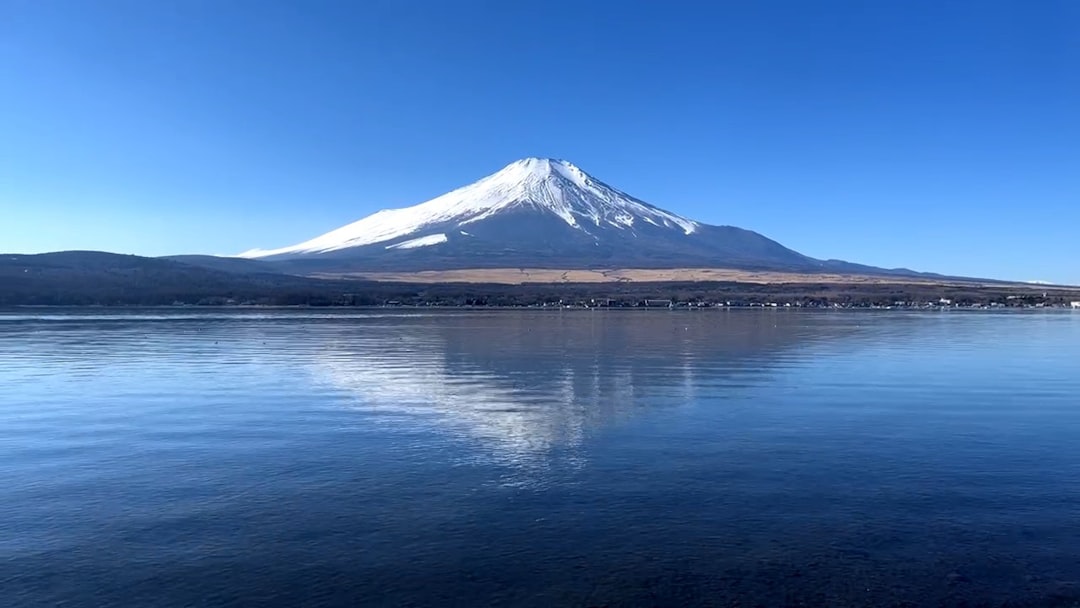
Getting to Lake Yamanaka from Tokyo takes about 2 to 2.5 hours by highway bus, with fares starting around 2,150 yen one way. That is the simple answer. The more useful one involves picking the right route for your plans, choosing the right bus stop on arrival, and leaving Tokyo early enough that Mt. Fuji is still visible when you get there.
Lake Yamanaka (Yamanakako) is the closest, largest, and highest of the Fuji Five Lakes, sitting at 980 meters elevation on Mt. Fuji's eastern flank. It is quieter than Kawaguchiko and offers wider, more open views of the mountain. But unlike Kawaguchiko, there is no direct train. Every route from Tokyo involves either a highway bus or a train-plus-local-bus combination.
This guide covers the four practical ways to make the trip, with current prices and journey times, then connects your departure timing to real visibility data so you can plan around the weather, not just the timetable.
Lake Yamanaka from Tokyo at a glance: The direct Fujikyu highway bus from Shinjuku (Busta Shinjuku) reaches Yamanakako in about 2 hours 15 minutes from around 2,150 yen one way, with no transfers. There is no direct train, so the bus is the fastest and cheapest option for most travelers. Leave on the first or second morning departure: Mt. Fuji is most reliably visible before 9:00 AM, and clouds usually build over the summit by early afternoon.
Lake Yamanaka from Tokyo: Every Transport Option Compared
There are four ways to reach Lake Yamanaka from Tokyo. The direct highway bus is the easiest. The train route gives you more flexibility if you hold a JR Pass. Driving is best for groups or multi-stop itineraries.
| Route | Departure Point | Duration | One-Way Cost | Transfers | Best For |
|---|---|---|---|---|---|
| Highway bus (direct) | Shinjuku Expressway Bus Terminal | 2 h 15 min | ~2,150 yen | 0 | Solo travelers, couples, simplicity |
| Highway bus (Tokyo Stn) | Tokyo Station Yaesu South | 2.5-3 h | ~2,600 yen | 0 | Travelers staying east of Shinjuku |
| Train + local bus | Shinjuku (JR Chuo Line) | 2.5-3 h total | ~3,500-4,500 yen | 2 (Otsuki, Fujisan Stn) | JR Pass holders |
| Car | Central Tokyo | 1.5-2 h | Tolls ~2,500 yen + fuel | 0 | Groups, multi-stop trips |
Highway Bus from Shinjuku (Recommended)
The Fujikyu highway bus from Shinjuku Expressway Bus Terminal (Busta Shinjuku) is the default choice. Over a dozen departures run daily on the Shinjuku-Fuji Five Lakes line. The bus follows the Chuo Expressway, stops at Fuji-Q Highland, then continues to the Fuji Five Lakes area including Yamanakako stops.
Journey time is approximately 2 hours 15 minutes to Yamanakako Asahigaoka, depending on traffic. Weekend and holiday mornings can add 30 to 45 minutes.
Reservations are recommended for weekend and holiday travel. You can book online at highwaybus.com or purchase tickets at the terminal. Same-day seats are usually available on weekdays.
Highway Bus from Tokyo Station
Buses also depart from Tokyo Station's Yaesu South exit. The route takes slightly longer (2.5 to 3 hours) but saves you the trip across Tokyo to Shinjuku if you are staying in the eastern part of the city or arriving by Shinkansen.
Train + Local Bus (JR Pass Route)
This route makes sense primarily if you hold a Japan Rail Pass, since the JR portions are covered. Take the JR Chuo Line Limited Express from Shinjuku to Otsuki (about 60 minutes, covered by JR Pass). Transfer to the Fujikyu Railway Line to Fujisan Station (about 50 minutes, 1,170 yen, not covered by JR Pass). From Fujisan Station, take a Fujikyu local bus to Yamanakako (about 25 minutes, roughly 600 yen).
Without a JR Pass, this route costs more and takes longer than the highway bus. It is not the efficient choice unless you are combining the trip with other JR travel.
There is an alternative train approach via the Odakyu Romancecar from Shinjuku to Gotemba Station (about 100 minutes), then a Fujikyu bus from Gotemba to Yamanakako (about 40 minutes, roughly 1,000 yen). This route approaches from the south side and is useful if you want to combine a visit with Gotemba Premium Outlets shopping.
Driving
From central Tokyo, take the Chuo Expressway to the Yamanakako IC exit on the Higashi-Fujigoko Road. The drive takes 1.5 to 2 hours without heavy traffic. Highway tolls run approximately 2,500 yen each way.
Parking is available at most lakeside facilities, hotels, and public areas around the lake. If you plan to visit multiple viewpoints, cycle the 14 km lakeside trail, and stop at Oshino Hakkai nearby, a car gives you the most flexibility.
Which Bus Stop Should You Get Off At?
Highway buses serving Lake Yamanaka stop at multiple points around the lake. This is where most guides fail you. They mention "Yamanakako" as a destination but do not explain that the bus stops span several kilometers, and choosing the wrong one means a long walk or an extra bus ride.
| Bus Stop | Location | Get Off Here If... |
|---|---|---|
| Yamanakako Asahigaoka | Western shore | Main tourist base. KABA amphibious bus, cafes, bike rentals. Best all-purpose stop. |
| Yamanakako Hirano | Eastern shore | Heading to Diamond Fuji viewpoints, Hirano no Hama, eastern minshuku |
| Yamanakakomura Yakuba-mae | Central south shore | Village office area. Close to Hananomiyako Park. |
| Yamanakako (Fujisan Station transfer) | Fujisan Station | Transferring to/from trains. Not at the lake itself. |
If you are visiting for the first time: get off at Yamanakako Asahigaoka. It is the main base with the most services within walking distance.
If you are visiting for Diamond Fuji photography: get off at Yamanakako Hirano to reach the eastern and northern shore viewing positions quickly.
Why Your Departure Time from Tokyo Matters More Than Your Route
Visibility data from our weighted atmospheric model shows a pattern that applies to every Fuji viewpoint, and it matters especially here because Lake Yamanaka's whole appeal is seeing the mountain up close.
Mt. Fuji is most consistently visible in the early morning hours, roughly between 6:00 and 9:00 AM. By late morning, thermal updrafts pull moisture up the mountain's slopes, and clouds begin forming around the summit. By early afternoon on most days, the mountain is partially or fully obscured.
This means the bus you catch has real consequences:
| Departure (Shinjuku) | Arrival (Yamanakako) | Fuji Visibility Odds |
|---|---|---|
| 6:30 AM | ~8:45 AM | High. You arrive during the best visibility window. |
| 8:00 AM | ~10:15 AM | Moderate. Clouds may already be forming. |
| 10:00 AM | ~12:15 PM | Low. Afternoon haze and cloud buildup likely. |
| 12:00 PM+ | 2:15 PM+ | Poor on most days. Fine if you are there for activities, not views. |
The first or second morning bus from Shinjuku is the single best thing you can do to guarantee clear Fuji views. This is not a vague suggestion. Our Fuji visibility tracker consistently shows scores dropping 15 to 25 points between the morning and afternoon readings.
If you are planning a day trip specifically to see and photograph Mt. Fuji, the 6:30 AM departure is worth the early alarm. If you are visiting for cycling, water sports, or the onsen and the mountain view is secondary, a later bus is fine.
For more on how visibility patterns shift through the day and across seasons, see our Mt. Fuji visibility guide.
Getting Around Lake Yamanaka Without a Car
Lake Yamanaka does not have train service, but local buses cover the key areas.
Fujikko Go Tourist Bus: This loop bus departs from Fujisan Station and circles Lake Yamanaka with stops at major attractions. A one-day pass costs 1,800 yen (2-day pass: 2,200 yen). Useful for hitting multiple spots without worrying about individual fares.
Kawaguchiko-Gotemba Line: Regular Fujikyu buses connect Kawaguchiko Station with Lake Yamanaka (about 30 minutes, 890 yen). Departures run roughly once per hour. This is the connection to use if you want to visit both lakes in a single day.
Cycling: The flat, paved 14 km lakeside trail is the best way to see the whole lake. Rental shops near Yamanakako Asahigaoka charge around 500 to 1,000 yen per hour. Budget 90 minutes for a comfortable full loop.
Walking: The lake is too large to walk around comfortably in a day (14 km), but the western shore between Asahigaoka and the KABA bus stop is a pleasant 20-minute stroll with continuous Fuji views.
Lake Yamanaka vs. Kawaguchiko: Which Day Trip from Tokyo?
Both lakes are reachable in similar time from Tokyo. The question is what you want from the trip.
Choose Lake Yamanaka if you want closer, less crowded Fuji views, cycling, water sports, or Diamond Fuji photography. The bus is your only public transit option, and dining choices are limited.
Choose Kawaguchiko if you want easier train access, more restaurants and shops, proximity to Chureito Pagoda, and a more developed tourist infrastructure.
Do both if you have a full day or an overnight. Take the early bus to Lake Yamanaka for morning views, then catch the 30-minute local bus to Kawaguchiko for the afternoon. Return to Tokyo from Kawaguchiko Station by train or bus. This two-lake itinerary is the most efficient way to experience the Fuji Five Lakes area in a single trip.
Combining Lake Yamanaka with Other Fuji Area Stops
Lake Yamanaka works well as part of a larger Fuji itinerary. Here are the most practical combinations:
Lake Yamanaka + Oshino Hakkai: The UNESCO World Heritage spring ponds are a 20-minute bus ride from the lake. Perfect half-day pairing.
Lake Yamanaka + Mt. Fuji 5th Station: During climbing season (July-September), buses run from Fujisan Station to the 5th Station. Combine a morning at the lake with an afternoon at 2,300 meters.
Lake Yamanaka + Kawaguchiko + Onsen: Morning at Yamanaka, afternoon bus to Kawaguchiko, evening soak at a lakeside hot spring before heading back to Tokyo.
Lake Yamanaka + Aokigahara: The forest is accessible from the Kawaguchiko area. Combine a lake morning with an afternoon forest walk. Allow a full day.
Frequently Asked Questions
How long does it take to get from Tokyo to Lake Yamanaka?
The highway bus from Shinjuku takes about 2 hours 15 minutes. From Tokyo Station, expect 2.5 to 3 hours. The train route (Shinjuku to Otsuki to Fujisan Station, then local bus) takes 2.5 to 3 hours total but involves two transfers.
Is Lake Yamanaka worth a day trip from Tokyo?
Yes, if you leave early enough to arrive during the morning visibility window. The lake offers Mt. Fuji views that are closer and less crowded than Kawaguchiko. Pair it with Oshino Hakkai or a bus ride to Kawaguchiko to fill the day. Check our Fuji visibility tracker the morning of your trip.
Can you use a JR Pass to get to Lake Yamanaka?
A JR Pass covers the Shinjuku to Otsuki leg on the JR Chuo Line. The Fujikyu Railway from Otsuki to Fujisan Station (1,170 yen) and the local bus to the lake (about 600 yen) are not covered. The highway bus is also not covered. So a JR Pass reduces the cost but does not eliminate it.
What is the cheapest way to get from Tokyo to Lake Yamanaka?
The highway bus from Shinjuku at approximately 2,150 yen one way is both the cheapest and most convenient option for most travelers.
Before heading to Lake Yamanaka, check whether Mt. Fuji is visible right now on our live Fuji visibility tracker. Knowing the conditions before you board that bus can save you from arriving to a wall of clouds.
More Articles
Lake Yamanaka: Mt. Fuji's Closest Lake and the Fuji Five Lakes' Best-Kept Secret
Lake Yamanaka is the largest and highest of the Fuji Five Lakes, with unmatched Mt. Fuji views, cycling, and Diamond Fuji.
Kawaguchiko from Tokyo: Transport, Timing, and the View Most Visitors Miss
How to get to Kawaguchiko from Tokyo by bus, train, or car, plus the timing trick that decides whether you see Mt. Fuji.
Best Mt. Fuji Viewing Locations: Kawaguchiko vs Tokyo vs Hakone Compared
Compare the best places to see Mt. Fuji with real visibility data. Find out which location offers the best views for your trip.