Fujikyu Railway: The Scenic Train to Mt. Fuji and Kawaguchiko
A complete guide to the Fujikyu Railway (Fujikyuko Line): routes, fares, scenic trains, which side to sit, and whether Mt. Fuji will actually be visible.

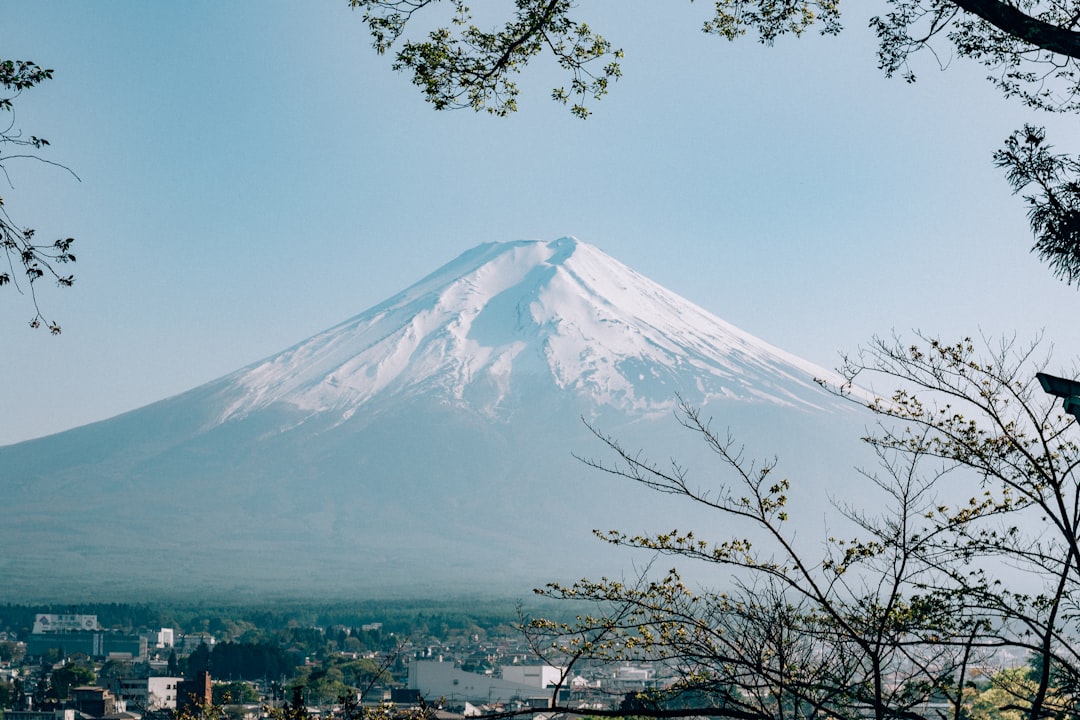
The Fujikyu Railway is the private rail line that carries most visitors on the final leg of their trip to Mt. Fuji, running 26.6 kilometres from Otsuki up to Kawaguchiko in the heart of the Fuji Five Lakes. It is the only railway that reaches the northern Yamanashi side of the mountain, and on a clear day the volcano fills the window for much of the ride. This guide covers the routes, fares, the special sightseeing trains, exactly which seat to book, and the one thing every other guide skips: whether Mt. Fuji will actually be out when your train pulls in.
What Is the Fujikyu Railway?
The Fujikyu Railway is a private railway in Yamanashi Prefecture, and its single passenger route is officially the Fujikyuko Line. It runs between Otsuki Station, where it connects to the JR Chuo Line, and Kawaguchiko Station, passing through 18 stations including Mt. Fuji Station and Fuji-Q Highland. Because no JR line penetrates this side of the mountain, the Fujikyu Railway is the rail gateway to Lake Kawaguchi, the Yoshida climbing trail, and the wider Fuji Five Lakes region, part of the Fuji-Hakone-Izu National Park.
The line is a genuine mountain railway. It climbs from Otsuki at 358 metres above sea level to Kawaguchiko at 857 metres, a 500-metre ascent packed into 26.6 kilometres. That steady climb is why the scenery opens up so dramatically, and why the trains take 40 to 60 minutes depending on the service.
The history runs deep. According to the line's route and history records, the corridor began in 1900 as the Tsuru horse-drawn tramway, was electrified as the Fuji Electric Railway in 1929, and reached Kawaguchiko in 1950. Today it carries a mix of commuters, hikers, families heading to the amusement park, and photographers chasing the mountain.
Fujikyu Railway Routes and Stations
The Fujikyuko Line is a single spur, so navigation is simple: you are either heading toward Kawaguchiko or away from it. Most travellers reach Otsuki first on the JR Chuo Line from Tokyo, then transfer across the platform to the Fujikyu Railway.
Three stations matter most to visitors:
| Station | Access to | Journey from Otsuki |
|---|---|---|
| Mt. Fuji Station | Yoshida Trail, Fuji Sengen Shrine, bus to the 5th Station | ~48 min |
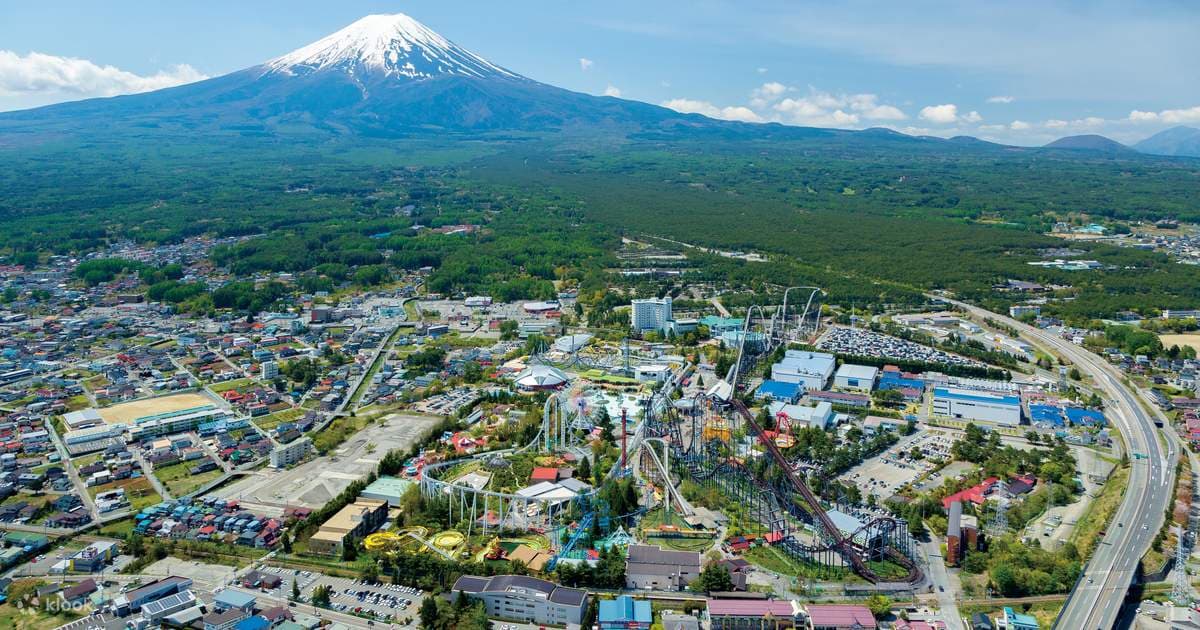
| Fuji-Q Highland | Fuji-Q Highland amusement park, Thomas Land | ~50 min |
| Kawaguchiko | Lake Kawaguchi, sightseeing buses, ropeway, most hotels | ~50-55 min |
Mt. Fuji Station was renamed from Fujiyoshida in 2011 and is the main hub for climbers. Kawaguchiko Station is the busier terminal for sightseers, and it is where the retro red sightseeing buses fan out around the lake. If you are planning the wider trip, our guide to Kawaguchiko Station breaks down the connections, lockers, and bus network waiting at the end of the line.
One more station deserves a mention: Shimoyoshida, two stops before Mt. Fuji Station. It is the closest stop to Chureito Pagoda, the five-storey pagoda that frames the single most photographed view of the mountain in all of Japan.
Fujikyu Railway Fares and Tickets
The base fare on the Fujikyu Railway from Otsuki to Kawaguchiko is 1,170 yen for adults and 590 yen for children, and that covers a regular local train with no reservation needed. Shorter trips cost less; the fare is distance-based like most Japanese railways.
Two points trip up first-time riders, so learn them before you go:
- The Japan Rail Pass does not cover the Fujikyu Railway. It is a private line, so JR Pass holders ride the Chuo Line to Otsuki for free but pay separately from there.
- IC cards work on the line, but not for reserved express seats. Since March 2015 you can tap a Suica, PASMO, or ICOCA card through the gates for a local train. If you want a reserved seat on a limited express, you still need a paper limited express ticket bought at the counter.
If you are taking a limited express such as the Fujisan Limited Express, add a 600-yen express fee on top of the base fare. Reserved seats cost a little more again. For most visitors a plain local train is perfectly comfortable and the cheapest option.
The Fuji Excursion: A Direct Train From Shinjuku
The single most convenient ticket is the Fuji Excursion, a JR East limited express that has run directly from Shinjuku to Kawaguchiko since 2019, with no transfer at Otsuki. It links central Tokyo to the lake in about 1 hour 55 minutes, and the fare from Shinjuku to Kawaguchiko is roughly 4,130 yen including the reserved seat. There are only a few round trips a day, so reserve ahead in peak season. We compare this against buses and other rail routes in our full guide to reaching Kawaguchiko from Tokyo.
The Fujisan View Express: The Scenic Ride
The Fujisan View Express is the Fujikyu Railway's flagship sightseeing train, a beautifully restyled service that turns the 45-minute run into an experience rather than a transfer. Designed by the celebrated industrial designer Eiji Mitooka, the interior of the premium car looks more like an upscale cafe than a train, with parquet floors, natural wood panelling, and lattice detailing.
It runs a couple of times a day and stops only at Tsuru University, Shimoyoshida, Mt. Fuji, and Fuji-Q Highland stations. Pricing stacks up in tiers:
| Car | What you get | Cost above base fare |
|---|---|---|
| Car 3 | Unreserved seating | + 400 yen express fee |
| Car 2 | Reserved seating | + 400 yen express + 200 yen reservation |
| Car 1 | Premium first-class, 26 seats | + 400 yen express + 900 yen first-class |
On weekends, Car 1 offers a "Sweets Plan" for about 4,900 yen that bundles every fare with a dessert bento made by a hotel pastry chef. Families with young children may prefer the Thomas Land Express, a Thomas the Tank Engine-themed train that connects with the Thomas Land area inside Fuji-Q Highland.
Here is the honest advice no brochure gives you: the Fujisan View Express is worth the upgrade only if the mountain is out. Its whole appeal is the view, and that view depends entirely on the weather. Which brings us to the part every other Fujikyu Railway guide leaves out.
Will Mt. Fuji Actually Be Visible From the Train?
Mt. Fuji is visible from the Fujikyu Railway only when the sky is clear, and on average the summit is fully out on fewer than half the days of the year, with summer the worst season for haze and cloud. The train ticket is easy to buy. The mountain is the variable you cannot control, and it is the one that decides whether your scenic ride is spectacular or a wall of grey.
This matters because the whole reason to choose the Fujikyu Railway over a bus, or to pay extra for the Fujisan View Express, is the promise of the volcano out the window. On a clouded-over day that premium buys you nothing but nicer upholstery. The mountain first appears after Tanokura station, a few stops out of Otsuki, and grows steadily larger as the train climbs. Winter, roughly December to February, delivers the crispest and most reliable views; the summer climbing season, ironically, is when the peak spends most of its time buried in cloud.
So check before you commit. Our live Mt. Fuji visibility tracker scores current conditions from 0 to 100 and forecasts the next ten days, so you can time your Fujikyu Railway trip for a clear window rather than gambling on it. The score blends cloud cover, humidity, atmospheric visibility, and precipitation using our weighted atmospheric model, the same factors that determine whether you will see anything from the carriage. If you want a same-day read, our guide on whether Mt. Fuji is visible today explains how to interpret the forecast before you leave Tokyo.
Which Side of the Train Should You Sit On?
For Mt. Fuji views on the Fujikyu Railway, book a window seat on the right-hand side when travelling from Otsuki toward Kawaguchiko. As the line curves south and climbs toward the lake, the mountain sits off to the right for most of the journey, and the right-side windows give the cleanest, most sustained look at the cone.
A few tips to lock in the view:
- On a reserved train, ask specifically for a right-side window seat. In Japanese: "Fuji-san ga mieru migi-gawa no mado-seki, onegaishimasu."
- On a crowded local train with unreserved seats, stand near the right-side doors if seats are taken. The best stretches are brief but frequent.
- Keep your camera ready between Tanokura and Mt. Fuji stations, where the mountain looms largest.
- On the return trip toward Otsuki, switch to the left-hand side for the same views.
The Fujikyu Railway even publishes an official Mt. Fuji view-spot map marking where the mountain appears along the route. It is a useful reminder that the line was practically built as a moving viewing platform, on the days the weather cooperates.
Planning Your Fujikyu Railway Trip
The smartest way to use the Fujikyu Railway is to treat the train as fixed and the weather as the thing you plan around. The trains run reliably year-round; the mountain does not.
Start by picking a clear-sky window. Check the ten-day forecast on our Fuji visibility page, aim for a day scoring high, and only then lock in your Fuji Excursion or Fujisan View Express reservation. If you are building a broader itinerary, our Mt. Fuji day trip from Tokyo guide slots the railway into a full one-day plan, and our overview of the best time to see Mt. Fuji explains why the cold, dry months so consistently outperform summer for clarity.
Ride the local train if you are on a budget, upgrade to the Fujisan View Express if the forecast is clean and you want the experience, and sit on the right. Do that, and the Fujikyu Railway delivers one of the great train views in Japan: a snow-capped stratovolcano rising over the rooftops, framed in your window the whole way up to the lake. Just make sure the mountain is out before you go, so the ride you paid for is the ride you actually get. If clouds move in, our page on whether you can still see Mt. Fuji from Tokyo can help you rescue the day from another angle.
Planning your Mt. Fuji trip?
Top-rated tours and transport from Tokyo to Fuji
Affiliate links: we may earn a commission at no extra cost to you.
More Articles
Kawaguchiko Station: Tokyo Trains, Buses and Fuji Access
Plan your arrival at Kawaguchiko Station: compare Tokyo trains and buses, understand rail-pass coverage, and arrange local travel and your return.
Kawaguchiko from Tokyo: Transport, Timing, and the View Most Visitors Miss
How to get to Kawaguchiko from Tokyo by bus, train, or car, plus the timing trick that decides whether you see Mt. Fuji.
Chureito Pagoda: The Iconic Mt Fuji Viewpoint Guide
Plan your visit to Chureito Pagoda for the classic Mt Fuji view. Get access details, best times for photography, cherry blossom season tips, and how to avoid crowds.