Is Fuji Visible? Why the Mountain Disappears and How to See It
Is Fuji visible? Mt. Fuji hides more often than it appears. Learn what makes it vanish, when odds are best, and how to check.

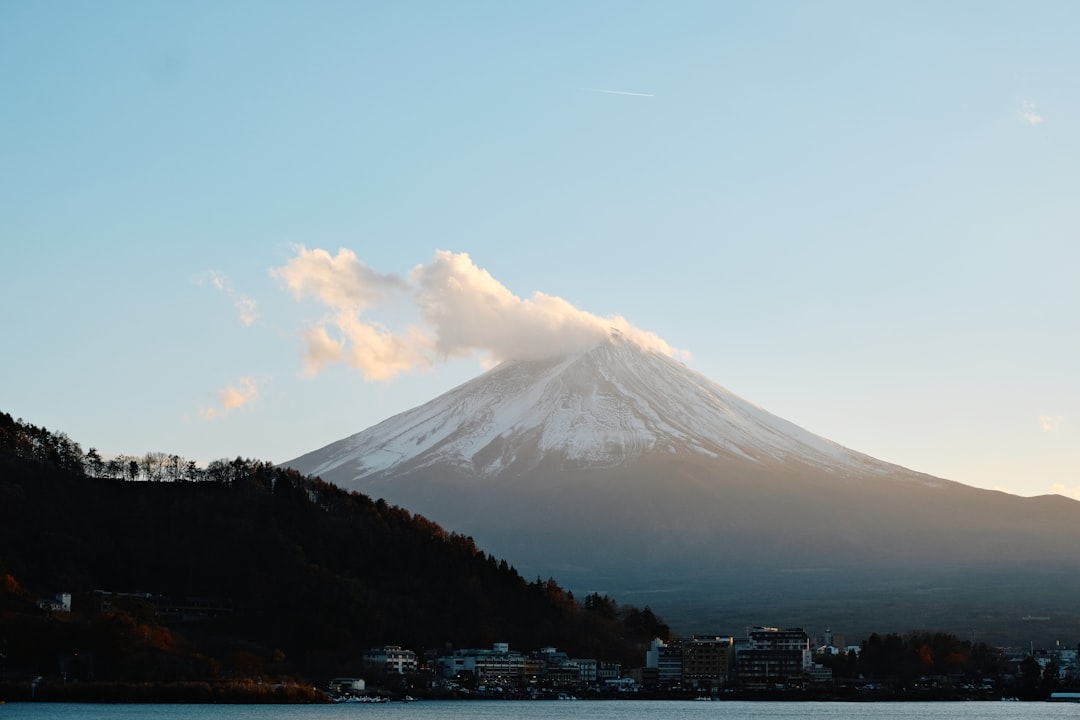
Is Fuji visible?
Mt. Fuji is visible roughly one-third of the year. Winter offers the best odds at 50-60%, while summer drops below 25%. The mountain generates its own cloud systems, so clear skies overhead do not guarantee a view. Check if Fuji is visible right now with our real-time forecast updated every 15 minutes.
Is Fuji visible? The answer depends on when you are asking, where you are standing, and what the atmosphere is doing between you and the mountain. Fuji hides more than it reveals. From nearby Kawaguchiko, the mountain is fully visible on about 120 days per year. From Tokyo, that number drops to around 80.
Those numbers surprise most visitors. Japan's most iconic peak feels like it should always be there, snow-capped and postcard-perfect. But Fuji sits at the collision point of Pacific moisture, mountain-generated weather, and urban haze. Understanding why it disappears is the first step toward actually seeing it.
Why Fuji disappears
Mt. Fuji does not simply hide behind clouds. At 3,776 meters, the mountain is large enough to manufacture its own weather systems. Three forces work against you.
Orographic cloud formation
Moist air from the Pacific flows inland and hits Fuji's slopes. As it rises, the air cools, and water vapor condenses into clouds that wrap around the summit. This process, called orographic lift, can produce a dense cap cloud (known as "kasagumo" in Japanese) even when the surrounding sky is completely blue. The Japan Meteorological Agency tracks these patterns across central Honshu, and experienced Fuji-watchers use wind direction data to predict when cap clouds will form or dissolve.
Orographic clouds explain one of the most frustrating situations for visitors: standing in sunshine at Kawaguchiko while the peak remains buried. The air around you is clear. The problem is 3,000 meters above you.
Atmospheric haze and humidity
Humidity is the single strongest predictor of whether Fuji is visible. Our monitoring system tracks this in real time, and the data is stark:
| Humidity Level | Avg Visibility Score | Readings |
|---|---|---|
| Under 40% | 97.4 | 16 |
| 40-59% | 91.2 | 48 |
| 60-79% | 79.8 | 31 |
| 80%+ | 38.6 | 70 |
Data from 165 readings, March-April 2026, via our real-time monitoring system.
A 59-point score gap between dry and humid conditions. That is the difference between a postcard and an empty sky. Even without clouds, high humidity creates invisible haze that erases distant objects. Summer humidity in the Kanto Plain regularly pushes horizontal visibility below 10 kilometers. At 100 km from Tokyo, Fuji becomes a ghost.
Winter brings dry Siberian air that drops humidity dramatically. That dryness, not the cold itself, is what makes winter the best season for clear views. The same principle applies on a smaller scale after cold fronts pass in any season: the first clear morning often delivers the sharpest views of the month.
Urban pollution
Tokyo's PM2.5 levels and nitrogen dioxide concentrations add a persistent layer of haze that sits over the Kanto Plain. On days when rural areas near Kawaguchiko have excellent visibility, Tokyo can still be hazy enough to block a Fuji sighting. The Tokyo Metropolitan Government air quality data correlates directly with distant mountain visibility.
This is why viewing Fuji from Tokyo is so unreliable compared to closer locations. Every kilometer of polluted urban air between you and the mountain reduces your odds.
What the numbers tell us
Combining all three factors, the data is clear. When precipitation probability exceeds 50%, our monitoring system records an average score of 13. When precipitation is below 10%, the average jumps to 81. Dry air with low clouds can still produce decent views. Humid air with clear skies often cannot. If you have to pick one number to check before heading out, check humidity.
Is Fuji visible by month?
Monthly visibility rates vary dramatically. The following data reflects conditions from Kawaguchiko, the most popular viewing area.
| Month | Visibility Rate | Best Time of Day | Top Location | Conditions |
|---|---|---|---|---|
| January | 55-60% | 6:00-9:00 AM | Kawaguchiko | Peak visibility. Cold, dry Siberian air dominates. |
| February | 55-60% | 6:00-9:00 AM | Kawaguchiko | Continues strong. Snow-capped peak at its most photogenic. |
| March | 45-50% | 6:00-8:30 AM | Kawaguchiko | Spring transition. Good odds early in the month, declining late. |
| April | 40-45% | 5:30-8:00 AM | Chureito Pagoda | Cherry blossom season brings iconic photo ops on clear days. |
| May | 35-40% | 5:00-7:30 AM | Hakone | Warming air increases haze. Morning-only views become the norm. |
| June | 10-15% | 5:00-7:00 AM | Kawaguchiko | Tsuyu (rainy season) begins. Weeks of persistent cloud cover. |
| July | 15-20% | 4:30-7:00 AM | Kawaguchiko | Worst month. Tsuyu ends mid-July but humidity stays extreme. |
| August | 20-25% | 5:00-7:00 AM | Gotemba 5th Station | Climbing season peaks, but views from below remain poor. |
| September | 30-35% | 5:30-8:00 AM | Kawaguchiko | Gradual improvement as Pacific high retreats. |
| October | 40-45% | 5:30-8:30 AM | Kawaguchiko | Autumn clarity returns. First snow possible on the summit. |
| November | 45-55% | 6:00-9:00 AM | Hakone | Strong month. Dry air settles in, autumn colors at lower elevations. |
| December | 55-60% | 6:30-9:00 AM | Kawaguchiko | Best month alongside January. Longest clear windows of the year. |
For a detailed breakdown with location-specific odds, see our complete seasonal guide.
Visibility by time of day
Regardless of season, Fuji visibility follows a predictable daily curve. Mornings win. Afternoons lose.
| Time Window | Avg Visibility Score | What Happens |
|---|---|---|
| 5:00-7:00 AM | 75-85 | Overnight cooling clears haze. Convective clouds have not formed. Best window. |
| 7:00-9:00 AM | 65-75 | Still strong. Humidity rising slowly. Worth the trip. |
| 9:00 AM-12:00 PM | 50-65 | Sun heats the ground, pushing moist air upward. Summit clouds start forming. |
| 12:00-3:00 PM | 35-50 | Peak haze and cloud buildup. Worst window of the day. |
| 3:00-5:00 PM | 40-55 | Slight recovery as solar heating fades. Sunset colors possible. |
| After sunset | 20-35 | Only visible as a moonlit silhouette on clear nights from close range. |
The takeaway: if you arrive at Kawaguchiko at noon and cannot see Fuji, that does not mean the day was a loss. It means you arrived too late. Set an alarm for sunrise and check again.
How to check if Fuji is visible right now
Three methods give you reliable, real-time information.
Visibility forecast scores. Our Mt. Fuji visibility page calculates a 0-100 score using visibility scores from our weighted atmospheric model. Scores update every 15 minutes. A score above 70 means good odds from any major viewpoint. Above 85 means exceptional conditions worth traveling for. Across our monitoring data, 51% of all readings scored 80 or above (excellent), while 16% scored below 20 (not visible). The remaining third fell somewhere in between.
Live webcams. Twelve embedded camera feeds on the same page let you visually confirm what the forecast predicts. Cameras cover Kawaguchiko, Hakone, Gotemba, and several Tokyo vantage points. A high score plus a clear camera is the strongest signal you can get.
JMA weather data. The Japan Meteorological Agency publishes cloud cover, humidity, and wind forecasts for the Fuji region. Our weather forecast guide explains how to interpret their raw data for visibility specifically. Cross-referencing JMA with our forecast helps when conditions look borderline.
Where your odds are highest
Distance from the mountain is the single biggest factor in whether you see it. Every kilometer of atmosphere between you and the peak adds haze, pollution, and cloud interference.
| Distance from Fuji | Clear-Day Visibility | Example Locations |
|---|---|---|
| 10-25 km | 90%+ | Kawaguchiko, Gotemba, Fujiyoshida |
| 25-50 km | 70-85% | Hakone, Mishima, Numazu |
| 50-80 km | 40-60% | Yokohama, Odawara, Atami |
| 80-120 km | 15-30% | Tokyo, Chiba, Yokosuka |
| 120+ km | <10% | Osaka (only on exceptional winter days) |
These percentages reflect days with favorable weather. On a day with 60% humidity and partial cloud cover, even Kawaguchiko drops to 50-60% odds while Tokyo drops to near zero.
Kawaguchiko (25 km). The most reliable spot. Only summit-level clouds can block your view at this distance. Accessible by direct bus from Shinjuku in under two hours. Our viewing locations guide covers the best vantage points around the lake.
Hakone (25 km). Similar distance from the southeast side, with hot springs as a backup activity. Hakone sometimes stays clear when the north side is clouded, since weather systems often approach from the northwest.
Tokyo (100 km). Realistic only on the clearest winter mornings. Treat a Tokyo sighting as a bonus, not a plan.
Shinkansen. Seats D and E on the right side heading west from Tokyo give a 10-minute window near Shin-Fuji station. Works best on clear winter days when you can spot the peak from as far as Osaka.
For photographers: from Kawaguchiko (25 km), a 24-70mm lens captures Fuji with landscape context. From Tokyo (100 km), you need 200mm or longer to fill the frame. Golden hour starts roughly 30 minutes before sunrise and produces the pink-to-orange glow on the snowcap that defines the classic Fuji shot. Our photography guide covers settings, compositions, and seasonal lighting at each major viewpoint.
What to do when Fuji is not visible
This happens more often than not. Having a backup plan keeps the trip worthwhile and takes the pressure off any single day.
Read the score before you react
Not all "not visible" situations are equal. A score between 40 and 60 means conditions are borderline and could swing either way within an hour or two. Set up at a lakeside cafe, keep the forecast open on your phone, and wait. Many visitors see the mountain appear mid-morning after what looked like a lost cause at dawn. A score below 30, especially with rain or heavy cloud cover, means Fuji is not coming out. Move to your backup plan and save your energy for tomorrow morning.
Kawaguchiko rainy-day activities
The Fuji Five Lakes area has enough to fill a cloudy day without feeling like wasted time.
- Itchiku Kubota Art Museum (¥1,300): stunning kimono art collection in a forest setting on the Kawaguchiko lakeshore. Worth visiting even in perfect weather.
- Kawaguchiko Music Forest (¥1,800): European-style garden with automated orchestral instruments. Kitsch but entertaining.
- Oshino Hakkai (free): eight crystal-clear spring ponds fed by Fuji snowmelt. The water is visible even when the mountain is not. A 20-minute drive from Kawaguchiko.
- Fugaku Wind Cave + Narusawa Ice Cave (¥700 combined): lava tube caves from Fuji's last eruption, cool inside year-round. Good for summer days when heat and humidity kill visibility.
- Local onsen: hot spring baths are everywhere in the region. Many offer Fuji-view outdoor baths that are worth revisiting once the mountain clears.
The Yamanashi Prefecture tourism site lists seasonal events and smaller attractions around the lakes.
Pivot to a different area
Weather patterns differ on the north and south sides of Fuji. If Kawaguchiko is socked in, check the webcam feeds for the Gotemba or Hakone side before giving up. Hakone is 45 minutes by bus and sometimes stays clear when the north side is clouded. Gotemba Premium Outlets (30 minutes from Kawaguchiko) pairs shopping with occasional south-side Fuji views. The Izu Peninsula coast, about an hour south, offers ocean scenery as a complete change of pace.
Planning a different mountain trip?
The same real-time visibility approach works beyond Japan. Our Mt. Rainier forecast tracks conditions in Washington state, where Pacific maritime weather creates similar hide-and-seek dynamics. Denali in Alaska is visible only about 30% of the time during summer, making a forecast tool equally valuable there.
Frequently asked questions
How often is Fuji visible from Kawaguchiko?
About 120 days per year, or roughly one in three days. Winter months push above 50%. Summer drops below 20%. Early mornings consistently offer better odds than afternoons, regardless of season, because overnight cooling reduces haze and convective clouds have not yet formed.
Why can I not see Fuji on a sunny day?
Sunshine at ground level does not mean clear views at 3,776 meters. Orographic clouds can cap the summit while the sky above you is blue. Humidity creates haze that makes the mountain invisible from distance even without any cloud cover. Both problems are worse in summer.
Is Fuji visible at night?
On full moon nights with clear skies, Fuji appears as a dark silhouette against the stars. Several webcams at Kawaguchiko run 24/7 and capture these views. Practically speaking, nighttime viewing requires being at a close-range location (within 30 km) with minimal light pollution. The mountain is not visible from Tokyo at night.
What is the single best day to see Fuji?
The morning after a cold front passes in December or January. Dry northwest winds flush all moisture from the Kanto Plain, and visibility can exceed 100 kilometers. In our monitoring data, the clearest day recorded was March 21, 2026: a perfect score of 100 all day, humidity at 20%, zero cloud cover. The worst was March 31: an average score of 15, humidity at 88%, with 70% cloud cover. The difference between those two days was entirely weather. Our visibility trends page shows these spikes clearly in the historical data. Target a 3-day window in late December or early January and go on whichever morning scores highest.
More Articles
Is Mt. Fuji Visible Today? How to Check Real-Time Conditions
Is Mt. Fuji visible today? Check real-time forecasts, live cameras, and visibility scores to plan your best Fuji viewing trip.
Mount Fuji Visibility: Complete Guide to Clear Views by Season, Time, and Location
Mount fuji visibility depends on season, time of day, and humidity. This guide covers monthly statistics, best viewing spots, and how to check real-time conditions.
Best Time to See Mt. Fuji: A Complete Visibility Guide
Planning to see Mt. Fuji? Learn the best months, times of day, and weather conditions for clear views of Japan's iconic mountain.