Reflection Lake Mt. Rainier: The Perfect Mirror Shot Guide
Reflection Lake at Mt. Rainier is the park's most photographed view. Learn when the mirror actually works, parking, trails, and reflection timing.

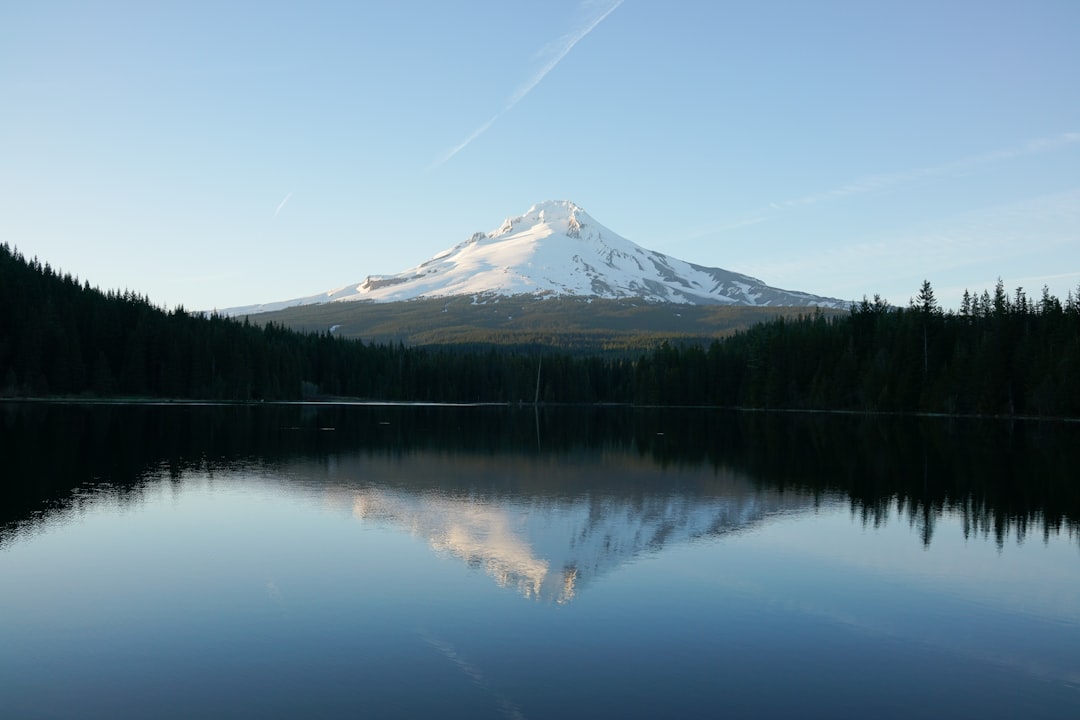
What is Reflection Lake at Mt. Rainier?
Reflection Lake is a subalpine tarn on Stevens Canyon Road, about 1.3 miles east of the Paradise junction in Mount Rainier National Park. On a calm, clear morning it mirrors the full 14,411-foot summit in still water, which makes it perhaps the single most photographed view in the park. But that perfect mirror only appears when several conditions line up at once. Before you drive up, check the live Mount Rainier visibility forecast to see whether the peak will even be out that day.
Table of Contents
- What Is Reflection Lake at Mt. Rainier?
- Will the Mountain Actually Be Reflected? The Honest Answer
- The Four Conditions for a Perfect Reflection
- Best Time to Visit Reflection Lake Mt. Rainier
- How to Get There and Parking
- Hiking Around Reflection Lakes
- Reflection Lakes in Winter
- Build a Visibility-Aware Paradise Day
- Frequently Asked Questions
What Is Reflection Lake at Mt. Rainier
Reflection Lake is the largest of a pair of small subalpine lakes, collectively called Reflection Lakes, that sit right beside Stevens Canyon Road at roughly 4,860 feet of elevation. They are tarns: quiet, shallow basins left behind as glaciers retreated from the Paradise area thousands of years ago. There is no roaring water and no dramatic gorge. The whole appeal is stillness.
That stillness is the point. When the air is calm, the surface goes flat enough to hold a near-perfect upside-down image of Mount Rainier, framed by subalpine firs and, in season, meadows of wildflowers. The National Park Service notes the lakes are named for exactly this effect, and it is why photographers rank the spot alongside the classic reflection viewpoints anywhere in the American West.
What makes Reflection Lake unusual among iconic viewpoints is how little effort it demands. You do not earn this view after a 2,000-foot climb. The parking pullouts sit at the water's edge, and the most famous shot is a few steps from your car. That accessibility is a blessing and a curse, because on a clear summer morning you will be sharing those steps with a crowd of tripods.
The lakes are also protected. To shield the fragile riparian vegetation, swimming, boating, and fishing are all prohibited, and visitors must stay on designated trails around the shoreline. This is a look-but-do-not-touch destination, which is part of why the water stays so mirror clean.
Will the Mountain Actually Be Reflected? The Honest Answer
The reflection only works when Mount Rainier is actually visible, and that is far from guaranteed. This is the detail almost every travel guide glosses over. Mount Rainier is fully "out," meaning the summit is clear and unobstructed, only about 20 to 30 percent of the year. The rest of the time clouds cap the peak, and when that happens, Reflection Lake mirrors nothing but gray sky.
Think about what that means for your trip. You can drive two hours from Seattle, arrive at a glassy, wind-free lake at dawn, and still get no mountain, because the summit is buried in its own weather system. The water can be perfectly still and the shot still fails. A reflection lake is only as good as the thing it is trying to reflect.
This is exactly the gap our tool is built to close. The real-time Mount Rainier visibility score comes from a weighted atmospheric model that combines cloud cover, humidity, precipitation probability, and atmospheric visibility distance, updated every 15 minutes and forecast 10 days out. Instead of gambling on a pre-dawn drive, you can check whether the peak is forecast to be out before you set an alarm for 4 a.m.
If the score is high, Reflection Lake is one of the best places on Earth to be at sunrise. If the score is low, you are better off pivoting to a weather-proof stop like Narada Falls, which thunders no matter what the summit is doing. For the deeper reason the mountain hides so often, our Mount Rainier weather guide breaks down the Pacific maritime patterns that keep the peak under cloud most of the year.
The Four Conditions for a Perfect Reflection
A textbook Reflection Lake mirror needs four things to happen at the same time, and missing any one of them ruins the shot. Guides tend to mention one or two in passing. Here is the full checklist.
1. The mountain is out. Non-negotiable, and the hardest to control. Use the live visibility forecast the evening before and the morning of. A clear valley in Seattle does not mean a clear summit at Rainier.
2. The wind is calm. Even a light breeze ripples the surface and smears the reflection. Wind almost always picks up as the day warms, which is why the mirror is a dawn phenomenon. The lake is usually glassiest in the hour before and after sunrise, before thermal winds develop.
3. The air is smoke-free. Late summer wildfire smoke from Washington, Oregon, and British Columbia can turn a "clear" forecast into a hazy wall that flattens the mountain and dulls the reflection. August and September are the highest-risk months. A blue sky overhead with a milky horizon is the warning sign.
4. The light is soft. The magic hour is the roughly 30 minutes around sunrise, when the first light turns the summit pink or gold (a phenomenon photographers call alpenglow) while the surrounding basin is still shaded and windless. Harsh midday sun kills both the color and the stillness.
The takeaway: the "perfect reflection" photos you see online represent a small fraction of actual visits. Manage your expectations, stack the odds by checking the forecast, and treat a flawless mirror as a bonus rather than a guarantee. Cross-referencing the forecast with a Mount Rainier webcam the morning of gives you the most reliable read on all four conditions at once.
Best Time to Visit Reflection Lake Mt. Rainier
The best time to visit Reflection Lake is at sunrise from mid-July through late September, when Stevens Canyon Road is snow-free and the water is calmest. Season and time of day both matter, and they matter for different reasons.
Season. Stevens Canyon Road, which runs right past the lakes, is typically open to vehicles only from late June through September, closing for winter once the snow arrives. Snow can linger at this elevation into July, so mid-July through September is the reliable window for drive-up access. This also overlaps with peak wildflower bloom, when avalanche lilies, lupine, magenta paintbrush, and western pasqueflower fill the surrounding meadows, adding a foreground to the classic composition.
Time of day. Early morning is king. Photographers routinely arrive a little after 4 a.m. to claim a spot before sunrise, because the water is stillest and the winds have not yet come up. If you show up half an hour before sunrise on a clear July Saturday, you may grab the last parking space, with tripods already spread along the best angles. Sunset also works and draws smaller crowds, but the wind is less reliable in the evening. For the full breakdown of golden-hour timing across the park, see our Mount Rainier sunrise guide.
For a month-by-month view of when both the mountain and its meadows peak, our best time to see Mount Rainier guide maps out the visibility odds through the year.
How to Get There and Parking
Reflection Lakes sits on Stevens Canyon Road, about 1.3 miles east of the wye where Paradise Valley Road meets Stevens Canyon Road, and roughly 3 miles past Narada Falls if you are coming up from the Nisqually Entrance. The lakes are right beside the road, with pullout parking on both the north and south sides.
Parking is the real challenge, not the drive. The roadside lots are modest and fill early. On clear summer weekends, photographers arrive well before dawn and the spots are gone by sunrise. If you are coming for the reflection, plan to arrive in the dark. If you are coming for a mid-morning stroll, be ready to circle or park at a nearby pullout and walk in.
Good news for 2026: Mount Rainier National Park will not require timed-entry reservations this year for any area, including the Paradise and Stevens Canyon corridors, according to the park's own announcement. You simply pay the entrance fee, $30 per private vehicle valid for seven consecutive days, and drive in. The park manages busy days through parking capacity rather than advance booking, so arriving early matters more than ever.
To orient yourself before the drive, our Mount Rainier map guide lays out the entrances, the Paradise corridor, and where Reflection Lakes falls along Stevens Canyon Road.
Hiking Around Reflection Lakes
You do not need to hike at all to enjoy Reflection Lake, but two nearby trails reward the effort with different perspectives.
The Lakes Trail is an approximately 3-mile loop that starts from either end of the parking area. It climbs the ridge above the lakes, follows it past Faraway Rock (with views down to Louise Lake and across the Tatoosh Range), then descends back to the water, with the eastern return being the steeper side. It is the natural choice if you want to stretch the visit into a half-day and see the lakes from above. This trail also links into the 93-mile Wonderland Trail and connects west toward Narada Falls.
The Pinnacle Peak Trail starts just south of the lakes and climbs about 1,050 feet over 2.5 miles round-trip through subalpine meadows to a saddle in the Tatoosh Range. Per Washington Trails Association, it holds patches of snow well into summer and has steep, exposed drop-offs near the top, so it is a step up in difficulty. The reward is a panorama that can include Mount Adams and Mount St. Helens on a clear day. This is the better pick when the summit is socked in but the surrounding peaks are visible, since you are not depending on Rainier itself for the payoff.
Reflection Lakes in Winter
In winter, Stevens Canyon Road closes and the lakes become a snowshoe and backcountry-ski destination rather than a drive-up stop. The frozen, snow-covered basin takes on a completely different character, and on a clear cold day the mountain views can be spectacular, with far fewer people than summer.
Reaching them means starting from the plowed area near Paradise and traveling in on snow, which requires winter gear, avalanche awareness, and solid navigation skills. Visit Rainier describes the snowshoe route as a moderate outing, but conditions and avalanche danger vary enormously, so always check the park's current conditions and forecast before setting out. Our Mount Rainier weather guide covers what the mountain's snowbound months actually deliver.
Winter also flips the visibility math in your favor. The clearest, driest air of the year often follows a storm's cold front, so the 24 to 48 hours after a system clears can produce the crispest mountain views of the season, if you are equipped to get there safely.
Build a Visibility-Aware Paradise Day
The smartest way to plan around Reflection Lake is to let the visibility forecast decide your itinerary, not the other way around. Because the lakes sit on the same Stevens Canyon corridor as Paradise and Narada Falls, you can build a loop that works whether or not the mountain cooperates.
Here is the logic:
- If the mountain is out (high visibility score): Start at Reflection Lake for sunrise while the summit is clear and the water is still, then head up to the Paradise meadows for wildflowers, and swing by Narada Falls on the way down.
- If the mountain is hidden (low visibility score): Skip the pre-dawn mirror attempt entirely. Make the weather-proof stops your focus. Narada Falls actually photographs best under soft overcast, and the forested trails do not care whether the peak is out.
This is the piece almost every Reflection Lake guide leaves out. They describe the perfect shot without telling you how rarely the conditions for it exist, or what to do on the other 70 to 80 percent of days. Checking the current visibility score turns a gamble into a plan.
If you want to know whether the mountain will even be visible from the lowlands before you commit to the drive, our guide to whether the mountain is out over Seattle explains how to read the conditions from the city first.
Frequently Asked Questions
Can you swim in Reflection Lakes at Mount Rainier?
No. Swimming, boating, and fishing are all prohibited at Reflection Lakes to protect the fragile riparian vegetation and subalpine meadows. Visitors must also stay on designated trails around the shoreline. It is a viewing and photography destination, not a recreation lake.
What is the best time of day for Reflection Lake?
Sunrise is best. The water is stillest in the hour around dawn before winds pick up, and early light can turn the summit pink with alpenglow. Photographers often arrive a little after 4 a.m. in summer to claim parking and a shooting spot before the crowds. Sunset also works but tends to be windier.
How far is Reflection Lake from Paradise?
Reflection Lakes sit about 1.3 miles east of the Paradise Road wye along Stevens Canyon Road, roughly a 5-minute drive. That proximity makes it easy to pair a Reflection Lake sunrise with the Paradise meadows and Narada Falls in a single morning.
Do you need a reservation to visit Reflection Lakes in 2026?
No. Mount Rainier National Park is not requiring timed-entry reservations in 2026 for any area, including the Stevens Canyon and Paradise corridors. You pay the standard $30-per-vehicle entrance fee and drive in. Parking still fills before sunrise on clear summer days, so arrive early.
Will Mount Rainier be reflected when I visit?
Only if the summit is clear and the water is calm. Mount Rainier is fully visible only about 20 to 30 percent of the year, so the reflection is never guaranteed. Check the live visibility forecast the night before and the morning of to see whether the peak is expected to be out.
Plan Your Reflection Lake Visit
Reflection Lake delivers one of the most stunning views in the Pacific Northwest, but only when the mountain, the wind, the air, and the light all cooperate. That alignment is rarer than the postcards suggest, which is exactly why timing your visit around real data beats showing up and hoping.
Check the current Mount Rainier visibility forecast before you set that early alarm. If the score is high, get to the lakeshore before dawn and watch the summit light up in the still water. If it is low, sleep in, save the drive, and let a waterfall or a forest trail carry the day instead. Either way, you will have planned like someone who knows the mountain, not just someone hoping to get lucky.
More Articles
Narada Falls: Mount Rainier's Roadside Waterfall Guide
Narada Falls is Mount Rainier's largest drive-up waterfall. Get directions, the trail, the best time to visit, and rainbow-viewing tips.
Best Time to See Mt. Rainier: Seattle Visibility Guide by Month
Find the best time to see Mt. Rainier from Seattle with monthly visibility data. Learn when "the mountain is out" and how to plan your visit for clear views.
Paradise Mt Rainier: The Complete Visitor Guide for Every Season
Plan your trip to Paradise at Mt Rainier with trail details, parking tips, wildflower timing, and visibility forecasts.