Mt. Fuji Pass: What It Covers and Whether It's Worth Buying
The Fuji Pass costs 7,500 to 12,400 yen and covers Fujikyu trains, buses, the ropeway and lake cruises. Here is the break-even math before you buy.

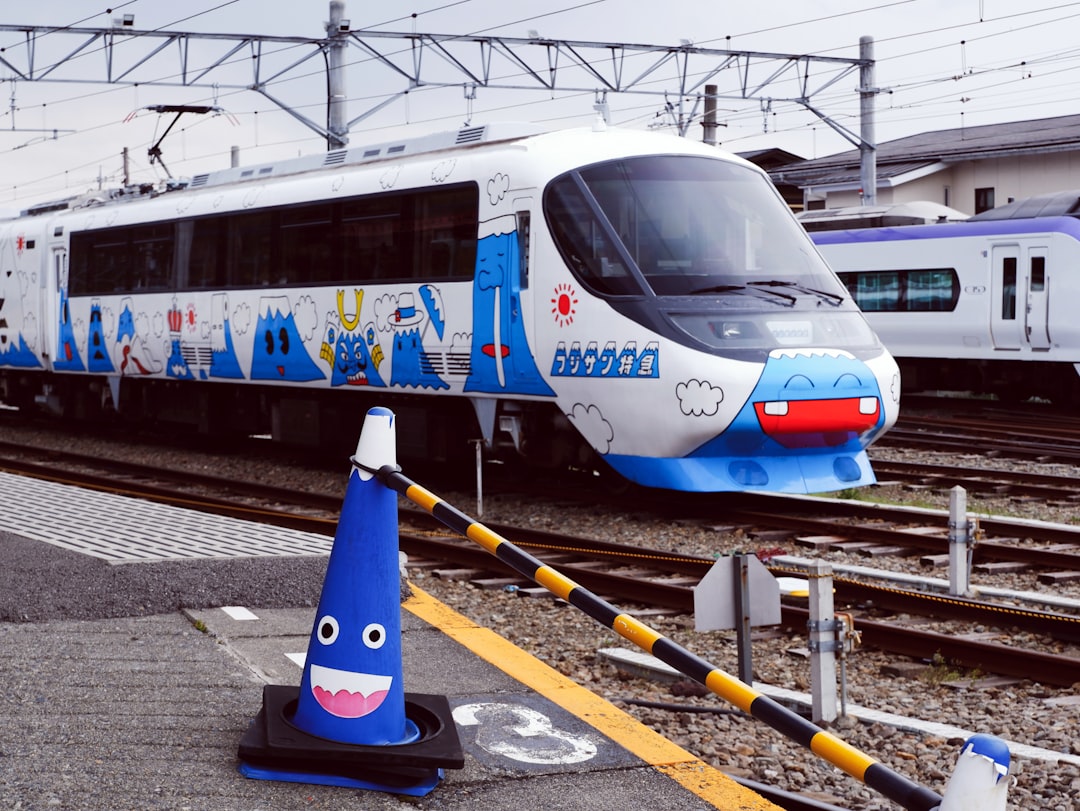
What Is the Mt. Fuji Pass?
The Mt. Fuji Pass is a Fujikyu transport-and-attraction ticket sold only to foreign travellers. It gives unlimited rides on Fujikyu Railway trains and Fujikyu buses around the Fuji Five Lakes, plus free entry to the Mt. Fuji Panoramic Ropeway, two lava caves, two lake cruises and one Fuji-Q Highland attraction. Prices are ¥7,500 for one day, ¥10,200 for two days and ¥12,400 for three.
Most guides to the Fuji Pass stop at the list of what is included. That list is easy to find and tells you almost nothing about whether you should buy it. What follows is the arithmetic: the exact fares and admission prices the pass replaces, three realistic itineraries priced both ways, and the two things about this ticket that no reseller page mentions. One of them will save you money. The other will stop you from wasting the pass entirely.
Table of Contents
- What the Mt. Fuji Pass Covers
- What the Pass Does Not Cover
- Mt. Fuji Pass Prices
- Is the Fuji Pass Worth It? Three Itineraries, Priced Both Ways
- The Fuji-Q Highland Catch
- The Pass Is a Bet on Clear Weather
- Who Should Buy It, and Who Should Not
- Where and How to Buy
- Frequently Asked Questions
What the Mt. Fuji Pass Covers
The Mt. Fuji Pass covers unlimited travel on Fujikyu Railway trains between Otsuki and Kawaguchiko and on the entire Fujikyu bus network around the mountain, plus free entry to seven attractions. It is issued by Fujikyu, the private company that runs both the railway and the buses on the Yamanashi side, so the coverage is deep on that side and non-existent on JR.
On the transport side, the official Mt. Fuji Pass page lists these as included:
- Fujikyu Railway, Otsuki to Kawaguchiko, all 18 stations including Mt. Fuji Station and Fuji-Q Highland. Our guide to the Fujikyu Railway explains the route and which side of the carriage to sit on.
- Sightseeing buses: the Red Line along Lake Kawaguchi's north shore to Oishi Park, the Blue Line to the lava caves and Lake Motosu, and the Green Line around Lake Saiko.
- Fujikko-go (F-Line) out to Oshino Hakkai, Hana no Miyako Park and Lake Yamanaka.
- Climbers' buses, seasonal, to all four Mt. Fuji 5th Stations: Fuji Subaru Line, Fujinomiya, Gotemba and Subashiri.
- Long local routes across the region, including Kawaguchiko to Gotemba and Mishima, Kawaguchiko to Kofu and Isawa Onsen, and Kawaguchiko to Fujinomiya and Shin-Fuji Station.
That last group is the quietly expensive part. Crossing from the Yamanashi side to the Shizuoka side by bus is a long, pricey ride that most visitors never price out.
The attraction inclusions are more concrete. Free entry means free, not discounted:
| Included attraction | What the pass covers | Value replaced |
|---|---|---|
| Mt. Fuji Panoramic Ropeway | Free round trip | ¥1,000 |
| Fugaku Wind Cave and Narusawa Ice Cave | Free admission to both | ¥600 combo ticket |
| Lake Kawaguchi excursion boat "Appare" | Free ride | about ¥1,000 |
| Lake Yamanaka "Swan Lake" excursion ship | Free ride | about ¥1,000 |
| Fujiyama Museum, next to Fuji-Q Highland | Free admission | museum entry |
| Grinpa, Gotemba side | Free admission, rides extra | park entry |
| Fuji-Q Highland | Entry plus one attraction | up to ¥2,000 |
Separate from those, the pass earns you small discounts rather than free entry at a scattering of shops, restaurants and onsen: ¥100 off adult admission at Fujiyama Onsen and at Oshino Shinobi no Sato, 5 to 10 percent off at station souvenir shops and the 5th Station restaurant.
What the Pass Does Not Cover
The Mt. Fuji Pass does not cover any JR line, and it does not cover the limited express surcharges on the Fujikyu Railway's own scenic trains. Both gaps catch people out at the ticket gate.
JR first. The pass starts at Otsuki. Getting from Tokyo to Otsuki on the JR Chuo Line is your own expense, as is the highway bus from Shinjuku, which Fujikyu also runs but which sits outside the pass. Plan that leg separately.
The surcharge gap is smaller but more annoying, because the trains it applies to are the ones people actually want to ride:
| Train | Surcharge on top of the pass |
|---|---|
| Limited Express Fuji Excursion (direct from Shinjuku) | +¥600 |
| Fujisan View Express, non-reserved | +¥400 |
| Fujisan View Express, reserved | +¥600 |
| Fujisan View Express, first class | +¥1,300 |
| Fujisan Express, non-reserved / reserved | +¥400 / +¥600 |
| Fuji Tozan Densha | +¥200 |
One more restriction is worth knowing before you commit money. The pass is non-refundable and its validity cannot be extended for any reason, including a closed attraction, a cancelled bus or a typhoon. It is also a named ticket that cannot be reissued if lost, and you are required to carry your passport while using it.
Mt. Fuji Pass Prices
The Mt. Fuji Pass costs ¥7,500 for one day, ¥10,200 for two consecutive days and ¥12,400 for three, with children aged 6 to 11 paying exactly half.
| Duration | Adult (12+) | Child (6-11) | Cost per day |
|---|---|---|---|
| 1 Day | ¥7,500 | ¥3,750 | ¥7,500 |
| 2 Day | ¥10,200 | ¥5,100 | ¥5,100 |
| 3 Day | ¥12,400 | ¥6,200 | ¥4,133 |
Look at the right-hand column, because the pricing is steeply tiered. The second day costs ¥2,700 and the third costs ¥2,200, against ¥7,500 for the first. A single day of Fujikyu bus and train travel rarely reaches ¥2,700 on its own, so the marginal days are much easier to justify than the first one. If you are wavering between one and two days, the two-day pass is almost always the better buy.
Is the Fuji Pass Worth It? Three Itineraries, Priced Both Ways
The Fuji Pass is worth it if your itinerary includes the 5th Station bus or spans two full days; it loses money on a single day spent around Lake Kawaguchi. Below are three real itineraries with every component priced at its 2026 walk-up fare, all adult prices.
Itinerary A: one day, classic Kawaguchiko loop
Train up from Otsuki, hop the sightseeing buses, ride the ropeway, take the lake cruise, visit the caves, train back.
| Component | Walk-up price |
|---|---|
| Otsuki to Kawaguchiko, local train | ¥1,170 |
| Kawaguchiko to Otsuki, local train | ¥1,170 |
| Kawaguchiko / Saiko / Motosuko 2-day bus pass | ¥2,000 |
| Mt. Fuji Panoramic Ropeway, round trip | ¥1,000 |
| Lake Kawaguchi "Appare" cruise | ¥1,000 |
| Wind Cave and Ice Cave combo | ¥600 |
| Total | ¥6,940 |
The 1-Day Mt. Fuji Pass costs ¥7,500. You lose ¥560 by buying it, and that is with the day already packed to the brim. This is the single most common Fuji Pass itinerary, and it does not pay for itself. Note that Fujikyu sells its sightseeing bus pass only as a two-day product, so a one-day visitor buying à la carte still pays the ¥2,000 and gets a spare day out of it.
Itinerary B: one day including the Subaru Line 5th Station
Swap the caves for the drive up to 2,300 metres.
| Component | Walk-up price |
|---|---|
| Otsuki to Kawaguchiko, round trip train | ¥2,340 |
| Kawaguchiko to Fuji Subaru Line 5th Station, round trip bus | ¥3,400 |
| Mt. Fuji Panoramic Ropeway, round trip | ¥1,000 |
| Lake Kawaguchi "Appare" cruise | ¥1,000 |
| Total | ¥7,740 |
Now the pass wins, but only by ¥240. The 5th Station bus is the single most expensive item Fujikyu sells to day visitors, and it is what flips a one-day pass into profit. Be honest about the schedule, though. The 5th Station round trip alone eats close to four hours with the walk-around, so an itinerary tight enough to make the 1-Day Pass pay is also an itinerary too rushed to enjoy.
Itinerary C: two days, lakes plus the 5th Station
| Component | Walk-up price |
|---|---|
| Otsuki to Kawaguchiko, round trip train | ¥2,340 |
| Kawaguchiko to Fuji Subaru Line 5th Station, round trip bus | ¥3,400 |
| Kawaguchiko / Saiko / Motosuko 2-day bus pass | ¥2,000 |
| Mt. Fuji Panoramic Ropeway, round trip | ¥1,000 |
| Lake Kawaguchi "Appare" cruise | ¥1,000 |
| Wind Cave and Ice Cave combo | ¥600 |
| One Fuji-Q Highland coaster ride | ¥2,000 |
| Total | ¥12,340 |
Against ¥10,200 for the 2-Day Pass, that is ¥2,140 saved, and the itinerary is comfortably paced rather than a sprint. Add a Fujikko-go run out to Oshino Hakkai and the Lake Yamanaka cruise, both included, and the margin widens further.
The pattern across all three is consistent. The pass rewards distance and breadth, not the number of attractions you tick off. Two days moving between lakes beats one day doing everything on one shoreline.
The Fuji-Q Highland Catch
Free admission to Fuji-Q Highland, which nearly every Fuji Pass listing advertises as a headline benefit, is worth exactly nothing, because entry to Fuji-Q Highland is free for everybody. The park moved to a free-entry, pay-per-ride model years ago. Anyone can walk in without a ticket.
What the pass actually gives you is one free attraction. That is a real benefit, and on the big four coasters it is a decent one: Fujiyama, Eejanaika, Takabisha and Zokkon each cost ¥2,000 as a single ride according to the official Fuji-Q attraction price list, while most other rides run ¥800 to ¥1,500. Use your free ride on a ¥2,000 coaster, not on a carousel.
The corollary matters more. If you want a proper day at Fuji-Q you need the 1-Day Pass, which runs roughly ¥6,000 to ¥7,900 depending on the date and is not included in the Mt. Fuji Pass at any tier. Do not buy the Mt. Fuji Pass as a theme park ticket. Grinpa, over on the Gotemba side, has the same structure: admission is included, attractions are not.
The Pass Is a Bet on Clear Weather
Four of the pass's most valuable inclusions are view products, and they are worth close to nothing when the mountain is hidden. The Panoramic Ropeway climbs Mt. Tenjo to an observation deck above 1,000 metres for one reason. The two lake cruises exist to put Fuji above the waterline. The 5th Station bus takes you onto the volcano itself. Strip the mountain out of those four and you have paid ¥7,500 for a cable car ride into cloud.
That is not a hypothetical risk. Fuji City's municipal observers, who log the mountain three times a day from the roof of city hall, recorded a fully visible summit on 136 mornings in 2025, roughly 37 percent of the year, with another 95 mornings showing only part of the cone. Summer is the worst stretch and the December-to-February window is the most reliable, which our guide to the best time to see Mt. Fuji breaks down month by month.
Since the pass carries no refund and no extension, the weather risk is entirely yours. The practical answer is to buy at the counter on the morning you travel rather than weeks in advance. All seven sales counters sell same-day, so check the live score on our Mt. Fuji visibility tracker first, which combines cloud cover, humidity, atmospheric visibility and precipitation into a 0-100 reading using our weighted atmospheric model, then decide. High score means buy the pass and spend the day on the ropeway, the boat and the 5th Station road. Low score means skip it, buy the ¥2,000 two-day bus pass instead, and spend the day on the caves and Iyashi no Sato, which look the same in any weather.
Who Should Buy It, and Who Should Not
Buy the Mt. Fuji Pass if you are:
- Staying two or three days and moving between Kawaguchiko, Saiko and Yamanaka.
- Riding a 5th Station bus during the season. That one fare covers nearly half the price of the 1-Day Pass.
- Crossing between the Yamanashi and Shizuoka sides by bus, for example Kawaguchiko to Gotemba, Mishima or Shin-Fuji, which is where the pass's long local routes quietly pay for themselves.
- Travelling with children, since the child price is a straight half.
Skip it if you are:
- Doing a single day on Lake Kawaguchi's north shore. The ¥2,000 two-day sightseeing bus pass sold at Kawaguchiko Station covers that itinerary for a quarter of the price.
- Holding a Japanese passport or a residence status other than temporary visitor, because you are not eligible.
- Planning a full day at Fuji-Q Highland, where you need the park's own 1-Day Pass regardless.
- Combining the Five Lakes with Hakone, in which case the Odakyu Fuji Hakone Pass is the two-region product to compare against, and our guide to seeing Mt. Fuji from Hakone covers that side of the trip.
Where and How to Buy
The Mt. Fuji Pass is sold at seven staffed counters: Otsuki Station, Kawaguchiko Station, Mt. Fuji Station, Asahigaoka Bus Terminal at Lake Yamanaka, Gotemba Station, Mishima Station and Fujinomiya Station. You must show your passport when you buy or collect it, and staff check that you hold a temporary visitor status.
Buying online through a reseller does not skip the counter. Online orders are vouchers that still need collecting in person, and Fujikyu restricts collection to four of the seven locations: Otsuki, Kawaguchiko, Gotemba and Mishima. Check that your arrival station is on that list before you prepay, and check counter opening hours too, since an early climbers' bus can leave before the window opens.
One activation rule specifically affects Fuji Excursion riders. If you board the direct limited express at Shinjuku, Tachikawa or Hachioji with an uncollected online voucher, you pay the full standard fare, because the pass has not been activated yet. Collect at Otsuki and continue from there, or accept the extra cost.
Frequently Asked Questions
How much does the Mt. Fuji Pass cost?
The Mt. Fuji Pass costs ¥7,500 for a 1-day pass, ¥10,200 for 2 days and ¥12,400 for 3 days for adults aged 12 and over. Children aged 6 to 11 pay half: ¥3,750, ¥5,100 and ¥6,200. Because the second and third days add only ¥2,700 and ¥2,200, the multi-day versions are far better value per day.
Is the Mt. Fuji Pass worth it for one day?
Usually not. A standard one-day Kawaguchiko itinerary of trains, sightseeing buses, the ropeway, a lake cruise and the caves prices out at about ¥6,940 walk-up, which is ¥560 less than the 1-Day Pass. The 1-day version only breaks even if you also take a 5th Station bus, and even then the margin is small.
Does the Mt. Fuji Pass include the train from Tokyo?
No. The pass begins at Otsuki and covers no JR line, so the Chuo Line leg from Shinjuku is a separate fare. It also excludes the limited express surcharge on the direct Fuji Excursion, which adds ¥600 on top of the pass.
Can Japanese residents buy the Mt. Fuji Pass?
No. Fujikyu sells the pass to foreign travellers only, and staff verify your passport and temporary visitor status at the counter when you buy or collect it. Residents and Japanese nationals should look at Fujikyu's domestic bus passes instead.
The Verdict
Buy the 2-Day Pass, or buy nothing. The 1-Day Pass is priced almost exactly at the cost of the day most people actually spend around Lake Kawaguchi, which means you carry all the weather risk for no discount. Add the second day for ¥2,700 and the maths turns decisively in your favour, because that is when the 5th Station bus, a second lake and the long cross-region routes come into play.
Then time the purchase rather than the trip. Walk up to the Kawaguchiko or Otsuki counter on a morning when the mountain is out, and the ropeway, the cruises and the road to 2,300 metres all deliver what you paid for. Walk up on a grey one and you have bought a very expensive bus ticket.
Planning your Mt. Fuji trip?
Top-rated tours and transport from Tokyo to Fuji


Affiliate links: we may earn a commission at no extra cost to you.
More Articles
Kawaguchiko from Tokyo: Transport, Timing, and the View Most Visitors Miss
How to get to Kawaguchiko from Tokyo by bus, train, or car, plus the timing trick that decides whether you see Mt. Fuji.
Kawaguchiko Station: The Complete Gateway Guide to Mt. Fuji
Kawaguchiko Station guide: Tokyo access, train times, fares, sightseeing buses, and how to time your arrival for the clearest Mt. Fuji views.
Fujikyu Railway: The Scenic Train to Mt. Fuji and Kawaguchiko
A complete guide to the Fujikyu Railway (Fujikyuko Line): routes, fares, scenic trains, which side to sit, and whether Mt. Fuji will actually be visible.