Tokyo to Mt. Fuji Bullet Train Time: Real Times by Station
Tokyo to Mt. Fuji bullet train time is 42 minutes to Mishima and 70 to Shin-Fuji. Neither drops you at the mountain. Here is the honest math.

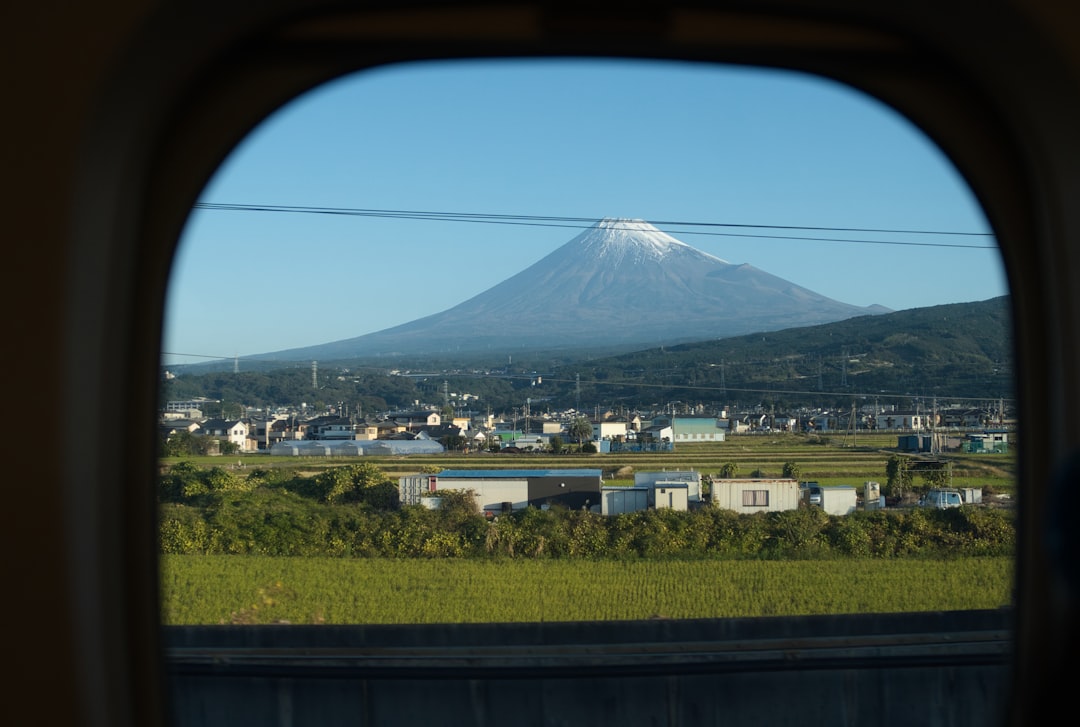
How Long Is the Bullet Train from Tokyo to Mt. Fuji?
The Tokyo to Mt. Fuji bullet train time is 42 minutes to Mishima on a Hikari, 49 to 53 minutes on a Kodama, and about 60 to 70 minutes to Shin-Fuji, the closest shinkansen station to the summit. There is no bullet train station at Mt. Fuji itself, so every route ends with a bus or a local train. Check the live Mt. Fuji visibility forecast before you commit to a departure time.
Here is the thing almost every guide to this route gets wrong: the bullet train is not the fastest way from Tokyo to Mt. Fuji, and for the destination most people actually mean, it is neither the quickest nor the cheapest option available.
That is not an argument against taking it. The shinkansen is the right choice for a specific set of trips, and this post lays out exactly which ones. But you need real numbers first, including the transfer time that competitor guides quietly leave out of their totals.
There Is No Bullet Train Station at Mt. Fuji
No shinkansen line goes to Mt. Fuji. The Tokaido Shinkansen runs along the coast well to the south of the mountain, and the Fuji Five Lakes region on the north side has no bullet train service at all.
That single fact reframes the whole question. When you search for a Tokyo to Mt. Fuji bullet train time, what you are really asking is: which shinkansen station gets me closest, and how long does the leftover journey take?
The Tokaido Shinkansen stations in play, in order from Tokyo, are Odawara, Atami, Mishima, and Shin-Fuji. Shizuoka comes next but is already past the mountain. Of these, Shin-Fuji sits closest to the summit at roughly 25 km (16 miles), with Mishima about 31 km away. Both are on the Shizuoka side, looking at Fuji's south face.
Nozomi trains, the fastest service on the line, stop at none of them. Kodama stops at all four. A small number of Hikari services call at Odawara, Atami, and Mishima, but Shin-Fuji is served by Kodama only, which is why its journey time is longer than the distance suggests.
Tokyo to Mt. Fuji Bullet Train Time by Station
The table below gives current journey times and ordinary-car fares from Tokyo Station, based on August 2026 timetable data from Ekitan. Fares combine the base fare and the limited express surcharge. Children pay roughly half.
| Station | Fastest | Typical Kodama | Unreserved | Reserved | Distance to summit |
|---|---|---|---|---|---|
| Odawara | 32 min | 35 min | ¥3,280 | ¥3,810 | ~40 km |
| Atami | 36 min | 41-48 min | ¥3,740 | ¥4,270 | ~43 km |
| Mishima | 42 min | 49-53 min | ¥4,070 | ¥4,600 | ~31 km |
| Shin-Fuji | 60 min | 60-70 min | ~¥5,490 | ~¥6,150 | ~25 km |
Two departures an hour serve Shin-Fuji through most of the day. Mishima gets considerably more, because it picks up the occasional Hikari on top of every Kodama.
Notice how the fare climbs faster than the clock. Riding one stop further, from Mishima to Shin-Fuji, costs about ¥1,400 more and buys you only 6 km of ground distance. That gap matters when you choose your transfer point.
The Numbers Nobody Adds Up: Door to Door to Kawaguchiko
For a trip from Tokyo to Kawaguchiko, the bullet train is the slowest and most expensive option, taking roughly three hours door to door for about ¥6,770 against two hours and ¥2,200 on a direct highway bus.
Most people searching for a Tokyo to Mt. Fuji bullet train time have Kawaguchiko in mind, because that is where the postcard views, the Chureito Pagoda, and the lakeside hotels are. So here is the full comparison, transfers included.
| Route | Riding time | Realistic door to door | Cost | Transfers |
|---|---|---|---|---|
| Shinkansen to Mishima + Fujikyu liner bus | 49 min + 1h28m | 2h45m to 3h30m | ¥6,770 | 1 |
| Fuji Excursion direct from Shinjuku | 1h55m | 1h55m | ¥4,130 | 0 |
| Highway bus from Shinjuku | ~2h | ~2h | ¥2,000-2,200 | 0 |
| JR Chuo Line to Otsuki + Fujikyu Railway | 70-100 min + 55 min | 2h30m to 3h | ¥2,580 | 1 |
The shinkansen route loses on every axis. The reason is the bus at the far end. The Mishima to Kawaguchiko limited express bus costs ¥2,700, takes about an hour and 28 minutes, requires a seat reservation, and runs roughly every two hours. Miss the connection and you are standing outside Mishima Station for 90 minutes with a very good view of a mountain you are not yet at.
Add that risk to a 49-minute train ride and the whole appeal of the bullet train evaporates. For Kawaguchiko specifically, take the direct bus or the Fuji Excursion instead. Our guide to getting to Kawaguchiko from Tokyo covers those options in full, including the departure times that decide whether you arrive before the summit clouds over. If you are squeezing the whole thing into a single day, the Mt. Fuji day trip planner builds an itinerary around those buses.
When the Bullet Train Is Genuinely the Right Call
The shinkansen wins whenever your destination is on Fuji's south side, when you hold a Japan Rail Pass, or when you are approaching from Kyoto or Osaka rather than Tokyo. Five scenarios where it is the correct choice:
You are going to Fujinomiya or the south face. From Shin-Fuji, buses reach Fujinomiya Station in 35 minutes for about ¥570, and Shiraito Falls in an hour for ¥1,220. No bus or limited express from Tokyo comes close to that on time.
You are climbing the Fujinomiya trail. During the 2026 season, which runs July 10 to September 10, climbing buses go from Shin-Fuji to the Fujinomiya 5th Station in about 1 hour 25 minutes for ¥2,740 one way or ¥4,000 return. Note the catch: Shin-Fuji departures run on weekends, national holidays, and August 13 to 16 only. On other days the bus starts from Fujinomiya Station instead. Our Mt. Fuji 5th Station guide compares all four trailheads.
You hold a Japan Rail Pass. The pass covers Kodama and Hikari, so the shinkansen leg is effectively free while the Shinjuku highway bus is not. That flips the arithmetic entirely. It does not cover the Fujikyu buses at the far end, and it does not cover the Fujikyu Railway to Kawaguchiko either, since that is a private line.
You are heading for Hakone or Gotemba. Odawara at 32 minutes is the standard gateway to Hakone, and the Mishima liner stops at Gotemba and Gotemba Premium Outlets en route. See our guide to Mt. Fuji from Hakone for the viewpoints there.
You are coming from the west. From Kyoto or Osaka the shinkansen is not one option among several, it is the option. We cover that direction separately in Mount Fuji from Osaka.
Shin-Fuji and the South Face: The Visibility Record Nobody Quotes
Shin-Fuji Station sits inside Fuji City, which has kept the longest continuous visibility record of the mountain that exists, and it shows the full cone is visible on only about 37% of mornings.
This is the part no transport guide mentions, and it should change how you plan. Since May 1990, Fuji City has logged the mountain three times a day, at 8:00, 12:00 and 16:00, from the eighth floor of city hall, recording each observation as fully visible, partially visible, or hidden. Shin-Fuji Station is a few kilometres from that observation point, which makes this record a near-perfect proxy for what you will see when you step off the train.
The 2025 figures at the 8:00 AM observation:
| Result | Days | Share of year |
|---|---|---|
| Fully visible | 136 | 37% |
| Partially visible | 95 | 26% |
| Hidden | 134 | 37% |
The partial column is the one that catches people out. On roughly a quarter of mornings the base of the mountain is clear while the summit stays capped, which reads as "visible" in a forecast and reads as a ruined photograph on your camera.
Seasonality is severe. Across the 33-year record from 1991 to 2023, the single best date is December 26 at 70.8% clear, while July 2 has never once been clear at the 8:00 AM observation in 33 years of records. If you are booking a shinkansen seat specifically to see the mountain, winter is a completely different proposition from midsummer. Our guide to Mt. Fuji in winter explains why the cold months are so much better.
One caveat: these are south-face observations. The Kawaguchiko side generates its own weather, and a clear Fuji City morning is a strong signal rather than a guarantee for the lakes. Our visibility scoring model weights cloud cover at several altitudes, humidity, and haze rather than relying on a single station, which is why the score sometimes disagrees with a plain cloud percentage.
Which Side of the Train to Sit On
Heading west from Tokyo, Fuji appears on the right-hand side of the carriage, roughly 40 to 45 minutes into the journey as you pass through the Mishima and Shin-Fuji stretch. Seats D and E in an ordinary car put you on that side. Coming back toward Tokyo, sit on the left.
That 40 to 45 minute figure is worth remembering, because a surprising number of pages online have mistaken it for the journey time to Shin-Fuji itself.
Three Claims About This Route That Are Wrong
Search results for this route are unusually polluted, and three errors show up repeatedly.
"The shinkansen reaches Shin-Fuji in 40 to 45 minutes." It does not. Shin-Fuji is Kodama-only and takes 60 to 70 minutes from Tokyo. The 40 to 45 minute number is when the mountain becomes visible from the window on a through journey to Kyoto, which is a different thing entirely.
"Take the shinkansen to Otsuki, then the local train to Kawaguchiko." There is no shinkansen to Otsuki. Otsuki is on the JR Chuo Line, an ordinary line served by limited express and rapid trains. The Chuo Shinkansen maglev is still under construction and will not stop there when it opens.
"The bullet train is the fastest way to Mt. Fuji." Only for the south side. For Kawaguchiko it is the slowest of the four main options once you count the transfer, as the table above shows.
Booking and Practical Notes
Reserved seats can be booked through JR Central's online service or at any ticket machine, but on this route reservations are rarely necessary. Kodama trains toward Shizuoka are quiet outside Golden Week, Obon, and New Year, and unreserved cars save you ¥530 to ¥660 depending on the station.
The connecting buses are the opposite. The Mishima to Kawaguchiko liner requires a reservation, and the seasonal climbing buses to the Fujinomiya 5th Station cannot be reserved at all, so you queue. Build slack into your plan on both counts.
If you are doing several legs on the Yamanashi side, price out the Mt. Fuji Pass before you buy individual tickets. It covers no JR line, so it does nothing for your shinkansen leg, but it swallows the buses and the ropeway once you arrive.
Frequently Asked Questions
Is there a bullet train from Tokyo to Mount Fuji?
No. No shinkansen station serves Mt. Fuji directly. The closest are Shin-Fuji at about 25 km from the summit and Mishima at about 31 km, both on the Tokaido Shinkansen and both on the mountain's south side. Every route finishes with a bus or a local train.
How long is the bullet train from Tokyo to Mount Fuji?
Tokyo to Mishima takes 42 minutes on a Hikari or 49 to 53 minutes on a Kodama. Tokyo to Shin-Fuji takes 60 to 70 minutes on a Kodama. Add 35 minutes to Fujinomiya or about 90 minutes to Kawaguchiko for the onward bus.
Can you see Mount Fuji from the bullet train?
Yes, on clear days, from the right-hand side heading west, about 40 to 45 minutes out of Tokyo. Fuji City records show the full cone visible on roughly 37% of mornings, so plan for a decent chance rather than a certainty, and check the current forecast before you travel.
Does the Japan Rail Pass cover the bullet train to Mount Fuji?
The pass covers Kodama and Hikari services to Odawara, Atami, Mishima, and Shin-Fuji. It does not cover Nozomi without a supplement, and it does not cover any of the Fujikyu buses or the Fujikyu Railway that complete the journey.
The Verdict
If your destination is Kawaguchiko, skip the bullet train. The direct highway bus from Shinjuku costs a third as much and arrives sooner, and the Fuji Excursion beats it too. Use the shinkansen when you are heading for Fujinomiya, Shiraito Falls, the Fujinomiya climbing trail, or Hakone, when you hold a rail pass, or when you are arriving from the west.
And whichever route you pick, decide the morning rather than the month in advance. The mountain is fully out on barely a third of days from the south side, and a ¥6,770 journey to a wall of cloud is a bad afternoon. Pull up the Mt. Fuji visibility forecast the night before and let the score choose your departure. We run the same model for Mount Rainier and Denali, two other mountains that hide far more often than the guidebooks admit.
Planning your Mt. Fuji trip?
Top-rated tours and transport from Tokyo to Fuji

Affiliate links: we may earn a commission at no extra cost to you.
More Articles
Kawaguchiko from Tokyo: Transport, Timing, and the View Most Visitors Miss
How to get to Kawaguchiko from Tokyo by bus, train, or car, plus the timing trick that decides whether you see Mt. Fuji.
Mt Fuji Day Trip from Tokyo: Complete Planning Guide
Plan the perfect Mt Fuji day trip from Tokyo with transportation options, best viewing spots, and timing tips to maximize your chances of seeing Japan's iconic mountain.
Mount Fuji from Osaka: Routes, Costs, and the Best Seat on the Shinkansen
See Mount Fuji from Osaka by shinkansen, day trip, or overnight bus. Routes, 2026 prices, and visibility tips.