Is Mt. Fuji Visible Today? How to Check Real-Time Conditions
Is Mt. Fuji visible today? Check real-time forecasts, live cameras, and visibility scores to plan your best Fuji viewing trip.

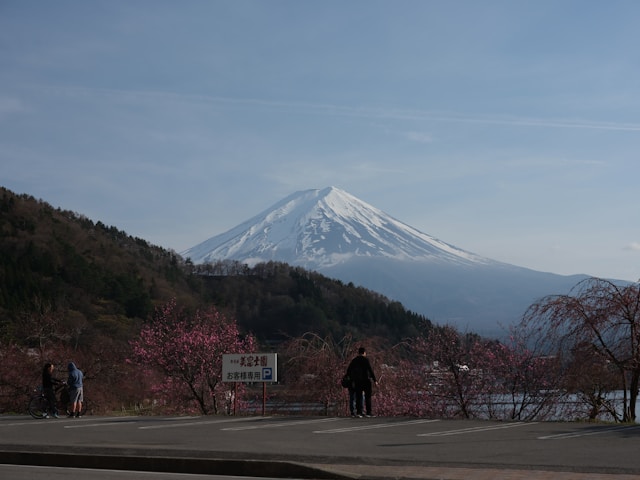
Is Mt. Fuji visible today?
Mt. Fuji visibility depends on cloud cover, humidity, and atmospheric conditions at both your viewing location and the mountain itself. On average, Fuji is visible only about one-third of the time, with winter months offering the best odds at 50-60% visibility rates, while summer drops below 25%. Check the live Mt. Fuji visibility forecast for current conditions.
Is Mt. Fuji visible today? That is the single most common question travelers in Japan ask, and the answer changes every hour. Fuji creates its own weather patterns. Clouds can wrap the summit while skies look clear at ground level, and humidity can erase the mountain from view even on a sunny afternoon. You cannot eyeball conditions from Tokyo and assume you will see it.
The good news: real-time forecasting tools now make it possible to check before you travel. Our Mt. Fuji visibility forecast scores current conditions from 0 to 100 and updates every 15 minutes, combining cloud cover, humidity, and precipitation data across multiple elevations. Pair that with 12 embedded live camera feeds and you get a complete picture of what is happening right now.
This guide explains how to read those forecasts, what drives Fuji's visibility, and how to plan a trip that gives you the best odds of a clear view.
Table of contents
- How to check if Fuji is visible right now
- What your visibility score means
- What affects Mt. Fuji visibility
- Visibility by season
- Best time of day to see Mt. Fuji
- Best locations for viewing
- Planning your Fuji viewing trip
- Frequently asked questions
How to check if Fuji is visible right now
The quickest way to know if Mt. Fuji is visible right now is to check the real-time visibility forecast. The forecast analyzes current weather data, including cloud cover at multiple altitudes, humidity levels, and precipitation probability, to calculate whether you can expect clear views.
Scores update every 15 minutes using data from professional weather services. The forecast accounts for conditions at your specific viewing location, not just general regional weather, which matters because Fuji can be hidden from one direction while perfectly visible from another.
For visual confirmation, the same page embeds 12 live webcam feeds from viewpoints around the mountain. A high forecast score plus a clear camera feed is the strongest signal you will get. If the score is high but cameras show haze, conditions may be marginal. If cameras show a crisp peak but the score is moderate, you are likely in a clearing window that could close.
Other useful sources: the official Yamanashi Prefecture webcams (FUJISANWATCHER) offer views from the north side, and the Japan Meteorological Agency provides raw weather data for the region. Our Mt. Fuji weather forecast guide explains how to interpret JMA data for visibility specifically.
What your visibility score means
Our scoring methodology produces a 0-100 visibility score based on a weighted atmospheric model. Here is how to use it:
| Score | Meaning | What to do |
|---|---|---|
| 80-100 | Excellent. Sharp, unobstructed views from all locations. | Go. This is as good as it gets. |
| 60-79 | Good. Fuji is clearly visible, possibly with minor haze at distance. | Worth the trip, especially from Kawaguchiko or Hakone. |
| 40-59 | Partial. The mountain may appear and disappear. Summit clouds or haze likely. | Visit if you are already nearby. Not worth a special trip from Tokyo. |
| 20-39 | Poor. Thick clouds or heavy haze. Brief glimpses possible but not reliable. | Stay local. Check again in a few hours. |
| 0-19 | Not visible. Rain, dense cloud cover, or extreme humidity. | Plan for indoor activities. Try again tomorrow morning. |
Based on historical patterns from our monitoring system, scores above 70 in the morning tend to hold through midday. Scores between 40 and 60 are volatile and can swing in either direction within an hour. If you see a morning score of 50+, check the cameras before committing to travel.
One pattern worth knowing: visibility often spikes the morning after a storm passes. Cold fronts flush humid air out of the Kanto Plain, and the first clear morning can produce scores above 90. Track the 10-day forecast during your trip and watch for these post-storm windows.
What affects Mt. Fuji visibility
Mt. Fuji is visible today only when conditions align across three atmospheric layers: the air at your viewing location, the atmosphere between you and the mountain, and the air around the peak itself. At 3,776 meters, Fuji is tall enough to generate its own weather.
Cloud cover at multiple levels
Clouds at ground level block the view entirely. But even on a clear day where you stand, orographic clouds frequently form around Fuji's summit. Moist air rising along the mountain's slopes cools at altitude, condensing into a cap cloud (called a "kasagumo" in Japanese) that clings to the peak while the rest of the sky is blue.
Mid-level clouds between 2,000 and 3,000 meters can partially obscure the mountain while leaving the summit poking through. These layered conditions create the classic scenes of Fuji's peak floating above a sea of clouds, visible from locations like Chureito Pagoda.
Humidity and atmospheric haze
High humidity creates haze that makes distant mountains disappear. Summer humidity in Japan often reduces horizontal visibility to under 10 kilometers, even without a single cloud in the sky. This is the primary reason viewing from Tokyo is so unreliable. At 100 km away, even moderate haze erases the mountain completely.
Winter air from Siberian high-pressure systems is dry. That dryness is why December and January deliver the crispest views, not just the absence of rain.
Wind direction
North and west winds push humid Pacific air away from the viewing corridors, creating clearer conditions. After cold fronts pass, visibility jumps. South and east winds bring moisture inland from the ocean, increasing haze and cloud formation around the peak.
The Japan Meteorological Agency publishes wind direction forecasts that experienced Fuji-watchers track closely. A shift to northwest wind after a rainy day is one of the strongest predictors of clear views the following morning.
Visibility by season
Historical data shows stark seasonal differences. Planning your trip during high-visibility months is the single biggest factor in your odds of seeing Fuji.
| Season | Months | Visibility Rate | Notes |
|---|---|---|---|
| Winter | Dec-Feb | 50-60% | Best odds. Dry air, snow-capped peak, longest clear windows. |
| Spring | Mar-May | 40-50% | Good odds. April brings cherry blossoms with Fuji views. |
| Autumn | Sep-Nov | 35-45% | Improving after summer. October and November are strong months. |
| Summer | Jun-Aug | 15-25% | Worst season. Rainy season (tsuyu) and persistent humidity. |
Winter consistently offers the highest chances. Cold, dry Siberian air pushes out humidity and clear skies dominate. December and January deliver the best odds, with Kawaguchiko reporting clear views on more than half of all days.
Summer is the hardest season. The rainy season runs from early June through mid-July, bringing weeks of persistent cloud cover. Even after tsuyu ends, high humidity and afternoon thunderstorms limit clear views through August. Our detailed visibility data shows July averaging below 20% across all viewpoints.
For a deeper month-by-month breakdown with specific percentages and planning advice, see our complete seasonal guide.
Best time of day to see Mt. Fuji
The best time of day to see Mt. Fuji is between sunrise and 9 AM. Visibility scores average 10-15 points higher during early morning hours compared to midday, regardless of season.
Why mornings win
Overnight cooling drops air temperature and humidity together. Less moisture in the air means less haze. Convective clouds (the ones caused by the sun heating the ground) have not yet formed. The mountain's summit is most likely to be clear at dawn.
For photographers, the pre-dawn and golden hour light on a clear morning is worth waking up for. The mountain glows pink, then orange, then white as the sun rises.
Midday deterioration
From 10 AM to 3 PM, the sun heats the ground and drives moist air upward. Clouds build around the summit. Haze thickens over the plains. If you arrived at Kawaguchiko to a perfect view at 7 AM, do not be surprised if Fuji vanishes by noon.
Late afternoon recovery
Conditions sometimes clear again after 4 PM as convective activity weakens. This window is less reliable than morning, but it can produce dramatic views of Fuji silhouetted against sunset colors. Winter evenings are the most likely to deliver a late-day clear window.
Best locations for viewing
Where you stand changes your odds significantly. Distance from Fuji is the strongest factor.
Kawaguchiko and the Fuji Five Lakes
The closest and most reliable viewpoint. At roughly 25 km from the summit, only summit-level clouds can block your view. Kawaguchiko is the most accessible of the five lakes, with direct bus service from Shinjuku. The lakeside promenade offers reflections of Fuji across the water on calm mornings.
For the iconic Chureito Pagoda shot, arrive before 7 AM during cherry blossom or autumn foliage season. The pagoda grounds are a 15-minute climb from Shimoyoshida Station.
Tokyo
Viewing Fuji from Tokyo works only under exceptional conditions. The 100 km distance means atmospheric haze must be minimal. Best spots: Shibuya Sky, Tokyo Tower, and Tokyo Skytree. Realistically, clear Tokyo views happen on roughly 80 days per year, almost all in winter. Treat a Tokyo sighting as a lucky bonus, not something to plan around.
Hakone
Located 25 km from Fuji on the southeast side, Hakone provides good odds with the bonus of hot springs and Lake Ashi cruises. The Owakudani volcanic valley is a popular vantage point. Hakone sometimes stays clear when the north side at Kawaguchiko is clouded.
From the Shinkansen
The Tokaido Shinkansen between Tokyo and Osaka passes within 10-15 km of Fuji near Shin-Fuji station. Sit on the right side (seats D and E) heading west from Tokyo. The best window is between Odawara and Shizuoka stations. On a clear day, the mountain fills the window for roughly 10 minutes. This is one of the most accessible Fuji views for travelers heading to Osaka or Kyoto.
Planning your Fuji viewing trip
Build in multiple days
Plan 2-3 days in your itinerary for Fuji viewing if possible. Weather changes rapidly. A clouded morning may clear by evening. A rainy day often precedes the clearest morning of the week. Single-day trips from Tokyo carry real risk of disappointment.
If you have a flexible day trip available, check the forecast the night before. A morning score above 70 means go.
Stay near the mountain
Staying in Kawaguchiko or Hakone lets you check conditions at any hour. Many ryokans offer Fuji-view rooms. Set an alarm for sunrise, check the view, and decide your day from there. This approach is more reliable than committing to a fixed itinerary weeks in advance.
Use the forecast as a decision tool
Our 10-day visibility forecast helps you identify the best window during your trip. Do not fixate on a single date. Instead, keep 2-3 days flexible and commit to whichever morning scores highest. If you are planning further ahead, the 14-day extended forecast explains how accuracy changes as the forecast extends.
Frequently asked questions
Can I see Mt. Fuji from Tokyo today?
Tokyo sits roughly 100 km from Mt. Fuji, and atmospheric haze blocks the view more often than not. Winter mornings after cold fronts offer the best chances. Check our real-time forecast for current conditions. Scores above 80 suggest the atmosphere is clear enough for potential Tokyo views, but even then, local pollution can interfere. For reliable Fuji views, travel to Kawaguchiko or Hakone.
How often is Mt. Fuji actually visible?
On average, Mt. Fuji is visible on roughly 120 days per year from Kawaguchiko. Winter months see visibility on 50-60% of days. Summer drops to 15-25%. Your actual chances depend on season, time of day, and viewing location. From Tokyo, the odds are much lower, around 22% of days annually.
Why is Mt. Fuji not visible even on a sunny day?
Fuji generates its own cloud systems. Moist air rising along the mountain's slopes condenses at altitude, forming a summit cap cloud even when the sky is clear everywhere else. Humidity also creates invisible haze that makes distant objects disappear. You might have blue sky directly overhead and still not see a mountain 100 km away.
Is there a best day of the week to see Mt. Fuji?
No. Visibility depends entirely on weather, not the calendar. However, weekends at popular viewpoints like Chureito Pagoda are significantly more crowded. If you are flexible, a clear weekday morning is ideal. Monitor the forecast daily and go when conditions align.
The most reliable approach to seeing Mt. Fuji is simple: check if Fuji is visible every morning during your trip, keep one or two days flexible, and head to Kawaguchiko or Hakone when the score climbs above 70. The mountain rewards patience.
Planning your Mt. Fuji trip?
Top-rated tours and transport from Tokyo to Fuji
Affiliate links: we may earn a commission at no extra cost to you.
More Articles
Mount Fuji Visibility: Complete Guide to Clear Views by Season, Time, and Location
Mount fuji visibility depends on season, time of day, and humidity. This guide covers monthly statistics, best viewing spots, and how to check real-time conditions.
Best Time to See Mt. Fuji: A Complete Visibility Guide
Planning to see Mt. Fuji? Learn the best months, times of day, and weather conditions for clear views of Japan's iconic mountain.
Can You See Mt. Fuji from Tokyo? Honest Guide with Real Visibility Data
Find out if you can really see Mt. Fuji from Tokyo. Get real visibility statistics, best observation decks, and when conditions actually work.