Mt Rainier Sunset: Best Spots, Alpenglow, and Timing Guide
Where and when to catch a Mt Rainier sunset, from in-park alpenglow at Reflection Lakes to the mountain silhouette from Seattle.
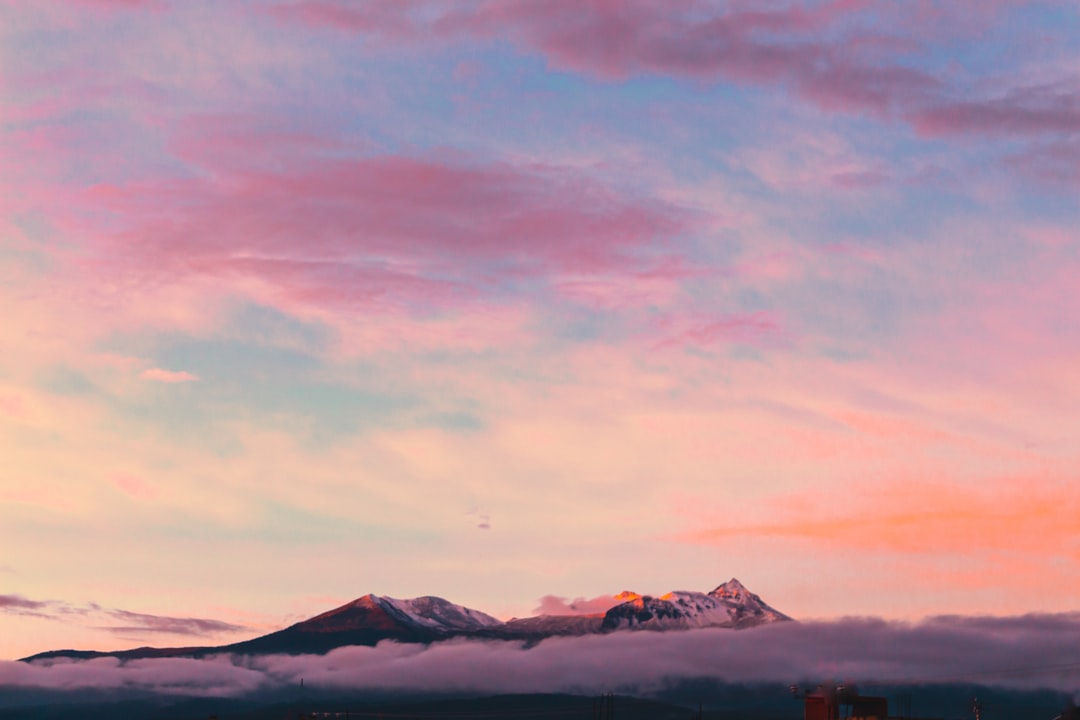
A great Mt Rainier sunset is really two different experiences, and most guides only tell you about one of them. Stand inside the national park and the setting sun lights the mountain's glaciers directly, then lingers as pink alpenglow after the sun is gone. Stand in Seattle sixty miles away and the same sunset turns Rainier into a dark blue silhouette against a burning sky. Both are worth chasing. Neither happens on demand.
The difference between a forgettable evening and a legendary one comes down to three things: where you stand relative to the sun, whether the mountain is actually "out" that night, and whether you stay long enough to catch the afterglow. This guide covers all three, plus the specific viewpoints, seasonal timing, and the atmospheric science behind why Rainier glows.
Mt Rainier Sunset Times by Month
Sunset in the Mount Rainier region shifts by nearly five hours across the year, from around 4:20 PM in late December to past 9:00 PM near the summer solstice. You can confirm the exact time for any date on timeanddate.com's sunrise and sunset tables. The table below shows approximate times for the park and the greater Seattle area, which sit close enough that the difference is only a minute or two.
| Month | Sunset (approx.) | Golden Hour Starts | Notes |
|---|---|---|---|
| January | 4:45 PM | 4:10 PM | Crisp air, early color |
| February | 5:30 PM | 4:55 PM | Best clarity of winter |
| March | 7:15 PM | 6:40 PM | Clocks jump forward mid-month |
| April | 8:00 PM | 7:25 PM | Snow still deep at Paradise |
| May | 8:35 PM | 8:00 PM | Longer light, variable skies |
| June | 9:10 PM | 8:30 PM | Latest sunsets of the year |
| July | 9:00 PM | 8:20 PM | Prime season, low rain odds |
| August | 8:20 PM | 7:45 PM | Warm nights, watch for smoke |
| September | 7:25 PM | 6:50 PM | Excellent clarity returns |
| October | 6:25 PM | 5:55 PM | Fresh summit snow, autumn color |
| November | 4:45 PM | 4:15 PM | Clocks fall back early month |
| December | 4:20 PM | 3:50 PM | Earliest, coldest, clearest |
For sunset photography, the golden hour runs roughly 30 to 40 minutes before the sun touches the horizon. Arrive at your viewpoint at least 45 minutes early to find parking and settle in, and plan to stay 20 to 30 minutes after the sun drops. That afterglow window is when Rainier does its best work.
The Two Kinds of Mt Rainier Sunset
The single most important decision is which side of the mountain you watch from, because it determines whether you see color on Rainier or Rainier as a silhouette. This is a directional problem, and it trips up almost everyone the first time.
Mount Rainier sits south-southeast of Seattle. The sun sets in the west (northwest in summer, southwest in winter). So the geometry works out very differently depending on where you plant your tripod.
Inside the park, you are close to the mountain and the setting sun is off to your side or behind you. The low western light strikes Rainier's glaciers and snowfields directly, painting them gold, then orange, then the deep pink of alpenglow. This is the version people mean when they talk about the mountain "catching fire." Reflection Lakes, Paradise, and Sunrise all deliver this.
From Seattle and Puget Sound, you look south-southeast toward Rainier while the sun sinks behind you and to the right. On a clear evening the mountain still catches warm light on its right flank, but as the sun drops it becomes a layered blue silhouette rising above the city and the water. This is the classic postcard: the Seattle skyline, Elliott Bay, and a shadowed Rainier stacked behind a glowing sky.
Neither is better. They are simply different photographs. If you want the mountain itself to glow, get inside the park. If you want the iconic skyline-and-mountain composition, stay in the city and shoot the view of Rainier from Seattle.
Alpenglow: When Mount Rainier Turns Pink
Alpenglow is the pink and orange glow that lingers on Mount Rainier's snow after the sun has already dipped below the horizon. It is the Pacific Northwest's answer to Mount Fuji's Aka Fuji, or Red Fuji, and it is the reason experienced photographers refuse to pack up when the sun disappears.
Here is the science. When the sun sits low on or just below the horizon, its light travels a long, shallow path through the atmosphere. That long journey scatters away the short blue wavelengths and leaves mostly red, orange, and pink light. Rainier's height works in your favor: at 14,411 feet, the summit still receives direct sunlight for several minutes after the valleys around it have fallen into shadow. The mountain's clean white snow acts as a near-perfect reflector, bouncing that warm, filtered light straight back to your eye. The result is a peak that appears to glow from within, a phenomenon detailed on the Wikipedia entry for alpenglow.
True alpenglow, in the strictest sense, happens after sunset, when the direct sun is gone and only atmospheric scattering lights the peak. This is the crucial timing tip that most sunset guides bury or skip entirely. The richest pinks and magentas often arrive 10 to 25 minutes after the sun has technically set. If you leave when the sun hits the horizon, you miss the best part.
Two conditions make or break alpenglow: a clear western sky and clean air. Even a low bank of clouds on the horizon can block the last light before it reaches the peak, cutting the glow short. Wildfire smoke, common in August and September, is a double-edged sword. Heavy smoke hides the mountain entirely, but a thin, high layer can actually deepen the reds. It is a gamble either way.
Best Mt Rainier Sunset Spots Inside the Park
Reflection Lakes
Reflection Lakes is the most famous sunset location in the park, and for good reason. The small lakes sit at about 4,860 feet along Stevens Canyon Road, just east of Paradise, with Rainier rising to the north. On a windless evening the water turns to glass and doubles the mountain, so a single alpenglow moment becomes two. Arrive early in summer, because the modest roadside pullouts fill fast. This is one of the best spots near Paradise and an easy add-on to a day spent in the wildflower meadows.
Tipsoo Lake
Tipsoo Lake sits at roughly 5,300 feet near Chinook Pass on the park's eastern edge, off Highway 410. Rainier stands to the west here, which changes the experience: the sun sets closer to behind the mountain, giving you dramatic backlighting and silhouette compositions rather than direct alpenglow on the peak. The subalpine meadows around the lake explode with wildflowers in late July and August. Note that Highway 410 and the Chinook Pass access typically close for winter, usually from November into late spring.
Sunrise
Despite the name, the Sunrise area at 6,400 feet is a superb sunset destination. It is the highest point in the park reachable by car, sitting on Rainier's northeast shoulder with sweeping western views. The high elevation means the alpenglow show runs long, and nearby short hikes to the Fremont Lookout or along Sourdough Ridge open up unobstructed horizons. The Sunrise road usually opens in late June or early July and closes with the first heavy snow, so it is a summer-and-early-fall option only.
Paradise and Pinnacle Peak
Paradise, at 5,400 feet, is the park's most visited area and stays accessible year-round. The meadows and the trails above the visitor center give you elevated, open views for both the direct sunset and the afterglow. For a slightly wilder vantage, the Pinnacle Peak Trail across from Reflection Lakes climbs to a saddle with an unobstructed westward exposure, ideal for catching the sun as it drops. Winter visitors should check current Mt Rainier weather and road status before committing to an evening at elevation.
Best Mt Rainier Sunset Views from Seattle and Puget Sound
You do not have to drive two hours into the park to enjoy a Mt Rainier sunset. On clear evenings, the mountain looms over the Seattle skyline, and several city viewpoints turn that into a photograph worth framing. The catch is that Rainier is only visible from the city 20 to 30 percent of the time, so timing matters more here than location. Check whether the mountain is out before you head out.
Kerry Park
Kerry Park on Queen Anne Hill is the most iconic Seattle viewpoint, framing the Space Needle, downtown, Elliott Bay, and Rainier in a single composition. At sunset the sky behind the mountain glows while the city lights flicker on, giving you the postcard shot. It gets genuinely crowded on any clear summer evening, so arrive early to claim a spot along the railing.
Alki Beach and Puget Sound
Alki Beach in West Seattle puts water in the foreground, with Rainier and the downtown skyline across the sound. The waterside angle is quieter than Kerry Park and works beautifully in the golden hour. Other strong Puget Sound options include Gas Works Park, Jarrell Cove, and the ferry crossings, all of which give you the mountain rising behind open water.
When to Go from the City
Summer offers the most frequent clear views, but the crispest, most dramatic Rainier silhouettes often come on cold, clear evenings after a fall or winter storm system scrubs the air. The mountain reads as a sharper, whiter, more commanding presence in that post-storm clarity. The tradeoff is that clear winter evenings are rarer and the sunset comes early, around 4:20 to 4:45 PM.
How to Predict a Good Mt Rainier Sunset
The hardest part of a Mt Rainier sunset is not finding the viewpoint. It is knowing whether the mountain will even be visible when you get there. This is the gap almost every photography guide ignores, and it is where a little forecasting saves you a wasted evening.
Start by checking the live Mt Rainier visibility forecast. It combines cloud cover, humidity, atmospheric visibility distance, and precipitation into a single visibility score that updates every 15 minutes and extends 10 days out. The score is built from a weighted atmospheric model rather than a raw weather feed, so it tells you specifically whether the mountain will be viewable, not just whether it will rain.
For a strong sunset, look for a late-afternoon visibility score above 70, low humidity, and a western sky that is clear rather than clouded on the horizon. A high score paired with a clear west is the recipe for alpenglow. A high score with a cloud bank low in the west can still deliver a decent sunset, but the direct glow on the peak may get cut off. When the score sits below 40, the mountain will almost certainly be hidden, and you are better off waiting for another evening.
Cross-reference the forecast with a live Mt Rainier webcam an hour before you leave. A forecast predicts conditions; a webcam shows you reality. This two-step check, forecast plus camera, is the single most useful habit for anyone chasing sunsets on a fickle mountain.
Photographing Mt Rainier at Sunset
The technical challenge at sunset is dynamic range. The sky is bright, the mountain is comparatively dark, and the gap between them widens as the sun drops. A few adjustments handle it.
Bring a sturdy tripod. As the light fades your shutter speeds lengthen, and handheld shots turn soft. Start around ISO 100 to 400, f/8 to f/11 for edge-to-edge sharpness, and adjust shutter speed to expose for the highlights in the sky. A polarizing filter cuts glare off snow and deepens the blue, while a graduated neutral density filter balances a bright sky against a darker foreground, especially useful for reflection shots at the lakes.
For in-park alpenglow, meter for the pink light on the peak and let the foreground go dark if you must. For Seattle-side silhouettes, do the opposite: expose for the sky and let Rainier fall into shadow, which is exactly the look you want. Bracket your exposures in the final ten minutes, because the light changes fast.
The tip worth repeating: stay after the sun sets. The afterglow phase, when alpenglow peaks and the sky shifts through magenta and violet, routinely produces the strongest frame of the evening. Photographers who leave at sunset are packing up right before the best light. For a deeper dive into gear and composition that carries over to any mountain, our Mt Fuji photography guide covers the same principles applied across the Pacific.
Best Seasons for a Mt Rainier Sunset
Summer (July to August) is the most reliable season. Precipitation drops to a couple of inches for the whole stretch, all park roads including Sunrise and Chinook Pass are open, and wildflowers fill the meadows. The tradeoff is late sunsets past 8:20 PM, big crowds at Reflection Lakes and Kerry Park, and the growing risk of wildfire smoke as the season wears on. For a full month-by-month breakdown, see our guide to the best time to see Mt Rainier.
Early autumn (September to mid-October) may be the connoisseur's choice. Visibility rebounds as summer humidity and smoke clear out, the first snowfall dusts the summit for extra alpenglow contrast, and the subalpine meadows turn red and gold. Sunsets fall at a comfortable 6:25 to 7:25 PM, and the crowds thin after Labor Day.
Winter (November to February) trades access for clarity. High elevation roads close, but the air is at its cleanest, and post-storm evenings deliver the sharpest silhouettes of the year from Seattle and Puget Sound. Sunsets come early and cold. Paradise stays open for those willing to bundle up.
Spring (March to May) is the least predictable. Lingering snow keeps the high roads closed into summer, and increasing humidity softens the light. Clear spring evenings do happen, and the combination of deep snow on the peak with lengthening days can be lovely, but the odds are lower than in autumn.
Frequently Asked Questions
What time is sunset at Mount Rainier?
Sunset ranges from about 4:20 PM in late December to roughly 9:10 PM near the June solstice. In peak summer season, expect sunset around 8:20 to 9:00 PM. Golden hour begins 30 to 40 minutes earlier, and alpenglow on the peak can continue 20 to 30 minutes after the sun officially sets.
Where is the best place to watch a Mt Rainier sunset?
For alpenglow directly on the mountain, Reflection Lakes and the Sunrise area are the top choices inside the park. For the classic skyline-and-mountain silhouette, Kerry Park in Seattle is the most iconic. The right pick depends on whether you want color on the peak or the mountain as a backdrop.
Does Mount Rainier get alpenglow?
Yes. On clear evenings, Rainier's snow and glaciers glow pink and orange as the low sun filters out blue wavelengths, and the effect often intensifies just after sunset. Clear western skies and clean air are essential; low clouds or heavy smoke on the horizon can cut the glow short.
Can you see Mount Rainier at sunset from Seattle?
On clear evenings, yes. The mountain rises south-southeast of the city and becomes a striking silhouette against the sunset sky. Because Rainier is only visible from Seattle 20 to 30 percent of the time, check the visibility forecast before heading to a viewpoint like Kerry Park or Alki Beach.
Before You Head Out
A Mt Rainier sunset rewards planning more than luck. Pick your side of the mountain based on the photograph you want, arrive early, and stay past the moment the sun disappears so the alpenglow has time to bloom. Above all, confirm the mountain is actually out before you commit the evening.
Check the live Mt Rainier visibility forecast for a real-time score and a 10-day outlook, and glance at a webcam an hour before you leave. If you are chasing sunsets on the other side of the Pacific too, the same approach works for Mt Fuji and Denali.
More Articles
Northern Lights Tour: How to Choose One (and When to Skip It)
A northern lights tour can only fix two of the four things that decide whether you see aurora. Here is how to choose one, and when to skip it.
Northern Lights Alaska Tours: Which Base and Tour to Book
Northern lights Alaska tours compared: Fairbanks, Arctic Circle and Anchorage trips, 2026-27 prices, refund rules and 10 winters of clear-night odds.
Paradise Mt Rainier: The Complete Visitor Guide for Every Season
Plan your trip to Paradise at Mt Rainier with trail details, parking tips, wildflower timing, and visibility forecasts.